

Creating a Peaceful Sanctuary with a Sound Deadening Fence
Noise pollution can significantly diminish the quality of life, whether it is the roar of highway traffic, the hum of industrial machinery, or the commotion of neighboring properties. Investing in a sound deadening fence is one of the most effective ways to reclaim your peace and quiet. Unlike standard privacy fences, these specialized barriers are engineered to absorb, deflect, and block sound waves. In this comprehensive guide, we will explore how these systems work, the materials that offer the best acoustic performance, and how to choose the right solution for your specific environment to ensure long-term tranquility.
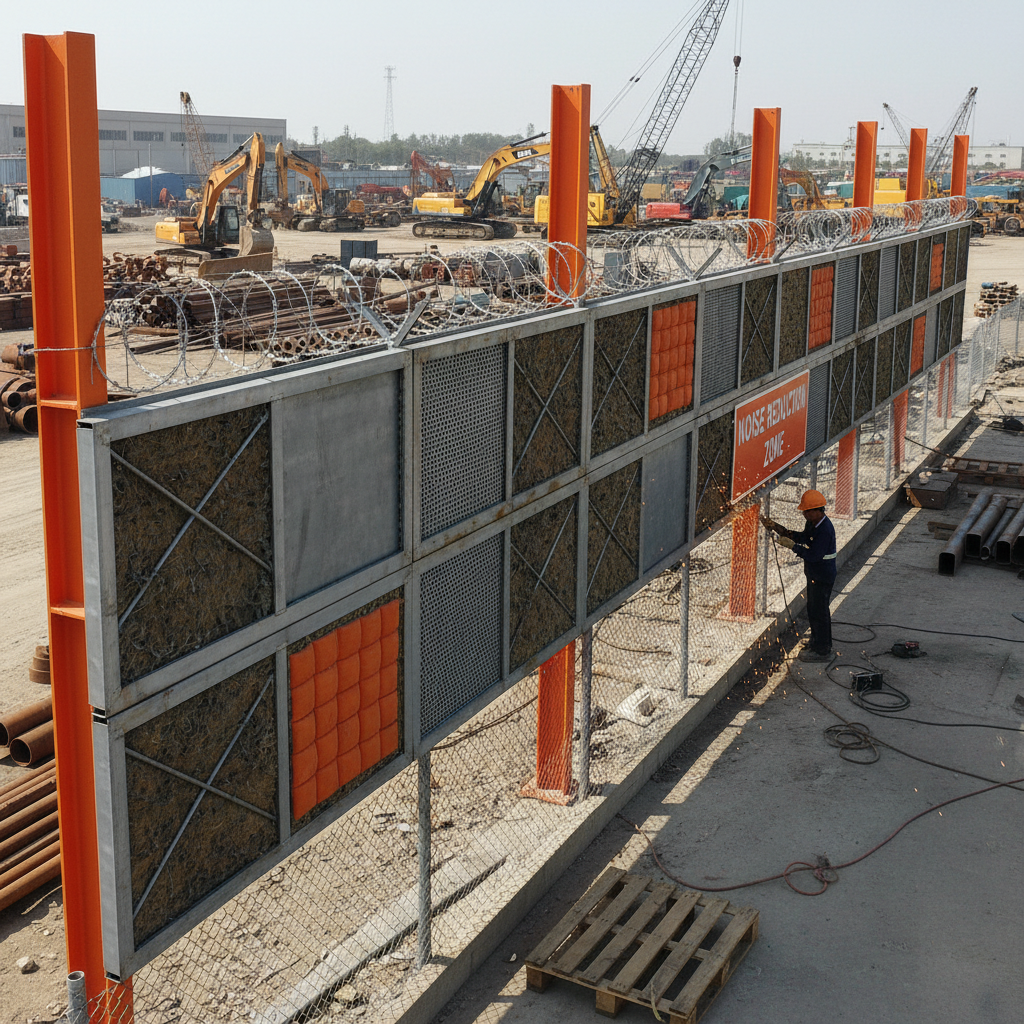
How a Sound Deadening Fence Actually Works
To understand the efficacy of a sound deadening fence, it is important to understand the physics of sound. Noise travels in waves; when these waves hit a hard, flat surface, they typically bounce back (reflection). However, a professional sound barrier utilizes a combination of mass, density, and absorption. By using heavy materials to block the path of the sound and porous materials to "trap" the noise, the fence prevents sound from leaking through or echoing back into the yard. This process effectively lowers the decibel levels on the protected side of the barrier, creating a noticeably quieter atmosphere.
Pro Tip: For maximum effectiveness, a sound fence must be airtight. Even a small gap at the bottom or between panels can act as a "sound leak," allowing a surprising amount of noise to penetrate the barrier.
Comparing Materials for Your Sound Deadening Fence
Not all fencing materials are created equal when it comes to acoustics. While a standard wood fence provides privacy, it often lacks the mass required for significant noise reduction. Specialized options, such as composite materials, mass-loaded vinyl (MLV), or reinforced concrete, provide the density needed to stop low-frequency sounds. When selecting your sound deadening fence, you must balance the acoustic performance with the aesthetic appeal and weather resistance of the material.
Design Strategies for Effective Sound Barriers
Installing a sound deadening fence is not just about the material, but also the strategic placement. To block sound effectively, the fence must be placed as close to the noise source as possible. If the noise is coming from a highway, placing the fence at the edge of your property line is better than placing it near your house. Additionally, increasing the height of the fence creates a larger "sound shadow," which protects a larger area of your yard from direct noise paths. Combining the fence with soft landscaping, such as hedges or shrubs, can further enhance the absorption of high-frequency noises.
Technical Specifications for Industrial Noise Control
For commercial or industrial applications, the requirements for a sound deadening fence are much more stringent. Industrial noise often involves low-frequency vibrations that can travel through the ground. In these cases, a "floating" barrier or a fence with deep concrete footings is required to prevent sound flanking. The use of Sound Transmission Class (STC) ratings helps engineers determine the exact material thickness needed to meet local noise ordinances and safety regulations.
Maintenance and Long-term Care of Acoustic Fencing
To maintain the performance of your sound deadening fence, regular maintenance is essential. Over time, settling of the ground can create gaps at the bottom of the fence, which immediately compromise its ability to block noise. Periodically checking the structural integrity of the posts and ensuring that the seals between panels remain airtight will keep the fence operating at peak efficiency. For materials like wood or composite, a fresh coat of protective sealant every few years prevents moisture from degrading the internal density of the acoustic core.
Environmental Impact and Aesthetic Integration
One common concern with high-mass sound barriers is that they can look industrial or imposing. Modern sound deadening fence solutions now offer "green wall" integrations, where acoustic panels are covered with living vegetation. This not only improves the visual appeal but also adds an extra layer of natural sound absorption. By selecting colors that blend with the natural landscape—such as slate grey, deep forest green, or natural wood tones—you can achieve a professional level of noise control without sacrificing the beauty of your outdoor living space.
Conclusion: Reclaiming Your Peace of Mind
A sound deadening fence is more than just a boundary; it is an investment in your mental well-being and property value. By understanding the relationship between mass, absorption, and placement, you can effectively eliminate disruptive noise and create a serene environment. Whether you choose a heavy masonry wall for industrial protection or a sophisticated composite system for your home, the result is a peaceful sanctuary where you can truly relax. Don't let noise pollution dictate your quality of life—choose a professional sound barrier today.
Frequently Asked Questions (FAQs)
Can a sound deadening fence completely block all noise?
While no fence can block 100% of all sound (as some noise travels through the air above the fence or through the ground), a high-quality sound deadening fence can significantly reduce decibel levels. Depending on the material and height, you can expect a reduction of 10 to 30 decibels. To maximize the effect, it is recommended to combine the fence with other sound-absorbing elements like thick vegetation, strategic landscaping, and ensuring there are no gaps in the structure.
How high does a sound fence need to be to be effective?
The height of the fence is critical because sound waves can "diffract" or bend over the top of a barrier. Generally, a fence must be tall enough to break the line of sight between the noise source and the listener. For residential use, a height of 6 to 8 feet is common. For industrial noise, barriers often reach 10 to 12 feet or more. The taller the fence, the larger the "acoustic shadow" it creates, leading to a more noticeable reduction in noise levels.
Is a sound deadening fence more expensive than a regular fence?
Yes, typically a sound deadening fence is more expensive than a standard privacy fence. This is because the materials required—such as mass-loaded vinyl, high-density composites, or reinforced concrete—are more costly than basic lumber or chain-link. Additionally, the installation often requires deeper footings to support the extra weight of the acoustic materials. However, this investment often leads to an increase in property value and a significant improvement in the quality of life.
What is the difference between sound absorption and sound blocking?
Sound blocking (insulation) refers to using heavy, dense materials to stop sound waves from passing through a barrier. Sound absorption refers to using porous materials that "soak up" the sound to prevent it from echoing or bouncing back. An effective sound deadening fence usually combines both: a dense core to block the noise from the street and an absorbent surface to stop the noise from echoing within your own yard.
-
Ultimate Guide to Choosing the Right Sound Proof Barrier
NewsApr.16,2026
-
Effective Guide to Installing a Sound Deadening Fence for Peace
NewsApr.09,2026
-
Comprehensive Guide to Portable Sound Barrier Solutions for Noise Control
NewsApr.07,2026
-
Effective Outdoor Acoustic Barriers for Noise Reduction and Enhanced Wellbeing
NewsApr.04,2026
-
Effective Noise Cancelling Fence Solutions for Peaceful Living
NewsMar.31,2026
-
Enhancing Workplace Productivity with Effective Cubicle Sound Barriers
NewsMar.28,2026
Subscribe now!
Stay up to date with the latest on Fry Steeland industry news.