

Outdoor Soundproofing Fence: A Comprehensive Guide
In today's increasingly noisy world, finding peace and quiet can be a challenge, especially in urban and suburban environments. An outdoor soundproofing fence offers a practical and effective solution for reducing unwanted noise pollution. This article will explore the benefits of soundproof fencing, the materials used, installation considerations, and factors to consider when choosing the right fence for your needs. We’ll delve into how these fences improve quality of life and address common noise concerns.
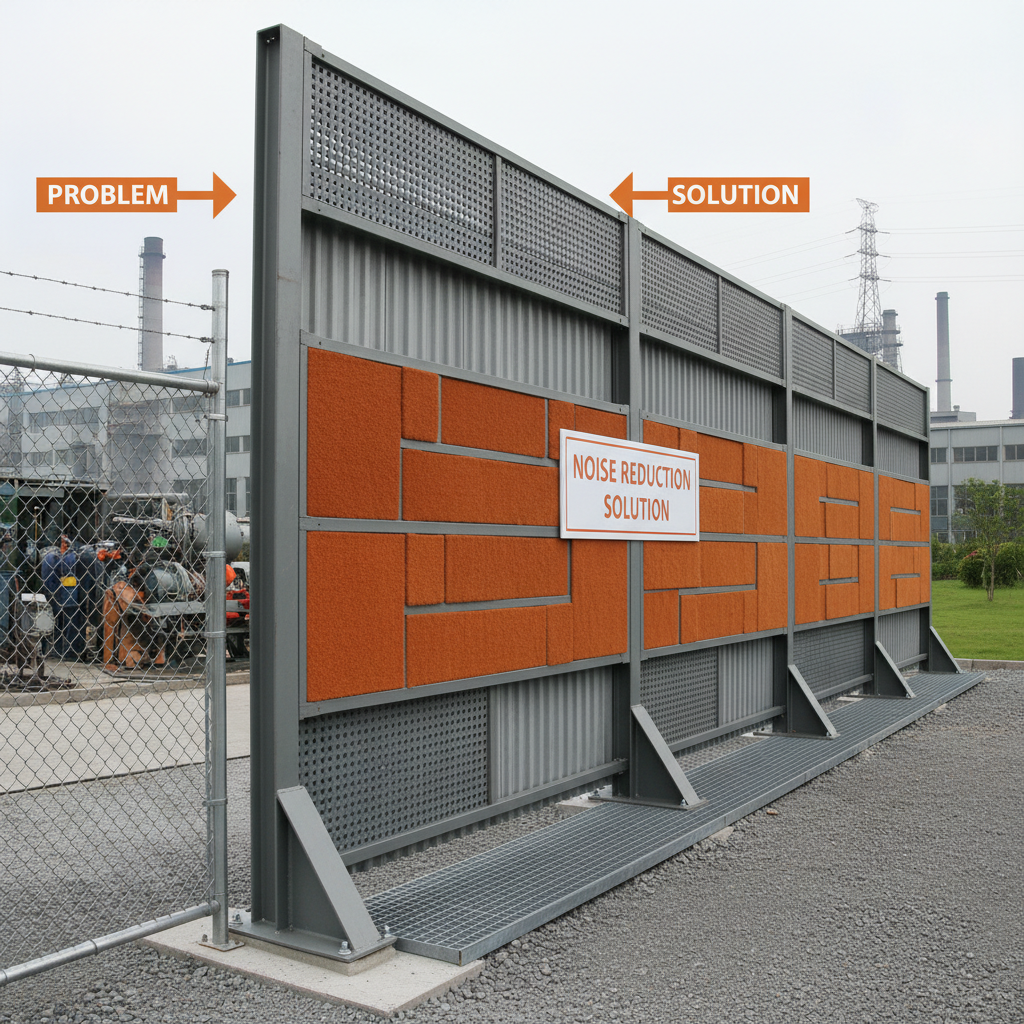
Why Choose an Outdoor Soundproofing Fence?
The primary benefit of a soundproofing fence is, naturally, noise reduction. But the advantages extend beyond simply a quieter environment. These fences can improve your privacy by creating a visual barrier, increase your property value, and offer an aesthetic upgrade to your outdoor space. They're particularly useful for properties bordering busy roads, airports, railways, or noisy commercial areas. Investing in a soundproof fence is an investment in your well-being and peace of mind. Properly installed, these fences can significantly reduce stress and enhance your ability to enjoy your outdoor spaces.
Key Benefits: Improved privacy, increased property value, reduced stress levels, enhanced outdoor enjoyment, effective noise barrier.
Materials Used in Soundproofing Fences
Several materials are effective for soundproofing fences. The most common include: Mass Loaded Vinyl (MLV), a dense, flexible material that blocks sound waves; Acoustic Fencing Panels, specifically engineered to absorb and reflect sound; and Wood Fencing with Sound Dampening Materials, where wood is combined with MLV or other sound-absorbing layers. Each material has its pros and cons regarding cost, durability, and effectiveness.
Material Comparison:
• MLV: Excellent sound blocking, but can be expensive and requires support structure.
• Acoustic Panels: Good sound absorption, relatively easy to install, moderate cost.
• Wood + Dampening: Aesthetically pleasing, can be cost-effective, moderate sound reduction.
Understanding Sound Transmission Loss (STL) and Outdoor Soundproofing Fence Effectiveness
When evaluating a soundproofing fence, it's crucial to understand Sound Transmission Loss (STL). STL measures how effectively a material blocks sound energy, expressed in decibels (dB). Higher STL values indicate better soundproofing performance. Different fencing materials offer varying STL ratings. A typical wood fence might have an STL of 25-30 dB, while a fence incorporating MLV could achieve an STL of 35-45 dB or higher. The effectiveness also depends on the fence’s height, mass, and any gaps or openings.
Installation Considerations for Optimal Soundproofing
Proper installation is as important as choosing the right materials. To maximize soundproofing effectiveness: ensure the fence is tightly sealed, minimizing gaps at the base and between panels; consider overlapping panels to create a continuous barrier; and address any flanking paths – areas where sound can bypass the fence (e.g., through gates or openings). Professional installation is often recommended to ensure a secure and effective result. ZTWiremesh offers professional consultation and installation services.
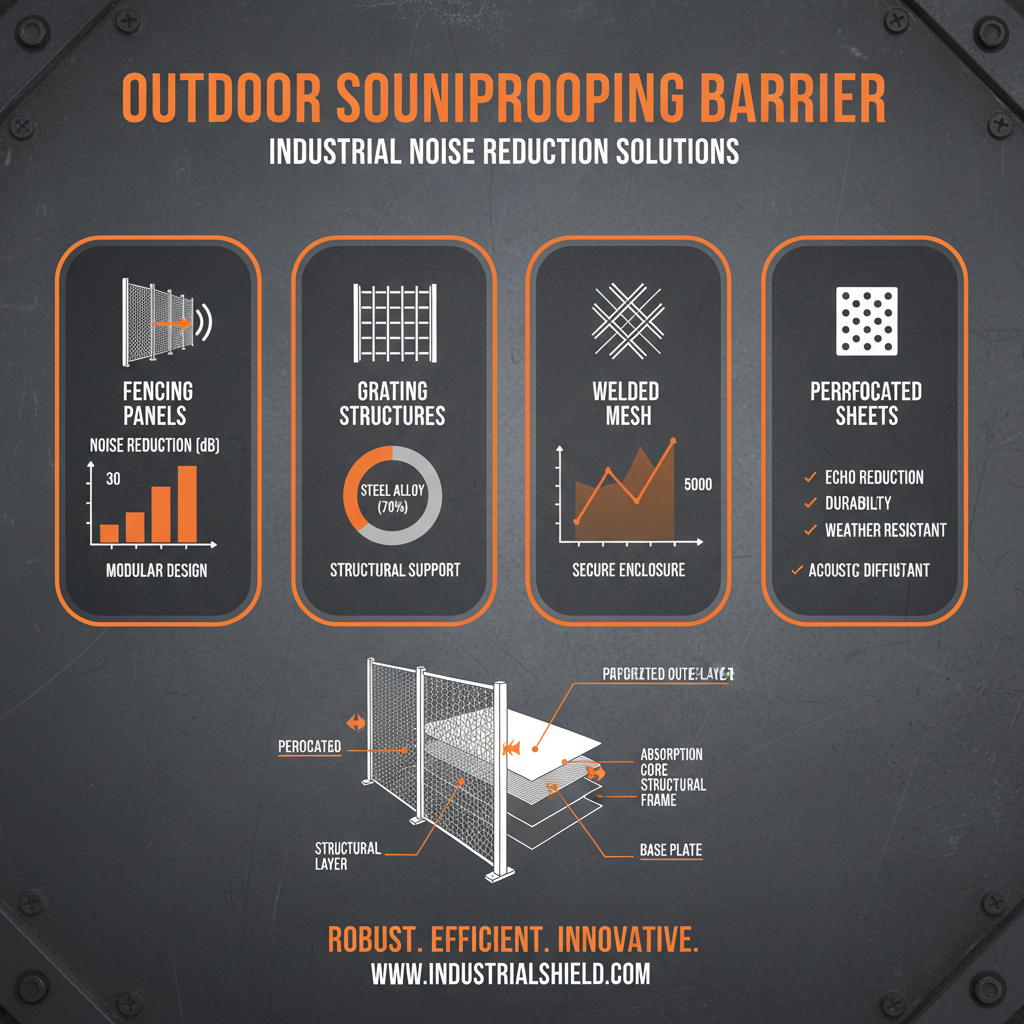
Choosing the Right Outdoor Soundproofing Fence for Your Needs
The ideal soundproofing fence depends on your specific needs and budget. Consider the level of noise reduction required, your aesthetic preferences, and the local climate. For maximum noise reduction, a fence incorporating MLV is a strong choice. For a balance of cost and effectiveness, acoustic panels or wood with sound dampening materials may be suitable. Remember to check local regulations regarding fence height and materials before starting your project.
Conclusion: Reclaim Your Peace with a Soundproofing Fence
Investing in an outdoor soundproofing fence is a smart decision for anyone seeking a quieter and more private outdoor space. By carefully considering your needs and choosing the right materials, you can effectively reduce noise pollution and enhance your quality of life. Don't let unwanted noise disrupt your peace – explore the options and invest in a soundproofing solution today.
Frequently Asked Questions (FAQs)
How much noise reduction can I expect from a soundproofing fence?
The amount of noise reduction varies depending on the fence material, height, and installation quality. Generally, you can expect a reduction of 6-15 dB. Using materials like MLV and ensuring a tight seal can achieve even greater reductions. Remember that STL values provide an estimate, and actual performance may vary based on the specific noise source and environmental conditions. Factors like wind direction and surrounding terrain can also influence noise levels.
Are soundproofing fences expensive?
The cost of a soundproofing fence varies greatly depending on the materials used and the size of the area being fenced. While MLV fences tend to be more expensive, wood fences with sound dampening materials offer a more affordable option. It’s essential to obtain quotes from multiple suppliers and installers to compare prices and find a solution that fits your budget. Consider the long-term benefits of noise reduction and increased privacy when evaluating the cost.
Do I need a permit to build a soundproofing fence?
Yes, in most cases, you will need a permit to build a fence, including a soundproofing fence. Local regulations often govern fence height, materials, and placement. It’s crucial to check with your local building department before starting any construction to ensure compliance with zoning laws and avoid potential fines. Failing to obtain the necessary permits can result in the fence being removed at your expense.
How long do soundproofing fences last?
The lifespan of a soundproofing fence depends on the materials used and the climate. Wood fences typically last 10-20 years with proper maintenance. Fences incorporating MLV or acoustic panels can last longer, potentially 20+ years, if well-maintained and protected from the elements. Regular inspection and maintenance, such as repairing any damage and applying protective coatings, will extend the fence's lifespan.
-
Ultimate Guide to Choosing the Right Sound Proof Barrier
NewsApr.16,2026
-
Effective Guide to Installing a Sound Deadening Fence for Peace
NewsApr.09,2026
-
Comprehensive Guide to Portable Sound Barrier Solutions for Noise Control
NewsApr.07,2026
-
Effective Outdoor Acoustic Barriers for Noise Reduction and Enhanced Wellbeing
NewsApr.04,2026
-
Effective Noise Cancelling Fence Solutions for Peaceful Living
NewsMar.31,2026
-
Enhancing Workplace Productivity with Effective Cubicle Sound Barriers
NewsMar.28,2026
Subscribe now!
Stay up to date with the latest on Fry Steeland industry news.