

Understanding Acoustic Fencing: A Comprehensive Guide
In today’s increasingly noisy world, maintaining peace and quiet can be a challenge. For residential, commercial, and industrial properties alike, noise pollution is a significant concern. An effective solution is acoustic fencing, designed to absorb and reduce sound transmission. This article will explore the benefits, types, installation, and considerations for implementing acoustic fencing to create a more tranquil environment. Effective noise control is not only about comfort; it’s also crucial for health, productivity, and compliance with local regulations. ZT Wire Mesh offers a range of high-quality acoustic fencing solutions to meet diverse needs.
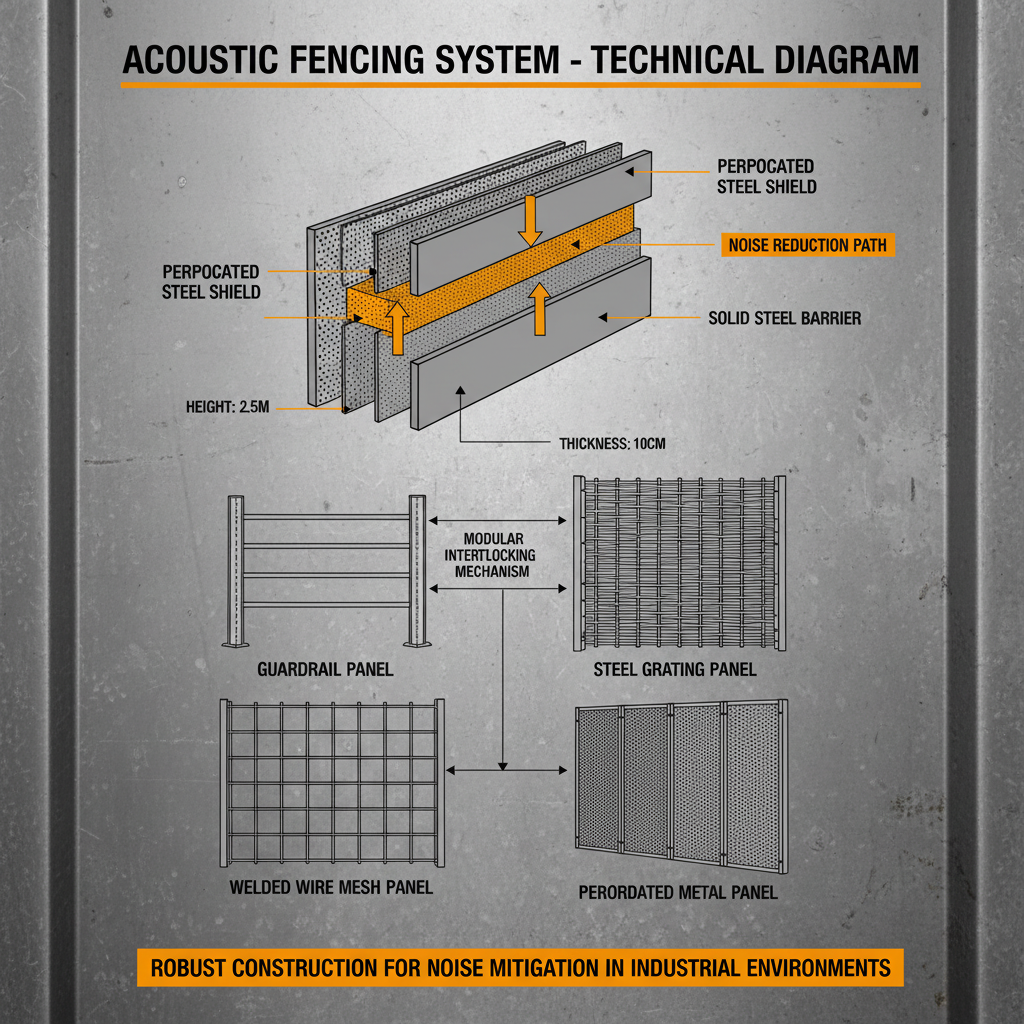
What is Acoustic Fencing and How Does it Work?
Acoustic fencing, also known as sound barrier fencing, is specifically engineered to reduce noise levels. Unlike standard fences that primarily offer visual privacy and security, acoustic fences are constructed with materials and designs that absorb and deflect sound waves. These fences typically incorporate dense materials, air gaps, and strategically designed structures to maximize sound attenuation. The key principle behind their effectiveness is to prevent sound energy from traveling across the fence line. This is achieved by either absorbing the sound energy (converting it into heat) or reflecting it back towards the source. The higher the Sound Transmission Class (STC) rating of a fence, the more effective it is at blocking sound. ZT Wire Mesh utilizes advanced materials to create acoustic fences with superior STC ratings.
Types of Acoustic Fencing
Several types of acoustic fencing are available, each suited to different noise reduction requirements and aesthetic preferences. Common options include:
- Solid Barrier Fencing: Constructed from dense materials like concrete, masonry, or timber, offering high STC ratings.
- Absorptive Fencing: Uses sound-absorbing materials like mineral wool or foam encased in a weatherproof facing.
- Composite Fencing: Combines absorptive and barrier properties, often utilizing a dense core with a sound-absorbing surface.
- Wire Mesh Acoustic Fencing: Employs a specialized wire mesh design with strategic gaps to dissipate sound energy. This is often a more cost-effective and visually appealing option.
The choice of fencing type depends on the frequency and intensity of the noise, the desired level of reduction, budget constraints, and local regulations. ZT Wire Mesh specializes in high-performance wire mesh acoustic fencing solutions, offering a balance of effectiveness, aesthetics, and cost.
Key Considerations: The most effective acoustic fencing utilizes a combination of mass, absorption, and damping to achieve optimal noise reduction.
Acoustic Fencing Materials: A Comparison
The material used in acoustic fencing significantly impacts its performance. Here's a comparison of common materials:
Installation Considerations for Acoustic Fencing
Proper installation is crucial for maximizing the effectiveness of acoustic fencing. Key considerations include:
- Height: Higher fences generally provide greater noise reduction, but may be subject to local height restrictions.
- Length: The fence should extend beyond the noise source and receiver to prevent sound flanking (sound traveling around the ends of the fence).
- Gaps: Minimize gaps at the base of the fence and between fence panels to prevent sound leakage.
- Foundation: A solid foundation is essential for stability and preventing sound transmission through vibrations.
- Professional Installation: Consider professional installation to ensure proper design and construction, particularly for complex systems.
ZT Wire Mesh offers expert installation services to ensure optimal performance of your acoustic fencing system.
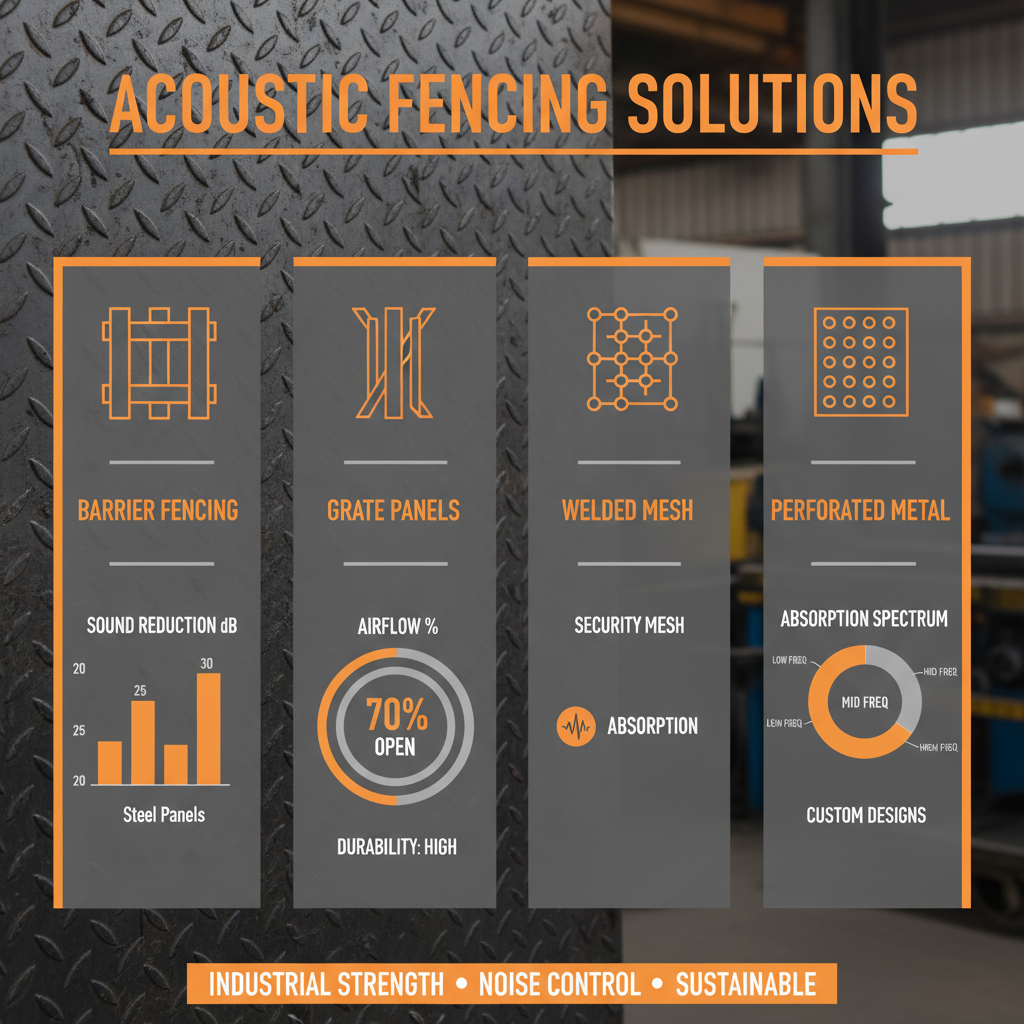
Applications of Acoustic Fencing
Acoustic fencing finds applications in a wide range of settings, including:
- Residential: Reducing noise from traffic, neighbors, or industrial sources.
- Commercial: Creating quieter environments around offices, retail spaces, and restaurants.
- Industrial: Mitigating noise pollution from factories, construction sites, and transportation hubs.
- Transportation: Reducing noise from highways, railways, and airports.
By investing in acoustic fencing, you can significantly improve the quality of life for those affected by noise pollution. ZT Wire Mesh provides tailored acoustic fencing solutions to address specific noise control challenges.
Conclusion: Creating a Quieter Environment with Acoustic Fencing
Investing in acoustic fencing is a proactive step toward mitigating noise pollution and enhancing the quality of life. With various materials and designs available, you can find a solution that meets your specific needs and budget. ZT Wire Mesh is dedicated to providing high-quality, effective acoustic fencing solutions that deliver lasting results. Don't let noise control be an afterthought – prioritize a quieter, more peaceful environment today.
Frequently Asked Questions (FAQs)
What is the typical lifespan of acoustic fencing?
The lifespan of acoustic fencing varies depending on the material used and environmental conditions. Concrete fencing can last for decades with minimal maintenance. Timber fencing typically lasts 10-20 years with proper treatment. Wire mesh acoustic fencing, especially those manufactured with corrosion-resistant materials like those from ZT Wire Mesh, can also achieve a lifespan of 20+ years. Regular inspections and maintenance, such as cleaning and repairing any damage, are essential for maximizing the lifespan of any acoustic fencing system. The best way to maximize longevity is to select the right materials for your climate and environment.
Is acoustic fencing expensive?
The cost of acoustic fencing can vary significantly depending on the material, height, length, and installation complexity. Concrete fencing is generally the most expensive option, followed by composite materials. Wire mesh acoustic fencing, like those offered by ZT Wire Mesh, provides a cost-effective solution without compromising performance. Considering the long-term benefits of reduced noise pollution and improved quality of life, acoustic fencing is often a worthwhile investment. It's crucial to obtain quotes from multiple suppliers and installers to compare prices and ensure you're getting the best value.
Can acoustic fencing be aesthetically pleasing?
Traditionally, acoustic fencing was often perceived as utilitarian and unattractive. However, modern acoustic fencing solutions, like those offered by ZT Wire Mesh, are designed with aesthetics in mind. Wire mesh acoustic fencing, for example, can be customized with various colors and designs to blend seamlessly with the surrounding environment. Composite fencing can also mimic the appearance of natural materials like wood. With careful planning and design, acoustic fencing can be both effective and visually appealing.
Do I need a permit to install acoustic fencing?
Whether you need a permit to install acoustic fencing depends on your local regulations and the height and type of fencing you choose. Many municipalities have height restrictions and may require permits for fences exceeding a certain height. It's essential to check with your local building department before starting any fencing project to ensure compliance with all applicable rules and regulations. Failure to obtain the necessary permits can result in fines or the need to remove the fencing.
-
Ultimate Guide to Choosing the Right Sound Proof Barrier
NewsApr.16,2026
-
Effective Guide to Installing a Sound Deadening Fence for Peace
NewsApr.09,2026
-
Comprehensive Guide to Portable Sound Barrier Solutions for Noise Control
NewsApr.07,2026
-
Effective Outdoor Acoustic Barriers for Noise Reduction and Enhanced Wellbeing
NewsApr.04,2026
-
Effective Noise Cancelling Fence Solutions for Peaceful Living
NewsMar.31,2026
-
Enhancing Workplace Productivity with Effective Cubicle Sound Barriers
NewsMar.28,2026
Subscribe now!
Stay up to date with the latest on Fry Steeland industry news.