

Understanding and Choosing the Right Noise Cancelling Fence
In today’s bustling world, finding peace and quiet can be a challenge. Whether you’re a homeowner seeking respite from traffic noise or an industrial site needing to mitigate sound pollution, a noise cancelling fence offers a practical and effective solution. This article dives deep into the benefits, materials, installation, and key considerations when selecting a noise reducing fence. We'll explore how these fences work and how to choose the best option for your specific needs.
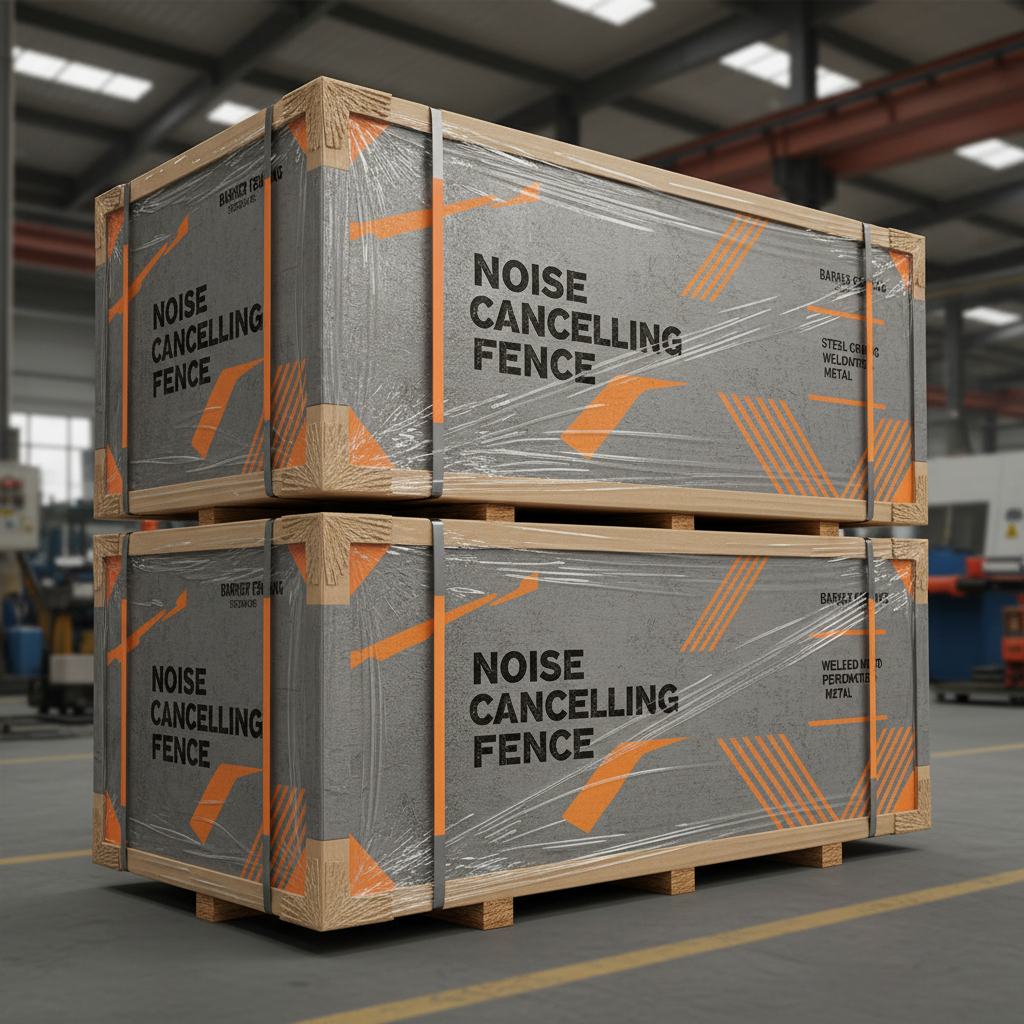
How Do Noise Cancelling Fences Work?
Noise cancelling fences, also known as soundproof or sound reduction fences, don't eliminate sound entirely. Instead, they significantly reduce noise levels by utilizing a combination of mass, absorption, and damping principles. Mass is crucial; heavier materials block more sound energy. Absorption involves materials that convert sound energy into heat, reducing reflection. Damping minimizes vibrations within the fence structure itself. Effective noise reduction fences are typically constructed with dense materials and often include a core of sound-absorbing material. The height and length of the fence also play a vital role, as sound waves travel around barriers.
Key Principles: The effectiveness relies on a combination of mass to block sound, absorption to reduce reflections, and damping to minimize vibrations.
Materials Commonly Used in Noise Cancelling Fences
Several materials are well-suited for building effective noise reducing fences. Common choices include concrete, brick, heavy-duty timber, and specialized composite panels. Concrete and brick offer excellent mass, providing substantial noise blocking. Timber, while lighter, can be effective when combined with sound-absorbing materials like mineral wool or acoustic blankets. Composite panels are engineered specifically for sound reduction, often featuring a dense core and absorptive facing. ZTWiremesh specializes in providing high-quality materials for constructing these types of fences.
Material Benefits:
• Concrete/Brick: High mass, excellent noise blocking.
• Timber: Cost-effective, can be enhanced with absorptive materials.
• Composite Panels: Engineered for sound reduction, dense core.
Noise Cancelling Fence Materials: A Comparative Overview
Choosing the right material involves considering factors like budget, noise reduction requirements, aesthetics, and local building codes. Here's a comparison table outlining the key characteristics of common materials:
Factors Affecting Noise Reduction
Several factors influence the effectiveness of a noise cancelling fence. The height of the fence is paramount – taller fences block more sound. Gaps under the fence or between panels significantly reduce performance. The distance between the noise source and the fence also plays a role; closer proximity yields better results. Finally, the surrounding environment matters – reflective surfaces can redirect sound waves, diminishing the fence's impact.
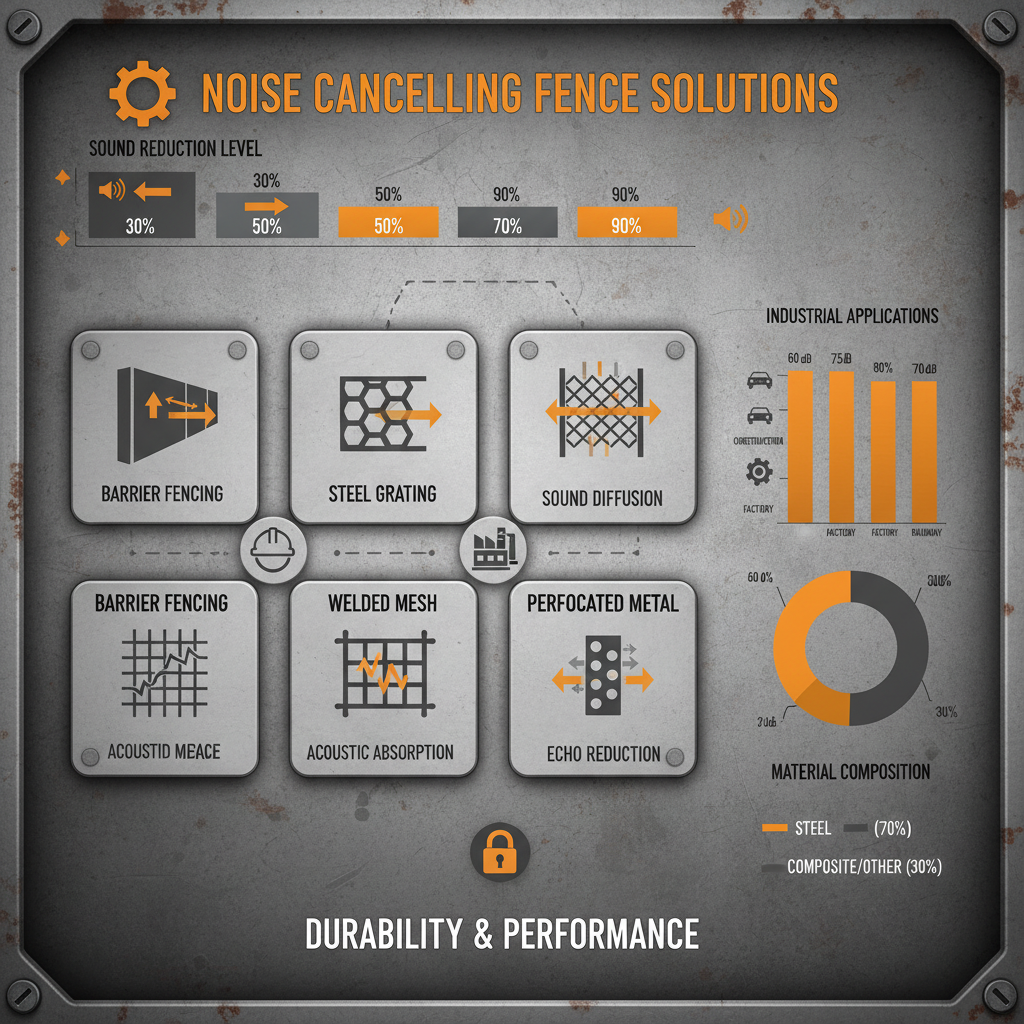
Installation and Considerations
Proper installation is crucial for maximizing the effectiveness of your noise cancelling fence. Ensure the fence is securely anchored to the ground and that there are no gaps at the base. Overlapping panels or using a sealant can eliminate gaps between sections. Consider local building codes and permit requirements before starting construction. Finally, remember that a noise fence is most effective when used in conjunction with other noise reduction strategies, such as landscaping and soundproofing. ZTWiremesh can provide expert guidance on installation and material selection to ensure optimal results.
Conclusion
Investing in a noise cancelling fence is a proactive step towards creating a more peaceful and comfortable environment. By understanding the principles of sound reduction, choosing the right materials, and ensuring proper installation, you can significantly mitigate unwanted noise and enjoy a quieter lifestyle.
Frequently Asked Questions (FAQs)
What height fence is most effective for noise reduction?
Generally, a fence height of at least 6-8 feet is recommended for noticeable noise reduction. Taller fences are more effective, but practicality and local regulations should be considered. The taller the fence, the more sound energy it blocks from travelling over the top. However, even a well-constructed 6-foot fence can provide significant improvement, especially when combined with sound-absorbing materials.
Can I add soundproofing material to an existing fence?
Yes, you can! Adding sound-absorbing materials to an existing fence is a cost-effective way to improve its noise reduction capabilities. Options include attaching acoustic blankets, installing sound-absorbing panels, or filling the fence with insulation. Ensure the materials are weather-resistant and securely attached to prevent them from falling off.
How much does a noise cancelling fence typically cost?
The cost of a noise cancelling fence varies greatly depending on the materials used, the length and height of the fence, and installation costs. As shown in the table above, material costs can range from $10 to $50 per linear foot. Installation can add another $5 to $20 per linear foot. It’s best to get quotes from multiple contractors and compare material options to find a solution that fits your budget.
Are there any permits required for building a noise cancelling fence?
Yes, in most cases, permits are required for building a fence, including noise cancelling fences. Regulations vary by location, so it's essential to check with your local building department before starting construction. Permit requirements may cover fence height, materials, and proximity to property lines. Failing to obtain the necessary permits can result in fines or the requirement to dismantle the fence.
-
Ultimate Guide to Choosing the Right Sound Proof Barrier
NewsApr.16,2026
-
Effective Guide to Installing a Sound Deadening Fence for Peace
NewsApr.09,2026
-
Comprehensive Guide to Portable Sound Barrier Solutions for Noise Control
NewsApr.07,2026
-
Effective Outdoor Acoustic Barriers for Noise Reduction and Enhanced Wellbeing
NewsApr.04,2026
-
Effective Noise Cancelling Fence Solutions for Peaceful Living
NewsMar.31,2026
-
Enhancing Workplace Productivity with Effective Cubicle Sound Barriers
NewsMar.28,2026
Subscribe now!
Stay up to date with the latest on Fry Steeland industry news.