-
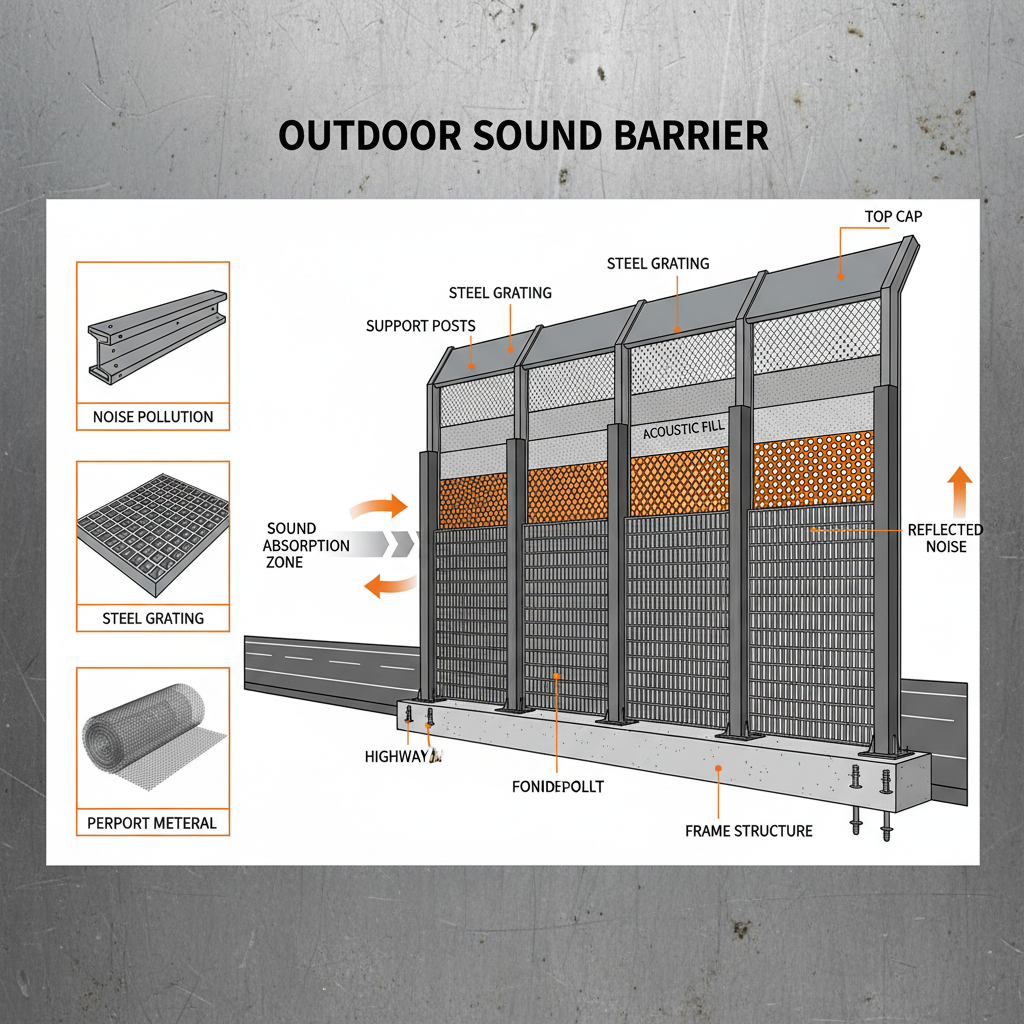 In today's increasingly noisy world, finding effective solutions to mitigate sound pollution is crucial. Whether it’s highway noise impacting residential areas, industrial operations disturbing nearby communities, or the need for acoustic privacy in commercial spaces, outdoor sound barriers play a vital role in creating more peaceful and habitable environments. This article will comprehensively explore the benefits, types, applications, and key considerations when selecting an outdoor sound barrier, focusing on how ZT Wire Mesh offers exceptional solutions for noise control. Noise pollution has significant impacts on both physical and mental health. Prolonged exposure can lead to stress, sleep disturbances, cardiovascular problems, and reduced cognitive performance.Read more
 -
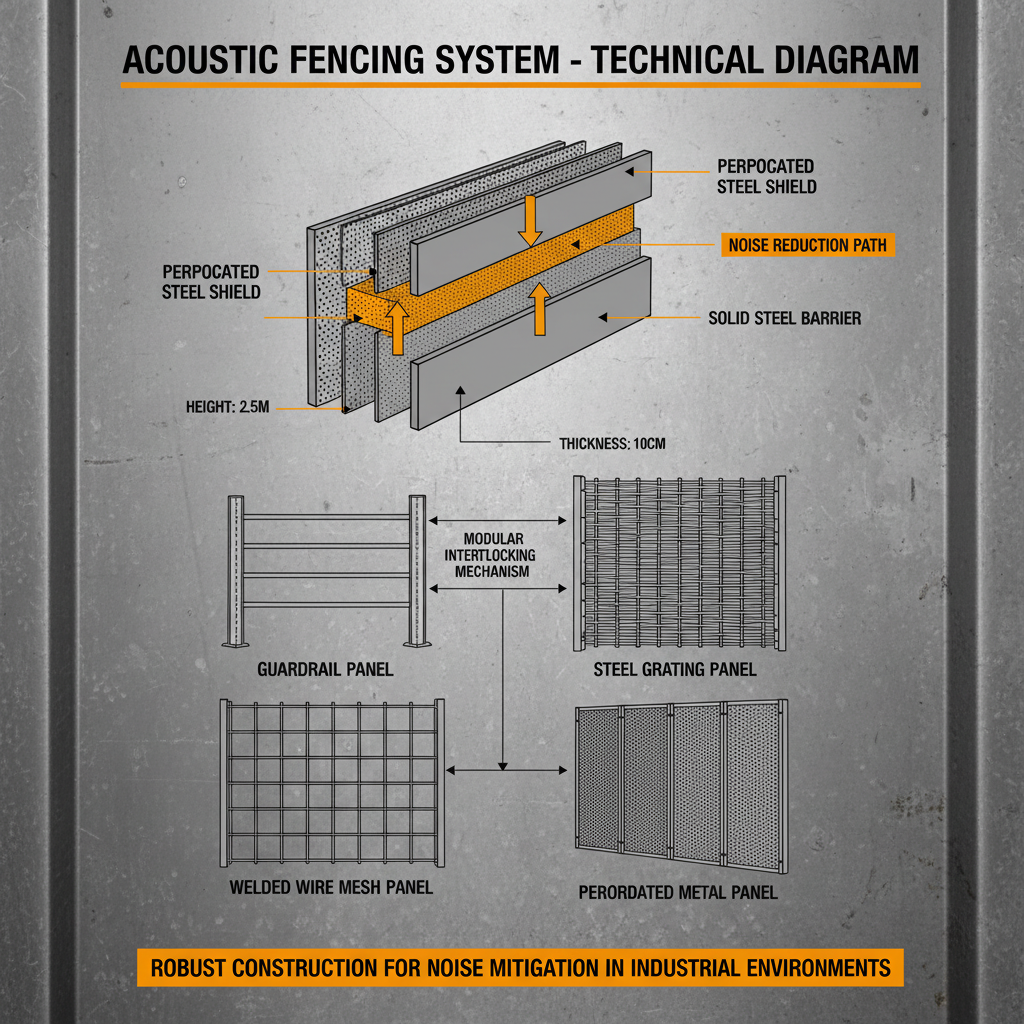 In today’s increasingly noisy world, maintaining peace and quiet can be a challenge. For residential, commercial, and industrial properties alike, noise pollution is a significant concern. An effective solution is acoustic fencing, designed to absorb and reduce sound transmission. This article will explore the benefits, types, installation, and considerations for implementing acoustic fencing to create a more tranquil environment. Effective noise control is not only about comfort; it’s also crucial for health, productivity, and compliance with local regulations. ZT Wire Mesh offers a range of high-quality acoustic fencing solutions to meet diverse needs.Read more
 -
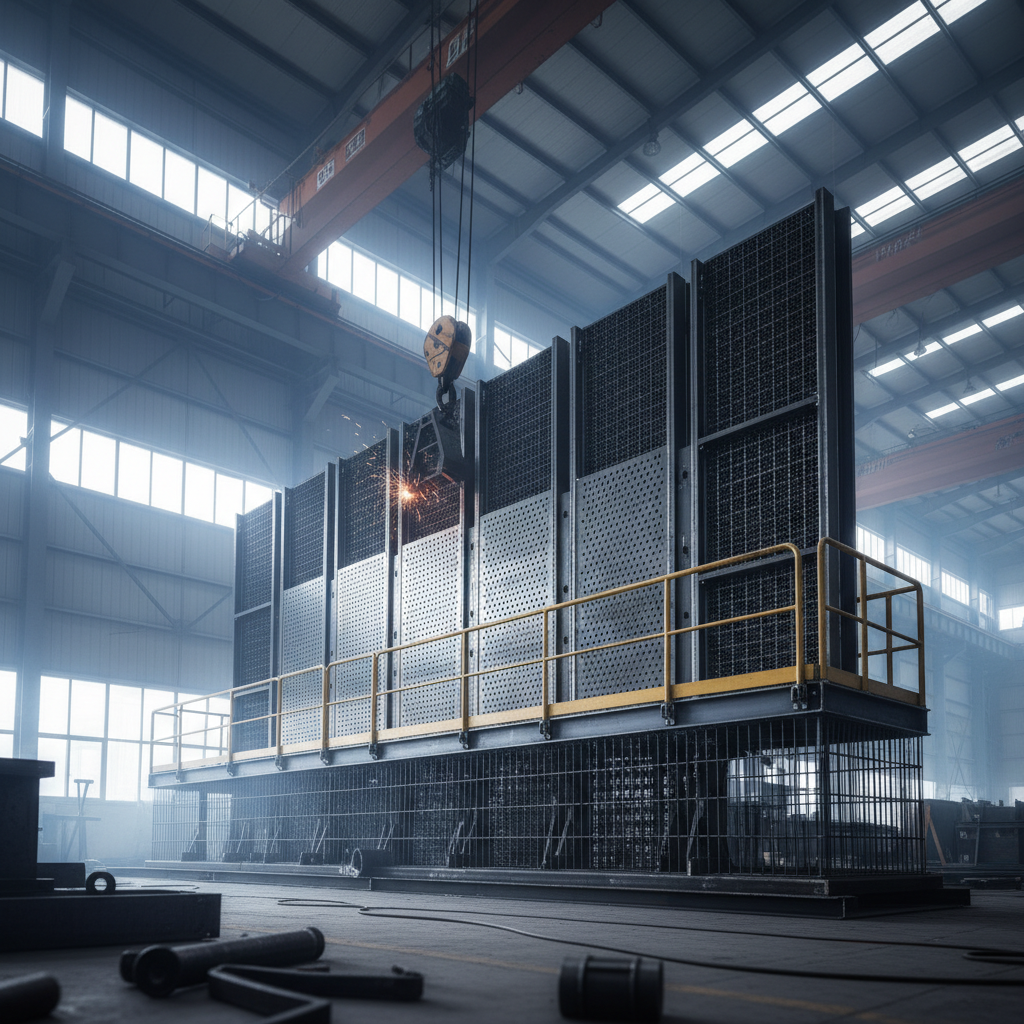 In today’s increasingly noisy world, effective sound barriers are essential for protecting communities, workplaces, and the environment. From highway noise to industrial clamor, excessive sound pollution can have detrimental effects on health and quality of life. This article explores the principles of sound mitigation, the types of sound barriers available, their applications, and the benefits of investing in high-quality noise control solutions from ZT Wire Mesh. We’ll delve into how these barriers work, the materials used, and what to consider when selecting the right barrier for your specific needs. Sound travels in waves, and a sound barrier works by interrupting these waves. This can be achieved through several methods: absorption, reflection, and deflection. ZT Wire Mesh sound barriers are expertly engineered to combine these methods, maximizing noise reduction. Absorption materials convert sound energy into heat, reducing its intensity.Read more
 -
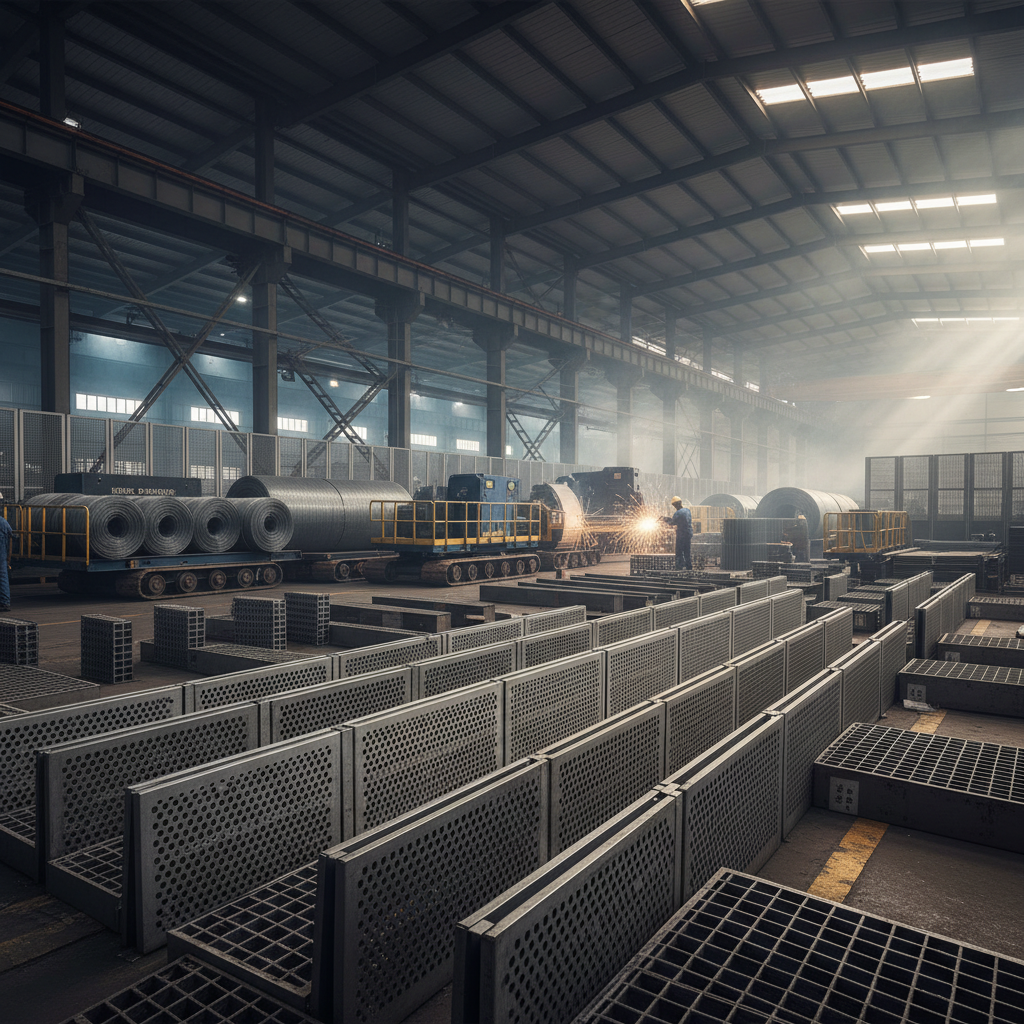 In today’s increasingly noisy world, effective noise barriers are critical for protecting communities and workforces from harmful sound pollution. Whether it's mitigating traffic noise along highways, shielding industrial sites, or creating quieter work environments, choosing the appropriate noise control solution is paramount. This article will explore the types of noise barriers available, their applications, factors to consider when selecting a barrier, and the benefits of investing in robust noise mitigation strategies. Effective noise control improves quality of life, enhances worker productivity, and ensures compliance with environmental regulations. ZT Wire Mesh specializes in providing high-quality, custom-engineered noise barrier solutions. Noise barriers come in various forms, each suited to different applications and noise reduction requirements. Common types include concrete walls, earth berms, and engineered barriers using materials like steel, acrylic, and sound-absorbing composites. Concrete barriers are durable and offer high sound attenuation but can be visually obtrusive. Earth berms are a natural solution, blending into the landscape, but require significant land area.Read more
 -
A drainboard is a crucial component in various applications, from kitchen sinks to shower stalls and even industrial settings. Its primary function is to facilitate water drainage and prevent water accumulation. This article will delve into the world of drainboards, covering their definition, types, materials, applications, benefits, and how to choose the right one for your needs. Understanding the purpose of a drainboard will help you make informed decisions when selecting this important item. At its core, a drainboard is a slightly sloped surface designed to channel water away from an appliance or fixture. It’s commonly found next to kitchen sinks to allow dishes to air dry, preventing water from pooling and creating a mess. Beyond the kitchen, drainboards play a vital role in showers, directing water towards the drain. In industrial applications, they can be essential for managing wastewater and ensuring a safe working environment.Read more
-
A drain board is a crucial component in various construction and landscaping applications, specifically designed to facilitate efficient water drainage. This article will delve into the purpose, types, materials, applications, benefits, and installation of drain boards, offering a comprehensive overview for homeowners, contractors, and anyone interested in effective water management. Proper drainage is essential for protecting structures from water damage, and a drain board can significantly contribute to this goal. At its core, a drain board acts as a protective layer applied to foundation walls or other vertical surfaces. Its primary function is to create a gap between the waterproofing membrane and the soil, allowing water to flow freely downwards. This prevents hydrostatic pressure from building up against the foundation, which can lead to leaks, cracks, and structural damage. Without a drain board, water can become trapped and exert significant force, compromising the integrity of the building.Read more
-
A draining board overflow can cause significant inconvenience and potential water damage in any kitchen. From overflowing sinks to poorly designed draining systems, understanding the causes and implementing preventative measures are crucial. This article will explore common reasons for draining board overflow, effective solutions, and the role of quality materials in creating a robust and reliable drainage system. We will cover everything from proper installation to maintaining your drainage setup, ensuring a dry and functional kitchen space. Several factors can contribute to draining board overflow. A primary cause is blockage within the drainpipe, often from food particles, grease, or soap scum. Another common issue is an insufficient drain size for the volume of water being discharged. Furthermore, incorrect installation of the draining board itself, such as an improper slope, can hinder water flow and lead to backups. Finally, a buildup of mineral deposits can narrow the drainpipe over time, reducing its capacity. Addressing these underlying issues is key to preventing recurring overflows.Read more
-
Effective drainage is crucial for any construction project, particularly those involving foundations, landscaping, and retaining walls. Drain board construction provides a vital layer of protection, preventing water buildup and potential structural damage. This article will delve into the purpose, materials, installation techniques, and benefits of drain boards, offering a comprehensive overview for builders, contractors, and homeowners. Understanding the principles of drain board construction can significantly enhance the longevity and stability of your project. A drain board, also known as a drainage membrane, is a protective layer installed against foundation walls or other subterranean structures. Its primary function is to safeguard the waterproofing membrane from physical damage during backfilling and to provide a clear pathway for water to drain away from the structure. Without a drain board, hydrostatic pressure can build up, leading to leaks, cracks, and potentially catastrophic structural failure.Read more
-
A green draining board is an essential component of any effective drainage system, particularly in commercial kitchens, food processing plants, and other areas where hygiene and safety are paramount. Choosing the right draining board can significantly impact workflow efficiency, sanitation, and overall compliance with health regulations. This article explores the benefits of green draining boards, key factors to consider when selecting one, and how ZT Wire Mesh can provide you with the perfect solution. The "green" in a green draining board refers to the material composition – typically a specialized plastic containing antimicrobial agents. These agents inhibit the growth of bacteria, mold, and mildew, creating a much more hygienic surface than traditional stainless steel or plastic draining boards. This is critical in environments where food safety is a top priority. Furthermore, green draining boards are often more durable and resistant to staining and odors, leading to a longer lifespan and reduced replacement costs. They contribute to a cleaner, safer workspace and help maintain compliance with strict health codes. ZT Wire Mesh specializes in delivering high-quality, hygienic draining solutions.Read more


Subscribe now!
Stay up to date with the latest on Fry Steeland industry news.
Email addressSIGN UP