

Practical Guide to Hot Sale 3mm 5mm 7mm Thickness Bearing Bar Metal Steel Grating
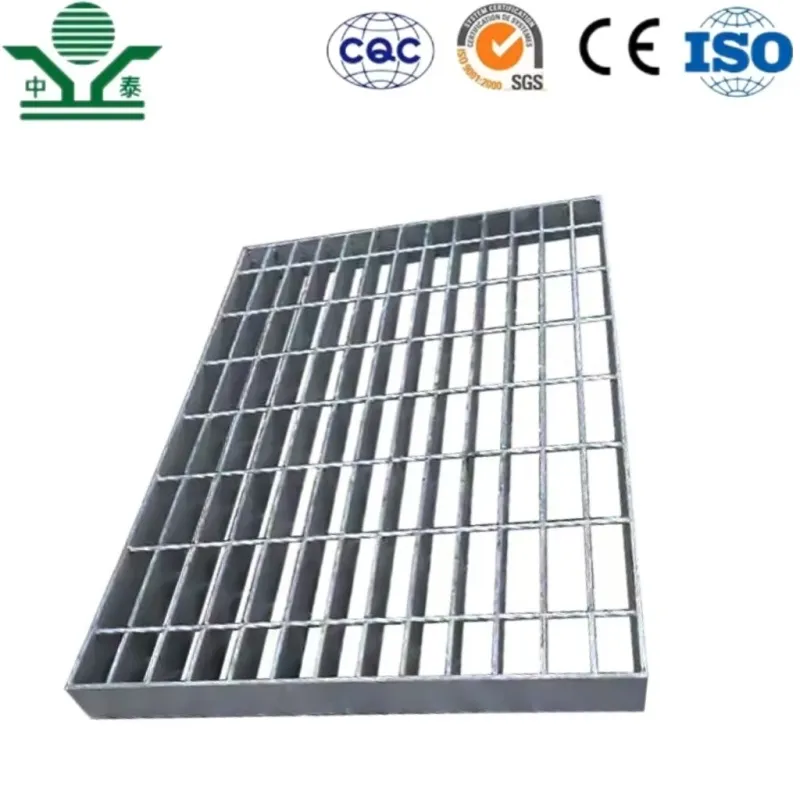
Walk any industrial site today and you’ll notice a quiet trend: more plants are standardizing on serrated, hot-dip galvanized bar grating for platforms and trench covers. To be honest, it’s not glamorous—but it’s the kind of product maintenance teams swear by. Built in Anping County, Hebei (No. 12, Jingwu Road, East District, Industrial Park), this category of grating keeps people safe, drains fast, and shrugs off abuse.
What’s driving demand right now
Three things: higher slip-resistance targets, faster shutdown schedules, and compliance. Facilities are shifting to serrated profiles, thicker bearing bars (often 5–7 mm), and galvanizing that meets ISO 1461. Many customers say they want “fit-and-forget” walkways with a 20–40 year service window—fair ask in corrosive zones.
Core specifications at a glance
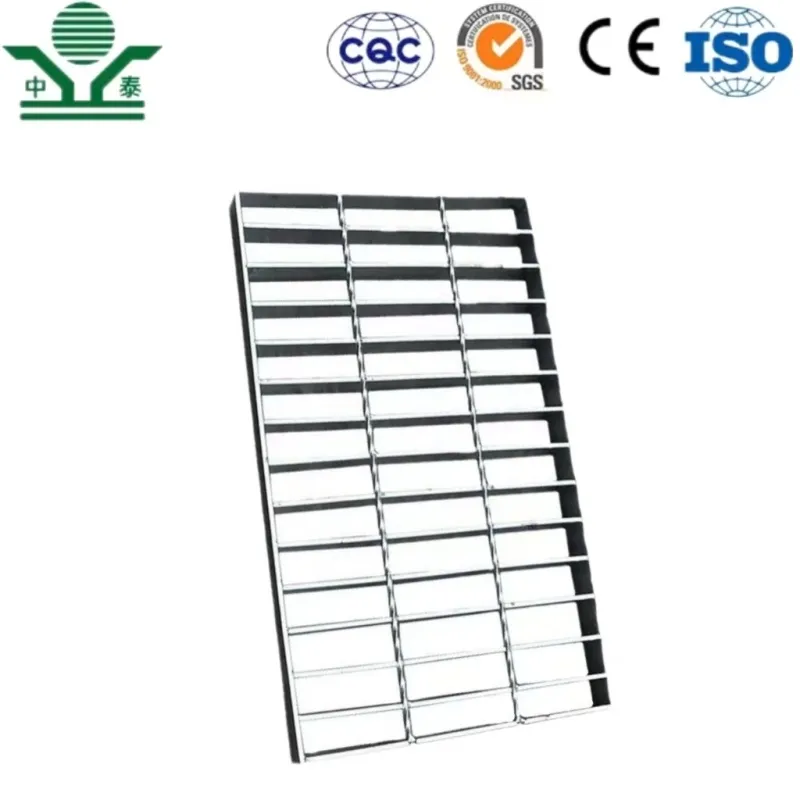
Materials: stainless steel (304/316) or carbon steel (Q235/Q355). Shapes: Plain, Serrated, I-Section. Surfaces: Hot-dip galvanized, painted, or untreated.
| Bearing Bar Thickness | 3–16 mm (popular: 3/5/7 mm) |
| Bearing Bar Pitch | 15, 22, 25, 30, 32.5, 34, 40, 50, 60, 80, 90 mm |
| Cross Bar Pitch | 24–200 mm |
| Bar Width | 10–150 mm |
| Manufacturing | Pressure-locked / resistance-welded |
| Finish Standard (HDG) | ISO 1461, ASTM A123 (≈85 µm typical; real-world may vary) |
From mill to mezzanine: how it’s made
- Material prep: SS304/316 or Q235/Q355 bars cut to pitch.
- Welding/locking: resistance-welded or pressure-locked for load integrity.
- Finishing: degrease, acid clean, flux, then hot-dip galvanize; or paint if specified.
- QC and testing: dimensional checks (±1 mm typical), load/deflection checks to NAAMM MBG references, coating thickness gauges, slip assessment where needed.
- Service life: galvanized carbon steel ≈25–50 years (rural/industrial), stainless longer in clean environments.
Where it’s used (and why)
Petrochemical decks, wastewater plants, power generation, mining catwalks, shipbuilding, food plants (stainless for hygiene), and public drainage covers. Surprisingly, even architects specify serrated I-section for rooftop maintenance paths—lightweight yet grippy.
Customer feedback: “The serrated 30×5 mm bars cut slips during the rainy season,” said a Southeast Asia water utility. Another client noted faster installs thanks to precise cut-to-size panels and pre-punched fixing clips.
Test data and compliance
Typical span example: 30×5 mm bearing bar, 600 mm span, uniform load ≈3.0–3.8 kN at L/200 deflection (indicative; verify per site). Slip-resistance for serrated profiles often passes wet pendulum categories per ASTM E303/AS 4586 in oily areas, but on-site results vary. Refer to NAAMM MBG 531/BS grating families for selection and deflection limits.
| Vendor | Steel Grades | Finish | Certs | Lead Time |
|---|---|---|---|---|
| ZTWIREMESH (Anping, Hebei) | Q235/Q355, 304/316 | HDG, painted, bare | ISO-like QMS; mill certs | ≈10–20 days |
| Import Broker A | Q235, 304 | HDG (varied) | Limited docs | ≈25–40 days |
| Local Fabricator B | Mild steel | Painted | Shop test sheets | ≈7–14 days |
Customization
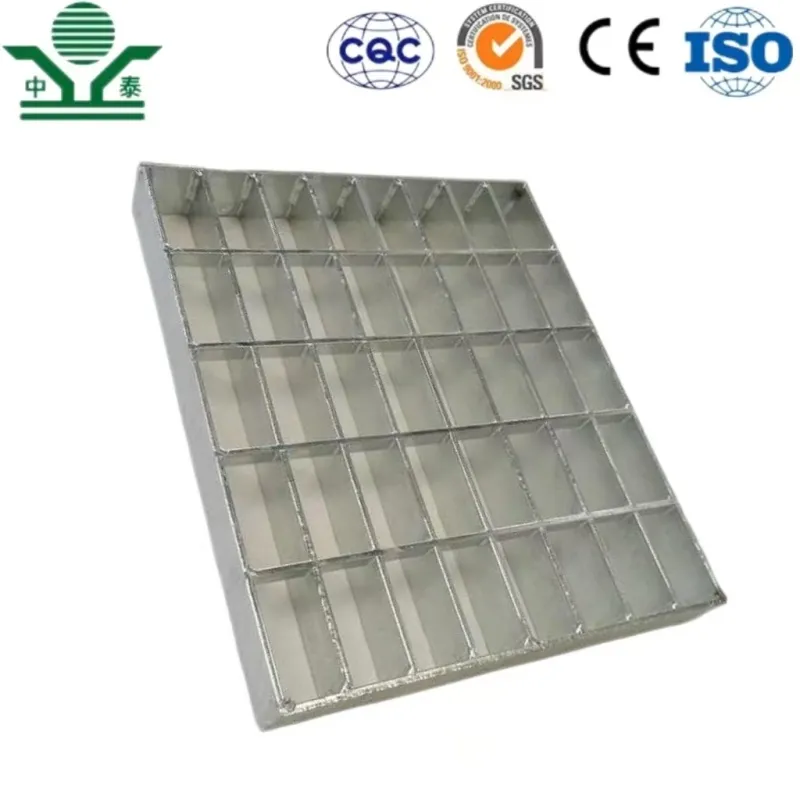
- Cut-to-size panels with edge banding; stair treads with nosing.
- Serrated or I-section for weight/safety balance.
- Clips, countersunk holes, kick-plates, and toe-boards.
- Stainless for food/chemical; thick zinc for marine splash zones.
Quick case notes
- Middle East desalination: serrated 32×5 mm HDG grating cut slip incidents by ≈40% year-on-year, per client HSE notes.
- Food plant retrofit: 304 stainless I-section reduced panel weight ≈12% while meeting load and hygiene goals.
If you’re evaluating Hot Sale 3mm 5mm 7mm Thickness Bearing Bar Metal Steel Grating for walkways or trench covers, shortlist serrated 5–7 mm bars for wet zones, keep spans conservative, and insist on coating and load documentation. It sounds basic—because it works.
References
- ISO 1461: Hot dip galvanized coatings on fabricated iron and steel articles. https://www.iso.org/standard/37752.html
- NAAMM MBG 531: Metal Bar Grating Manual. https://www.naamm.org/
- ASTM E303: Standard Test Method for Measuring Surface Frictional Properties Using the British Pendulum Tester. https://www.astm.org/e0303
Note: Data are indicative; real-world performance depends on span, load case, environment, and installation quality.
-
Ultimate Guide to Choosing the Right Sound Proof Barrier
NewsApr.16,2026
-
Effective Guide to Installing a Sound Deadening Fence for Peace
NewsApr.09,2026
-
Comprehensive Guide to Portable Sound Barrier Solutions for Noise Control
NewsApr.07,2026
-
Effective Outdoor Acoustic Barriers for Noise Reduction and Enhanced Wellbeing
NewsApr.04,2026
-
Effective Noise Cancelling Fence Solutions for Peaceful Living
NewsMar.31,2026
-
Enhancing Workplace Productivity with Effective Cubicle Sound Barriers
NewsMar.28,2026
Subscribe now!
Stay up to date with the latest on Fry Steeland industry news.