

Understanding Bar Drainboards: A Comprehensive Guide
Bar drainboards are essential components in a variety of industrial and commercial settings, playing a critical role in efficient drainage and hygiene. From food processing facilities to laboratories, these systems effectively channel liquids away from work surfaces, preventing slips, falls, and contamination. This article will explore the benefits, applications, materials, and factors to consider when choosing the right bar drainboard for your needs. Proper drainage is not just about convenience; it's a fundamental aspect of safety and operational efficiency.
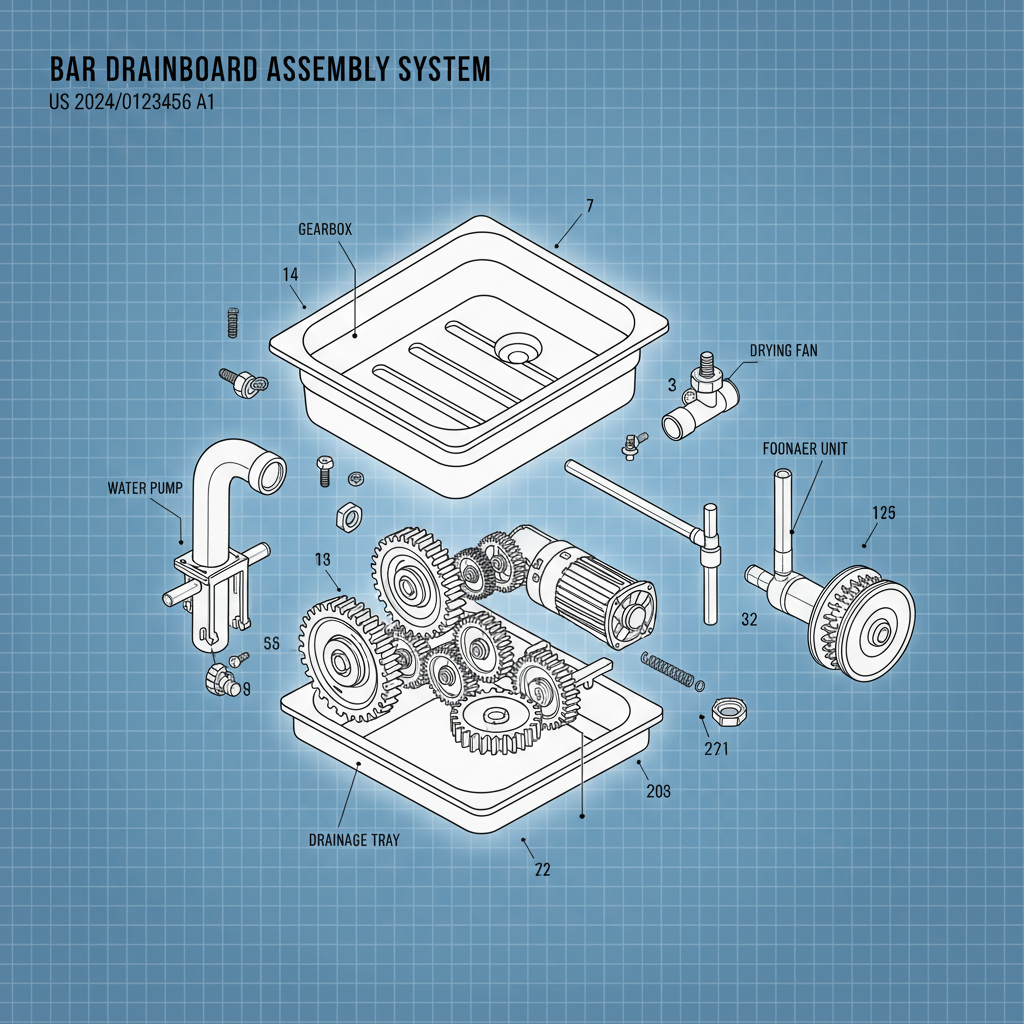
What is a Bar Drainboard and Why is it Important?
A bar drainboard, also known as a grating drain, typically consists of parallel bars or rods welded to supporting rails, creating a durable and open surface. This design allows liquids to flow freely through the drain while providing a stable platform for foot traffic or equipment. The importance of a well-designed bar drainboard lies in its ability to improve workplace safety by minimizing slip and fall hazards. Furthermore, efficient drainage prevents the build-up of bacteria and other contaminants, contributing to a more hygienic environment. Choosing the right type of bar drainboard is crucial for maintaining optimal conditions in your facility.
Key Benefits: Improved safety, enhanced hygiene, efficient drainage, increased operational efficiency, durable and long-lasting construction.
Common Applications of Bar Drainboards
Bar drainboards find application in a wide array of industries. In food processing plants, they ensure sanitary drainage around sinks, workstations, and processing areas. Commercial kitchens rely on them to manage wastewater from dishwashing and food preparation. Laboratories utilize bar drainboards to safely channel chemical spills. Other common applications include swimming pool surrounds, shower stalls in public facilities, and livestock pens. The versatility of these systems makes them a valuable asset in any environment where effective drainage is required. The need for corrosion-resistant materials is paramount in certain environments such as those handling saline solutions or acidic chemicals.
Application Examples:
• Food Processing Plants
• Commercial Kitchens
• Laboratories
• Swimming Pool Areas
Bar Drainboard Materials: A Comparison
The material used in a bar drainboard significantly impacts its durability, corrosion resistance, and overall cost. Common materials include stainless steel, galvanized steel, and aluminum. Stainless steel is a popular choice due to its exceptional corrosion resistance and hygienic properties, making it ideal for food processing and pharmaceutical applications. Galvanized steel offers a more cost-effective solution but may be less resistant to certain chemicals. Aluminum is lightweight and corrosion-resistant but may not be suitable for heavy-duty applications. Choosing the right material depends on the specific requirements of your environment.
Factors to Consider When Choosing a Bar Drainboard
Selecting the appropriate bar drainboard requires careful consideration of several factors. Load capacity is paramount, particularly if the drainboard will be subjected to heavy foot traffic or equipment. The size and dimensions must be suitable for the designated area, ensuring complete coverage and efficient drainage. The spacing between the bars should be optimized to prevent the accumulation of debris while allowing for maximum water flow. Finally, consider the ease of cleaning and maintenance to ensure long-term performance. ZTWireMesh offers customizable solutions to meet your specific requirements.
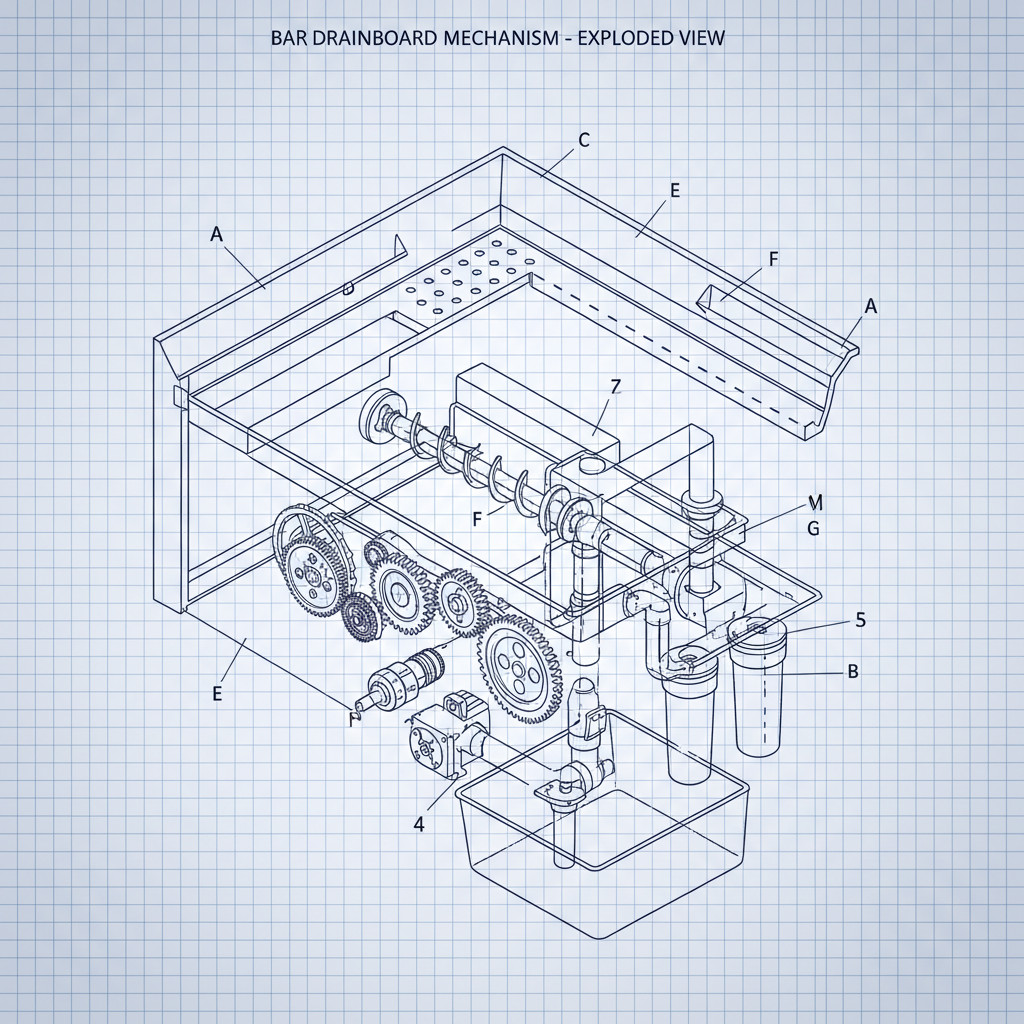
Installation and Maintenance of Bar Drainboards
Proper installation is critical for ensuring optimal performance. Bar drainboards should be securely mounted to the floor or substrate, with adequate slope to facilitate drainage. Regular cleaning and maintenance are also essential. Debris should be removed frequently to prevent clogging and maintain efficient water flow. Periodic inspection for corrosion or damage is recommended, and any necessary repairs should be addressed promptly. Following these guidelines will extend the lifespan of your bar drainboard and ensure its continued effectiveness.
Conclusion: Choosing the Right Bar Drainboard for Your Needs
Investing in a high-quality bar drainboard is a vital step towards creating a safer, more hygienic, and more efficient work environment. By carefully considering the factors outlined in this article and selecting a product that meets your specific requirements, you can ensure reliable performance and long-term value. Don’t compromise on quality – choose a solution that prioritizes safety and durability.
Frequently Asked Questions (FAQs)
What is the typical lifespan of a bar drainboard?
The lifespan of a bar drainboard depends on the material, usage, and maintenance. Stainless steel drainboards can last for decades with proper care. Galvanized steel may last 5-10 years, while aluminum can have a similar lifespan. Regular cleaning, and inspection for corrosion or damage are key to maximizing longevity. Harsh chemical environments will shorten the lifespan of any material.
How do I clean a bar drainboard effectively?
Regular cleaning is essential. Use a mild detergent and warm water to scrub the surface, removing any debris or buildup. For stubborn stains, a specialized cleaner appropriate for the material may be used. Avoid abrasive cleaners that could damage the surface. A pressure washer can be used for thorough cleaning, but be mindful of the pressure setting to prevent damage.
Can bar drainboards be customized?
Yes, many manufacturers, like ZTWireMesh, offer customized bar drainboards. This includes variations in size, material, bar spacing, and frame design to meet specific application needs. Customization ensures the drainboard fits perfectly into your existing infrastructure and provides optimal performance.
What safety standards should I look for?
Ensure the bar drainboard meets relevant safety standards for slip resistance. Look for certifications that demonstrate compliance with industry regulations. A properly designed and installed bar drainboard can significantly reduce the risk of slips and falls in wet or slippery environments.
-
Ultimate Guide to Choosing the Right Sound Proof Barrier
NewsApr.16,2026
-
Effective Guide to Installing a Sound Deadening Fence for Peace
NewsApr.09,2026
-
Comprehensive Guide to Portable Sound Barrier Solutions for Noise Control
NewsApr.07,2026
-
Effective Outdoor Acoustic Barriers for Noise Reduction and Enhanced Wellbeing
NewsApr.04,2026
-
Effective Noise Cancelling Fence Solutions for Peaceful Living
NewsMar.31,2026
-
Enhancing Workplace Productivity with Effective Cubicle Sound Barriers
NewsMar.28,2026
Subscribe now!
Stay up to date with the latest on Fry Steeland industry news.