

BBQ Crimped Wire Mesh: what pros actually look for
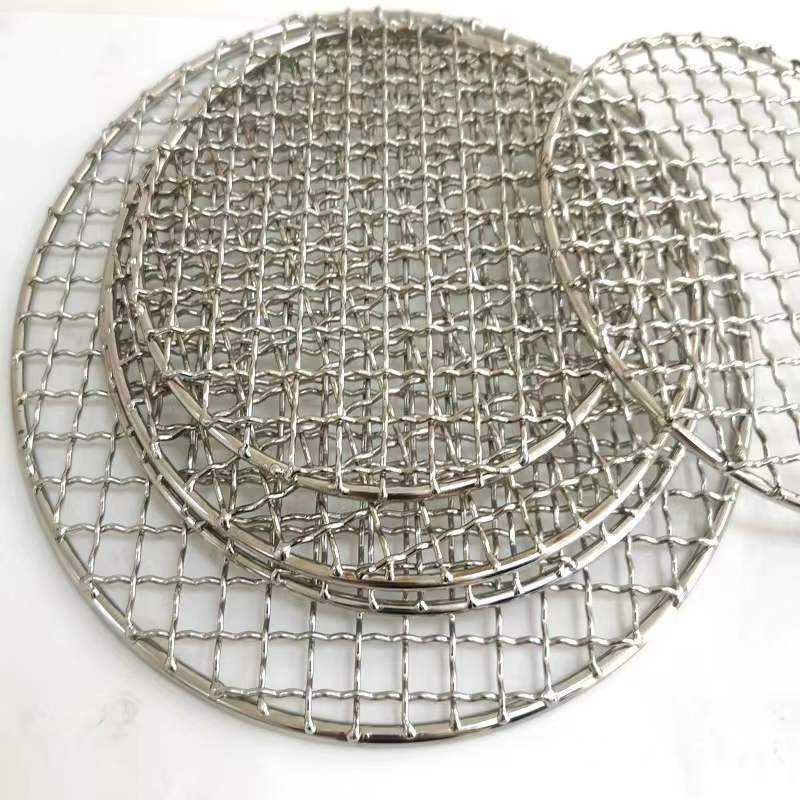
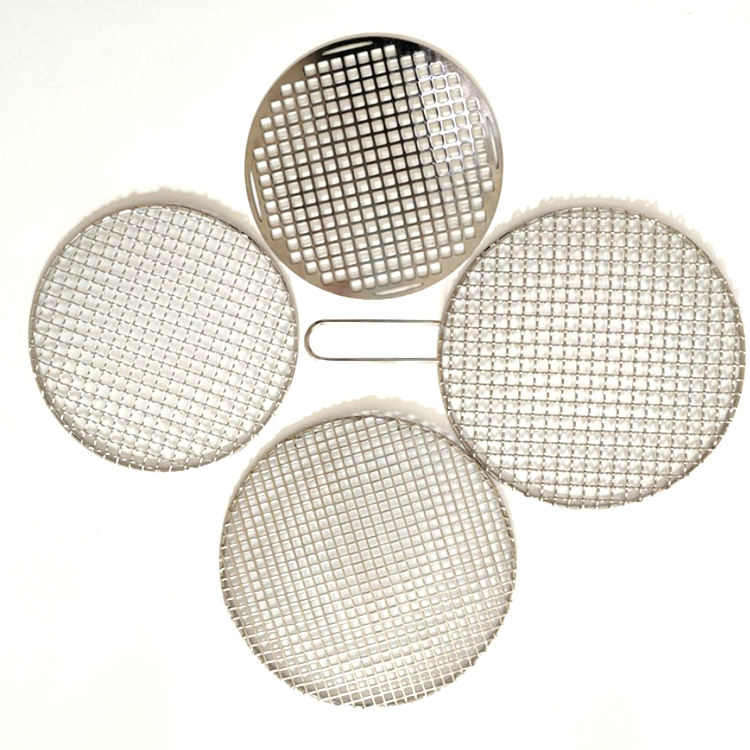
If you’ve ever grilled over open flame and wondered why some grates warp while others stay true, the answer often traces back to the mesh. I’ve been touring factories in Hebei for years, and the BBQ Crimped Wire Mesh coming out of Anping is, frankly, built for real-life heat and grease. Origin: No. 12, Jingwu Road, East District, Industrial Park, Anping County, Hengshui, Hebei, China. It’s woven after pre-crimping—an old-school technique that still beats shortcuts.
Materials and why they matter
Made in carbon steel, galvanized, or stainless (304/316), each option fits a different pitmaster profile. Carbon steel seasons quickly; galvanized is economical (but avoid direct food contact at high heat); stainless is the premium pick for food service—easy cleaning, corrosion resistance, and steady performance in smokers and high-temp grills. Many customers say stainless pays for itself in one season of events.
Typical product specifications
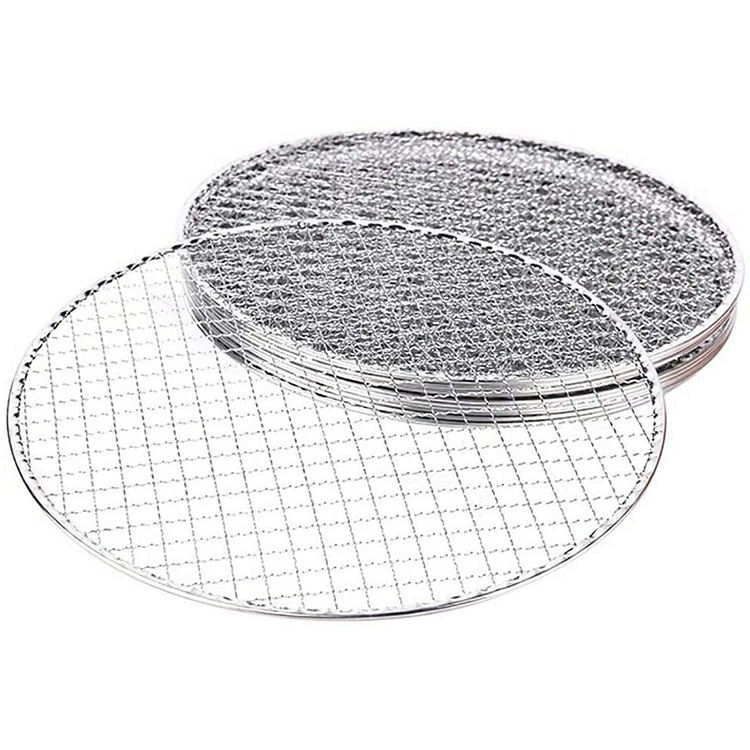
| Parameter | Spec (≈ real-world) | Notes |
|---|---|---|
| Material | SS304 / SS316 / Q195 carbon / galvanized | Food-contact: favor SS304/316 |
| Wire diameter | 1.2–5.0 mm | Heavier wire = better rigidity |
| Aperture (clear opening) | 6–30 mm | Choose by food size/heat profile |
| Weave | Pre-crimped (single/double/locked) | Locked crimp resists deformation |
| Sheet size | 300×300 to 1200×2400 mm | Custom cuts, frames, edges available |
| Finish | Pickled, passivated; oiled (carbon) | Food-safe SS pick/pass per order |
Process flow and testing
Wire selection → pre-crimping (uniform corrugation) → weaving → flattening → edge trimming/framing → surface finishing → inspection. Honestly, the pre-crimping step is where the good factories separate themselves: consistent corrugation locks wires and keeps geometry under heat.
Testing: wire chemistry and tensile per ASTM A580 (stainless) or GB/T standards; aperture/flatness checks; salt spray for coated parts per ASTM B117 (typical 24–96 h, as specified); weld/frame pull tests. Service life? Around 1–3 seasons in commercial catering for SS304, longer for SS316 in coastal/acidic smoke; real-world use may vary with cleaning chemicals and heat cycles.
Where it’s used
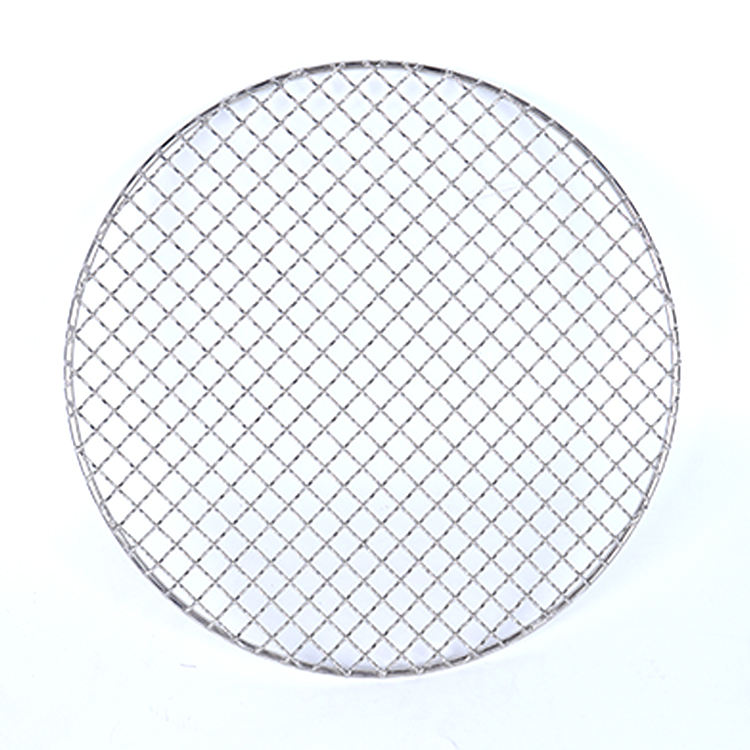
Backyard grills and offset smokers, food trucks (yakitori, satay), commercial rotisseries, bakery racks for flame-kiss finishing, and even fire pits. Some chefs prefer tighter apertures for seafood; others go wider for steaks. To be honest, there’s no single “right” spec—only the right spec for your heat and menu.
Industry trends I’m seeing
- Shift to SS316 for brine-heavy marinades and coastal venues.
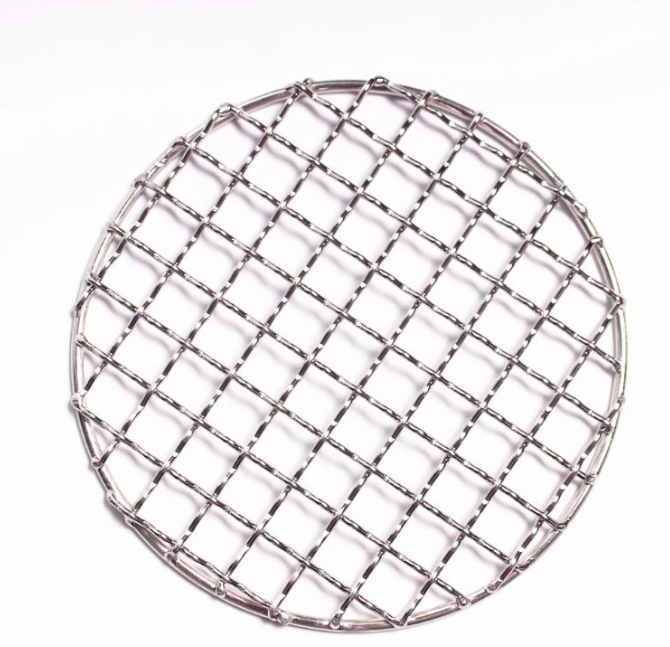
- Locked-crimp patterns on larger apertures to fight mid-span sag.
- Modular panels for easy swap-out during events (less downtime).
- Sustainability: repairable frames instead of full replacement.
Vendor comparison (quick reality check)
| Vendor type | Indicative price | Lead time | Certs/notes |
|---|---|---|---|
| Anping factory (direct) | Lower–mid | 7–20 days (≈) | ISO 9001; custom crimp options |
| Trading house | Mid | 10–30 days | Varies by source; check QoC |
| Overseas brand | High | Stock-dependent | Strong documentation; fewer custom sizes |
Mini case studies
• Event caterer, Texas: switched to BBQ Crimped Wire Mesh in SS304, locked crimp, 3.0 mm wire, 12 mm aperture. Reported 30% fewer replacements over summer festival season; “less warping, easier scrape-down.”
• Coastal bistro, Spain: SS316, 2.5 mm wire, 8 mm aperture for sardines. After 6 months, salt-spray exposure had minimal pitting; cleaning with mild alkaline only.
Compliance and documents
Request mill certs (EN 10204 3.1), ISO 9001 QMS, and food-contact declarations where applicable (EU 1935/2004; LFGB). Stainless wire to ASTM A580; corrosion checks via ASTM B117. For direct food contact, galvanized is generally avoided at high temperatures—stainless is the safer bet.
Ready to spec it properly? A quick drawing with wire dia, aperture, crimp type, panel size, and edge/frame detail will get you a spot-on quote for BBQ Crimped Wire Mesh.
Authoritative citations
- ASTM A580/A580M – Standard Specification for Stainless Steel Wire.
- ASTM B117 – Standard Practice for Operating Salt Spray (Fog) Apparatus.
- EU Regulation No. 1935/2004 on materials intended to come into contact with food.
- ISO 9001 – Quality Management Systems Requirements.
-
Ultimate Guide to Choosing the Right Sound Proof Barrier
NewsApr.16,2026
-
Effective Guide to Installing a Sound Deadening Fence for Peace
NewsApr.09,2026
-
Comprehensive Guide to Portable Sound Barrier Solutions for Noise Control
NewsApr.07,2026
-
Effective Outdoor Acoustic Barriers for Noise Reduction and Enhanced Wellbeing
NewsApr.04,2026
-
Effective Noise Cancelling Fence Solutions for Peaceful Living
NewsMar.31,2026
-
Enhancing Workplace Productivity with Effective Cubicle Sound Barriers
NewsMar.28,2026
Subscribe now!
Stay up to date with the latest on Fry Steeland industry news.