

The Crucial Role and Evolution of Temporary Fencing in Australia's Dynamic Sectors
In Australia's rapidly expanding urban and industrial landscapes, the demand for robust, reliable, and compliant temporary security solutions is paramount. Central to this demand is the Australia Temporary Fence, a critical infrastructure component that ensures site safety, crowd control, and asset protection across diverse applications. The Australian construction sector alone, valued at over AUD 400 billion annually, heavily relies on these temporary barriers for project integrity and public safety. Furthermore, the nation's vibrant events industry, coupled with significant investments in mining and infrastructure, underscores the escalating need for versatile and high-performance fencing systems. This segment explores the fundamental importance of temporary fencing in Australia, detailing how evolving industry trends, stringent regulatory frameworks like AS 4687-2007 (Temporary Fencing and Hoarding), and technological advancements are shaping the design and deployment of these essential barriers. It highlights the economic impact of effective temporary fencing in preventing accidents, deterring unauthorized access, and maintaining operational efficiency, ultimately contributing to project success and public welfare. The increasing complexity of construction projects and the heightened awareness of occupational health and safety (OHS) standards mean that choosing the right temporary fencing solution is no longer a mere logistical decision but a strategic investment in project security and compliance.
The market for Australia Temporary Fence systems is experiencing consistent growth, driven by several key factors. Firstly, a sustained boom in residential and commercial construction across major cities like Sydney, Melbourne, and Brisbane necessitates continuous site demarcation. Secondly, large-scale public infrastructure projects, including road upgrades, railway expansions, and renewable energy initiatives, require extensive temporary barriers for worker safety and public protection during long construction phases. Thirdly, Australia hosts numerous sporting events, festivals, and concerts, all of which depend on efficient crowd management and secure perimeters provided by temporary fencing. This dynamic environment has spurred innovation in fence design, leading to more durable materials, easier installation mechanisms, and enhanced aesthetic options. Manufacturers are increasingly focused on producing fences that not only meet the immediate security needs but also offer longevity, reusability, and minimal environmental impact. The integration of advanced anti-climb features, robust footings, and secure clamping systems has become standard, reflecting a proactive approach to risk mitigation. Understanding these market dynamics is crucial for businesses seeking to invest in or procure temporary fencing solutions, ensuring they align with current industry best practices and future demands.
Precision Engineering: The Manufacturing Process of Australia Temporary Fence
The manufacturing of an Australia Temporary Fence is a sophisticated process, emphasizing durability, strength, and compliance with rigorous Australian standards, particularly AS 4687-2007. The journey begins with the selection of high-grade steel, typically Q235 low-carbon steel, which offers an optimal balance of strength and ductility. This material choice is critical as it provides the necessary structural integrity to withstand harsh Australian weather conditions and resist impact from site activities. The initial stage involves precision cutting of steel wires and pipes to specified dimensions for the mesh panels and frame tubing. Following this, the mesh is meticulously welded using automated resistance welding machines, ensuring uniform strength at every joint. The common mesh opening, typically 60x150mm, is designed to be an effective anti-climb barrier while maintaining good visibility. The frame pipes, often with an Outer Diameter (OD) of 32mm and a wall thickness of 1.5mm, are then bent and cut to form the rectangular panel frames. The critical aspect of this stage is the accuracy of the welding, which must be strong enough to prevent mesh detachment under stress, a common point of failure for lesser quality fences.
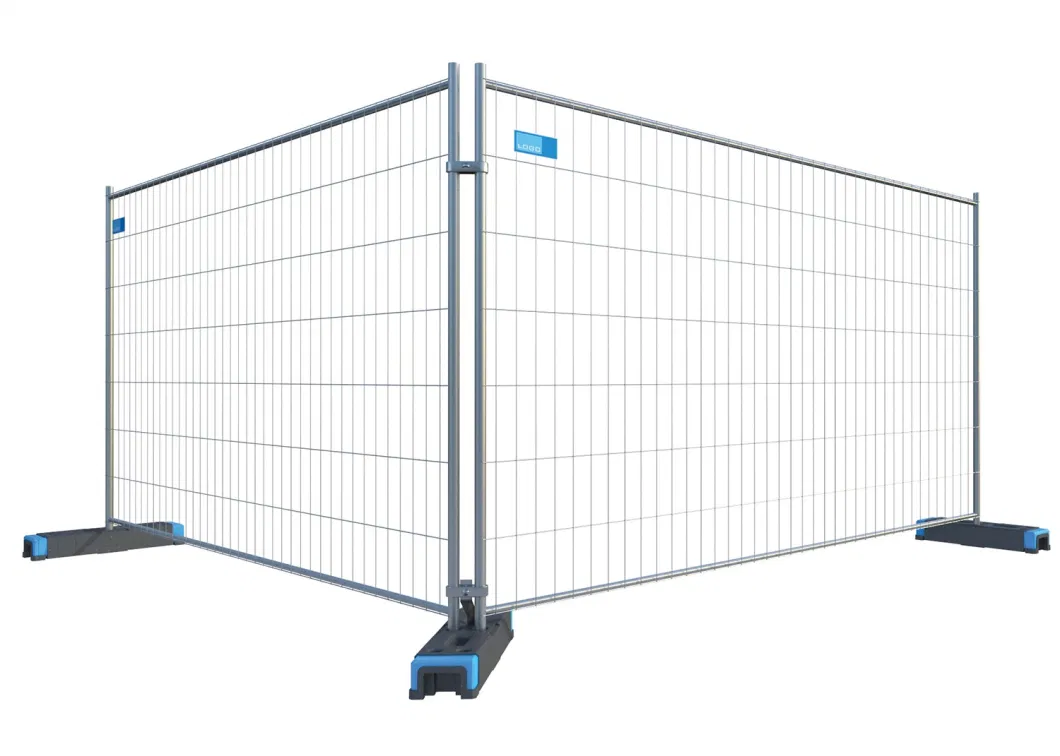
Post-welding, the fabricated fence panels undergo a crucial surface treatment: hot-dip galvanization. This process involves immersing the entire steel panel into a bath of molten zinc at approximately 450°C. The zinc forms a metallurgically bonded coating on the steel surface, providing an unparalleled level of corrosion protection. For Australia Temporary Fence systems, the minimum zinc coating thickness is typically 42 microns, ensuring longevity even in coastal or high-humidity environments. This superior corrosion resistance significantly extends the product's service life, reducing the need for frequent replacement and lowering overall operational costs for users. After galvanization, the panels are cooled and inspected for coating uniformity and adherence. Quality control is maintained through strict adherence to ISO 9001 standards, with specific checks on weld strength, dimensional accuracy, and zinc coating thickness. Destructive testing, such as salt spray tests, is also conducted periodically to validate the corrosion resistance of the finished product. The lifespan of a properly galvanized temporary fence can easily exceed 10-15 years, even under demanding outdoor conditions, making it a highly sustainable and cost-effective solution for industries such as petrochemical, metallurgy, and water treatment, where robust corrosion resistance and reliable demarcation are paramount. The meticulous attention to each step of this manufacturing process ensures that the final product not only meets but often exceeds the demanding performance expectations of the Australian market.
Technical Specifications and Parameters for Australia Temporary Fence
Understanding the precise technical parameters of an Australia Temporary Fence is essential for procurement specialists and project managers to ensure optimal performance and compliance. These specifications dictate the fence's strength, durability, and suitability for various applications. A standard panel typically measures 2.4 meters in length and 2.1 meters in height, providing a substantial barrier. The mesh infill is commonly a 60mm x 150mm anti-climb aperture, crafted from galvanized wire with an outer diameter of 4.0mm and an inner core of 3.0mm, enhancing rigidity and security. The frame, a critical structural element, is constructed from hot-dip galvanized pipe, often 32mm in outer diameter with a robust 1.5mm wall thickness, ensuring it can withstand significant external forces. These parameters are not arbitrary; they are meticulously calibrated to meet or exceed the performance requirements outlined in Australian Standard AS 4687-2007, which governs temporary fencing and hoardings. The standard dictates critical aspects such as wind loading resistance, impact resistance, and climb resistance, ensuring the fence maintains its integrity under typical site conditions.
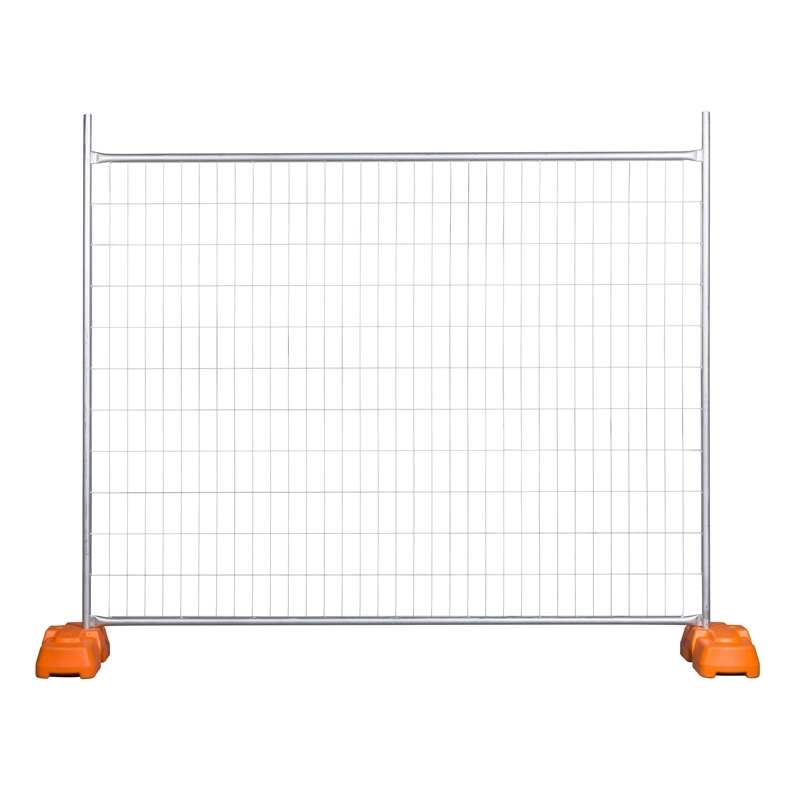
Beyond the primary panel specifications, the accompanying components are equally vital to the overall system's stability and functionality. The fence feet, often made from high-density polyethylene (HDPE) filled with concrete, typically weigh around 30kg, providing a stable base to prevent tipping, especially in windy conditions. Steel feet options are also available for specific site requirements. Connecting the panels are galvanized clamps, designed for quick and secure assembly, ensuring a contiguous and robust barrier. These clamps are engineered to prevent easy tampering and unauthorized disassembly. The superior hot-dip galvanized finish across all components guarantees a minimum zinc coating of 42 microns, significantly enhancing corrosion resistance and extending the fence's operational lifespan. This level of galvanization is crucial for applications in harsh coastal environments or industrial settings where exposure to corrosive elements is common. The adherence to these precise specifications ensures that an Australia Temporary Fence delivers consistent performance, reducing safety risks and providing a reliable security perimeter for any project or event. The table below details common specifications.
Standard Australia Temporary Fence Specifications
Versatile Applications and Unmatched Technical Advantages of Australia Temporary Fencing
The adaptability and robust design of Australia Temporary Fence systems make them indispensable across a multitude of sectors, extending far beyond conventional construction sites. In the bustling urban development landscape, these fences are crucial for securing building perimeters, managing pedestrian flow around hazardous zones, and protecting sensitive equipment. For large-scale public events, such as music festivals, sporting championships, and cultural gatherings, temporary fencing provides essential crowd control, defines restricted areas, and ensures public safety. In the mining and resources sector, particularly prevalent in regional Australia, temporary fencing is deployed to secure access to active work areas, delineate blasting zones, and protect environmental rehabilitation sites. Similarly, in agricultural contexts, these fences can offer temporary livestock control or property demarcation. The versatility stems from their modular design, allowing for rapid deployment and dismantling, making them ideal for dynamic environments where site layouts frequently change. Their ability to be easily reconfigured and reused across multiple projects significantly enhances their economic viability, offering substantial long-term savings compared to permanent installations.
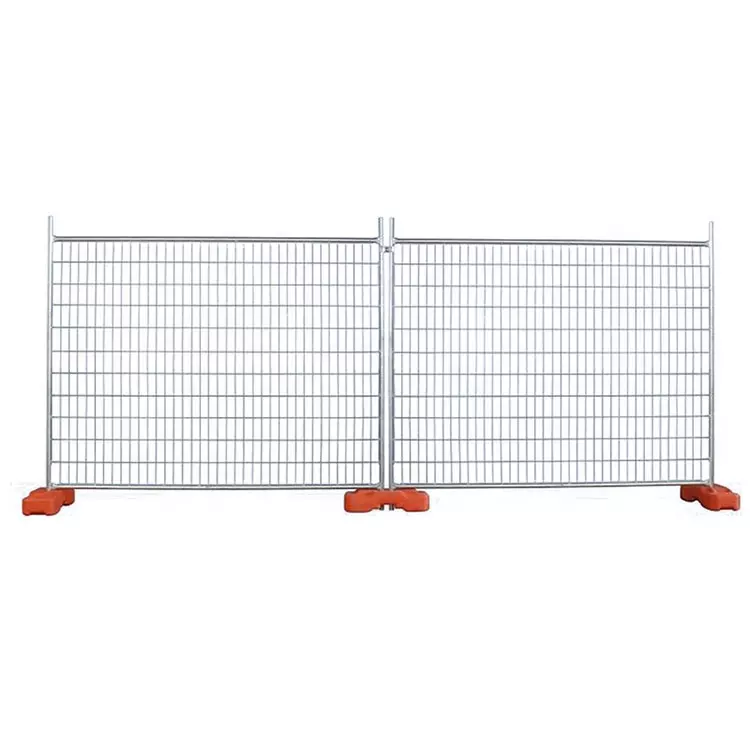
The technical advantages of a high-quality Australia Temporary Fence are numerous and directly contribute to enhanced site safety and operational efficiency. Foremost among these is their exceptional durability, primarily attributed to the hot-dip galvanization process that provides superior corrosion resistance against Australia's varied climates, from coastal humidity to arid inland conditions. This robust finish ensures a prolonged service life, minimizing maintenance and replacement costs. The anti-climb mesh design, typically with narrow apertures, deters unauthorized access and enhances security, a critical feature for high-risk sites. Furthermore, the robust frame structure and heavy-duty bases provide exceptional stability, capable of withstanding significant wind loads, a common challenge in open Australian landscapes. The ease and speed of installation and dismantling are also significant advantages, allowing for quick response to evolving site requirements and reducing labor costs. This rapid deployment capability is particularly beneficial for emergency site security or temporary demarcation needs. Unlike permanent fencing, temporary solutions offer flexibility, scalability, and reusability, making them a sustainable and cost-effective choice for short-to-medium-term projects. Feedback from major construction firms indicates that the reliability and compliance of these fences significantly mitigate risks associated with site security, preventing costly delays and ensuring adherence to stringent safety regulations.
Selecting the Right Supplier: Manufacturer Comparison and Customization for Australia Temporary Fence
Choosing the optimal supplier for Australia Temporary Fence solutions is a pivotal decision that directly impacts project safety, budget, and efficiency. When evaluating manufacturers, several key criteria must be meticulously assessed. Foremost is adherence to Australian Standards, particularly AS 4687-2007; a reputable manufacturer will provide verifiable certification and test reports confirming their products meet or exceed these benchmarks for panel strength, mesh integrity, and galvanization thickness. Experience and proven track record are also critical; vendors with extensive service years and a portfolio of successfully completed large-scale projects demonstrate reliability and deep industry understanding. Quality of materials is non-negotiable; inquiries should focus on the grade of steel used, the type and thickness of galvanization, and the durability of the fence feet and clamps. Manufacturers employing hot-dip galvanization processes compliant with ISO 1461 and AS/NZS 4680 will offer superior corrosion resistance and extended product lifespan. Furthermore, a comparison should extend to the manufacturer's production capacity and lead times, ensuring they can meet project deadlines, especially for urgent or large volume orders. Transparency in pricing, comprehensive technical support, and robust after-sales service including warranty provisions are indicators of a trustworthy and professional partner.
Beyond standard offerings, the ability to provide tailored customization solutions is a significant differentiator for an Australia Temporary Fence supplier. Many projects have unique requirements that cannot be met by off-the-shelf products. Customization options typically include varying panel heights and widths to fit specific site dimensions or security levels, adjusting mesh apertures for enhanced anti-climb properties, or incorporating specific corporate branding through custom color coatings or integrated signage brackets. For instance, some sites may require higher fences (e.g., 2.4m or 3.0m) for increased security, while others might need narrower panels for tight urban spaces. Customization extends to accessories such as vehicle gates, pedestrian gates, anti-climb extensions (barbed wire or razor wire attachments), and specialized bracing for high-wind areas. A skilled manufacturer can collaborate with clients to design bespoke solutions that integrate seamlessly with their operational needs and existing infrastructure. This level of flexibility not only optimizes functionality but also enhances site aesthetics and overall project professionalism. Engaging with a manufacturer who offers comprehensive design and engineering support for customized solutions ensures that the final fencing system is precisely aligned with project specifications and delivers maximum value.
Real-World Impact: Australia Temporary Fence Case Studies and Client Trust
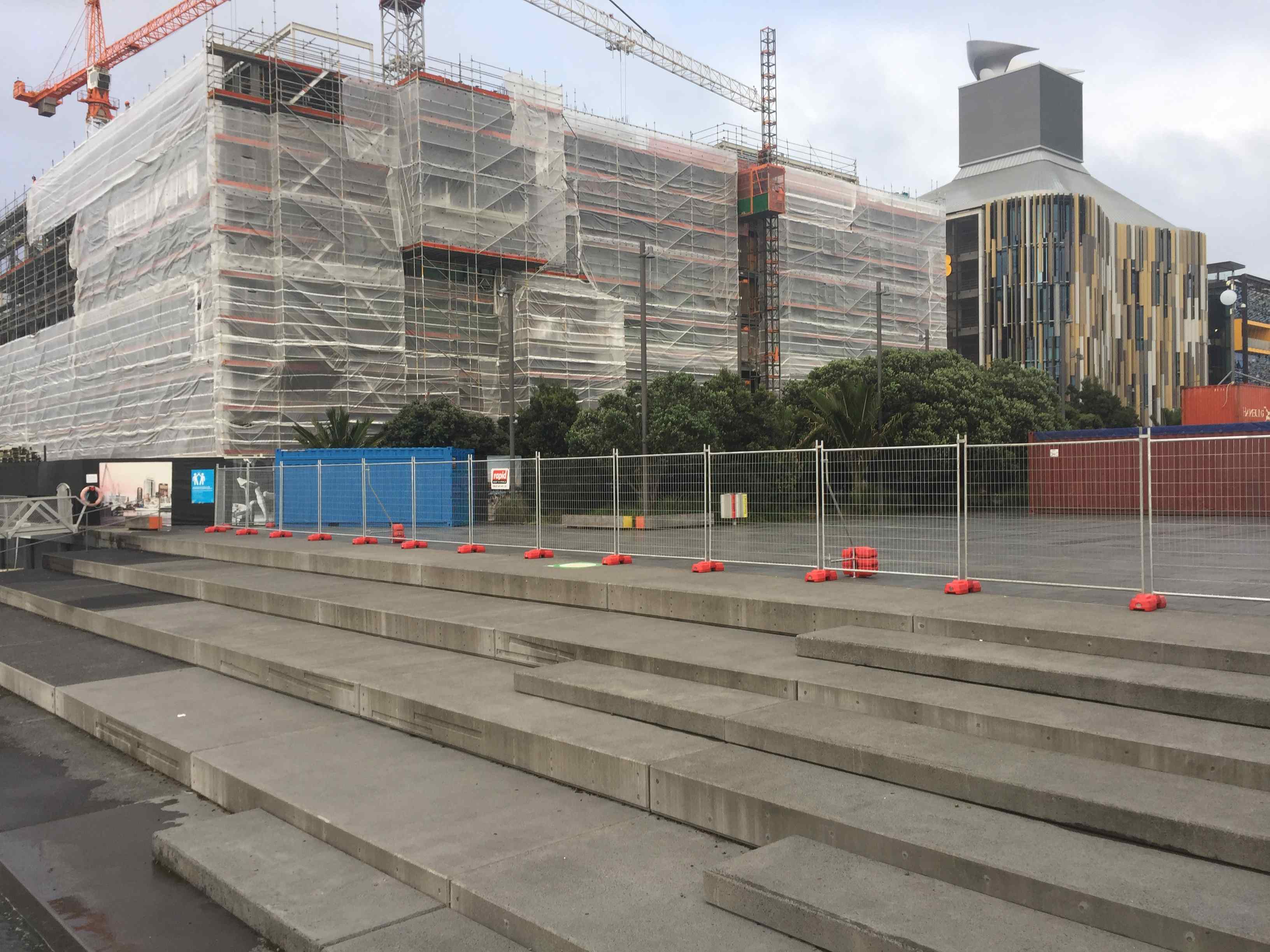
The practical utility and performance of Australia Temporary Fence systems are best illustrated through their successful deployment in real-world scenarios, demonstrating their vital role in ensuring safety, security, and operational continuity. Consider a large-scale urban regeneration project in Melbourne, where extensive temporary fencing was required to secure a multi-block construction site in a densely populated area. The challenge involved not only preventing unauthorized access but also minimizing disruption to pedestrian traffic and local businesses. By deploying high-visibility, anti-climb temporary fences with integrated pedestrian gates and custom signage, the project successfully maintained public safety while clearly delineating the construction zone. The ease of installation allowed for rapid site establishment, and the durability of the galvanized panels withstood the rigors of a multi-year project, receiving positive feedback from both site managers and local authorities for its effectiveness and minimal aesthetic impact. This exemplifies how a well-specified temporary fence solution can address complex logistical and safety challenges inherent in urban development.
Another compelling case study involves a major mining operation in Western Australia, where temporary fencing was essential for securing various operational areas, including blast zones, equipment storage, and rehabilitation sites. The extreme environmental conditions, characterized by high temperatures and corrosive dust, demanded fencing with superior durability and corrosion resistance. By opting for temporary fencing featuring robust hot-dip galvanization and heavy-duty bases designed for uneven terrain, the mining company achieved unparalleled site security and compliance with stringent safety protocols. The fences proved resilient against harsh weather and maintained their structural integrity over extended periods, significantly reducing maintenance requirements. Furthermore, for a prominent annual music festival held in regional Queensland, a comprehensive perimeter solution using Australia Temporary Fence panels was implemented. This allowed for effective crowd management, controlled entry points, and secured backstage areas, ensuring the safety of thousands of attendees and performers. The quick setup and dismantle times were critical for the event's tight schedule, highlighting the system's operational efficiency. These examples underscore the versatility, reliability, and critical contribution of high-quality temporary fencing to diverse industries, building client trust through proven performance and adherence to the highest safety and quality standards.
Frequently Asked Questions (FAQs) about Australia Temporary Fence
Q1: What is the primary standard for Australia Temporary Fence?
The primary standard governing temporary fencing and hoarding in Australia is AS 4687-2007. This standard sets out essential requirements for design, construction, installation, and performance, ensuring that temporary fencing solutions provide adequate safety and security. Compliance with AS 4687-2007 is crucial for all temporary fencing deployed on construction sites, public events, and other areas requiring controlled access. Manufacturers of high-quality Australia Temporary Fence systems will always ensure their products meet or exceed these regulatory benchmarks, often providing relevant certification.
Q2: How long does a hot-dip galvanized temporary fence typically last?
A properly hot-dip galvanized Australia Temporary Fence, with a zinc coating thickness of at least 42 microns, can have a service life exceeding 10-15 years, even in challenging outdoor environments. Hot-dip galvanization provides superior corrosion resistance by creating a metallurgical bond between the zinc and steel, protecting against rust and degradation. The actual lifespan can vary depending on environmental factors such as proximity to coastal areas, exposure to industrial pollutants, and the frequency of handling and transportation. Regular maintenance, though minimal, can further extend its operational life.
Q3: Can Australia Temporary Fence systems be customized?
Yes, high-quality Australia Temporary Fence systems are highly customizable to meet specific project requirements. Customization options can include varying panel heights (e.g., 2.1m, 2.4m, 3.0m) and widths, adjusting mesh sizes for specific security needs (e.g., tighter mesh for enhanced anti-climb features), and incorporating specialized accessories like gates (pedestrian and vehicle), barb wire extensions, or branding elements. Reputable manufacturers offer design consultation services to ensure that customized solutions precisely match client specifications and site conditions, maximizing functionality and effectiveness.
Q4: What is the typical delivery period for temporary fencing orders?
The typical delivery period for Australia Temporary Fence orders can vary based on quantity, customization requirements, and the manufacturer's current production schedule. For standard, in-stock items, delivery might range from 1-3 weeks. For larger orders or those requiring extensive customization, lead times could extend to 4-8 weeks or more, depending on manufacturing complexity and logistics. It is always recommended to discuss specific delivery timelines with your supplier at the time of inquiry to ensure alignment with project schedules. Reputable suppliers will provide clear communication regarding estimated dispatch and arrival dates.
Q5: What kind of warranty or after-sales support is offered?
Leading manufacturers of Australia Temporary Fence products typically offer a warranty period against manufacturing defects and material failures, often ranging from 5 to 10 years, particularly for the integrity of the hot-dip galvanized coating. Beyond the warranty, comprehensive after-sales support includes technical assistance for installation and maintenance, availability of spare parts (e.g., clamps, bases), and guidance on best practices for prolonged product life. It's advisable to clarify the specific terms of warranty and support services with your chosen supplier to ensure long-term peace of mind and operational continuity.
Delivery Logistics and Quality Assurance Commitment for Australia Temporary Fence
Efficient delivery logistics and unwavering quality assurance are cornerstones of a reliable supply chain for Australia Temporary Fence solutions. Understanding the typical delivery cycle is essential for project planning. For standard stock items, dispatch usually occurs within 3-7 business days of order confirmation, with transit times varying based on the destination within Australia. For larger, custom, or bulk orders, a production lead time of 2-4 weeks may apply before shipment, followed by freight delivery. Manufacturers often work with established logistics partners to ensure safe and timely delivery to diverse locations, from bustling city centers to remote mining sites. It is prudent for clients to provide accurate site access details and delivery windows to facilitate a smooth unloading process, minimizing potential delays and associated costs. Pre-shipment inspections are standard practice, ensuring that the quantity and quality of the fence panels and accessories match the order specifications before they leave the factory. This meticulous approach to logistics underpins the overall efficiency of project execution for clients.
The commitment to quality assurance for an Australia Temporary Fence extends through every stage, from raw material sourcing to final product delivery. Manufacturers adhere to stringent international and national quality standards, including ISO 9001 for quality management systems. This ensures consistent product quality and reliability. Comprehensive testing protocols are implemented, encompassing material composition analysis, weld strength verification, dimensional accuracy checks, and crucial non-destructive testing for galvanization thickness and adhesion (e.g., using magnetic induction or X-ray fluorescence). Batch testing, where a sample from each production run is subjected to rigorous performance tests, further guarantees conformity. For hot-dip galvanized products, adherence to AS/NZS 4680:2006 (Hot-dip galvanized (zinc) coatings on fabricated ferrous articles) is paramount, ensuring the minimum zinc coating weight and uniform coverage required for Australia's demanding climate. This robust quality control regimen, coupled with a transparent warranty against manufacturing defects and premature corrosion (often 5-10 years on the galvanization), provides clients with complete confidence in the product's longevity and performance. Dedicated customer support teams are also available to address any post-delivery queries or operational issues, reinforcing the commitment to client satisfaction and long-term partnership.
References and Authoritative Sources
- Standards Australia. (2007). AS 4687-2007 Temporary Fencing and Hoarding. Sydney, NSW: Standards Australia.
- Standards Australia. (2006). AS/NZS 4680:2006 Hot-dip galvanized (zinc) coatings on fabricated ferrous articles. Sydney, NSW: Standards Australia.
- International Organization for Standardization. (2017). ISO 9001:2015 Quality management systems — Requirements. Geneva, Switzerland: ISO.
- International Organization for Standardization. (1999). ISO 1461:1999 Hot-dip galvanized coatings on fabricated iron and steel articles — Specifications and test methods. Geneva, Switzerland: ISO.
- Australian Bureau of Statistics. (Various Years). Construction Work Done, Australia. Canberra, ACT: ABS. (Used for general market size understanding).
-
Ultimate Guide to Choosing the Right Sound Proof Barrier
NewsApr.16,2026
-
Effective Guide to Installing a Sound Deadening Fence for Peace
NewsApr.09,2026
-
Comprehensive Guide to Portable Sound Barrier Solutions for Noise Control
NewsApr.07,2026
-
Effective Outdoor Acoustic Barriers for Noise Reduction and Enhanced Wellbeing
NewsApr.04,2026
-
Effective Noise Cancelling Fence Solutions for Peaceful Living
NewsMar.31,2026
-
Enhancing Workplace Productivity with Effective Cubicle Sound Barriers
NewsMar.28,2026
Subscribe now!
Stay up to date with the latest on Fry Steeland industry news.