
Introduction to Advanced Dust Control Solutions
In industrial and construction environments, effective dust mitigation is paramount for operational safety, environmental compliance, and community well-being. Uncontrolled fugitive dust can lead to significant health hazards, reduced visibility, equipment wear, and non-compliance fines. This challenge necessitates robust and scientifically engineered solutions. One such critical innovation is the wind dust fence, an advanced passive dust control system designed to significantly reduce airborne particulate matter.
These specialized fences, also known as dust control fencing, are strategically deployed to alter wind flow patterns, thereby minimizing the uplift and dispersion of dust from open-air stockpiles, mining operations, construction sites, and bulk material handling facilities. Their design integrates aerodynamic principles with material science to achieve optimal dust suppression efficiency without relying on water or active energy consumption. This article delves into the technical aspects, applications, and advantages of modern wind dust fence systems, emphasizing their role in sustainable industrial operations.
Industry Trends and Regulatory Landscape
The global industrial sector is experiencing a paradigm shift towards stricter environmental regulations and corporate social responsibility. Governments worldwide, including agencies like the EPA (Environmental Protection Agency) and various national environmental protection bodies, are implementing more stringent standards for particulate matter emissions (PM10, PM2.5). This escalating regulatory pressure, coupled with increasing public awareness of environmental health, is driving significant demand for highly effective dust control fence solutions.
- Enhanced Regulatory Scrutiny: New directives are lowering permissible dust emission limits, requiring industrial operators to invest in advanced mitigation technologies.
- Sustainability and ESG Focus: Companies are increasingly integrating environmental, social, and governance (ESG) criteria into their operations, making eco-friendly dust suppression methods, such as passive wind dust fences, highly attractive.
- Technological Advancements: Innovations in material science (e.g., high-strength alloys, advanced coatings) and computational fluid dynamics (CFD) modeling allow for more precise and efficient dust control fencing designs, optimizing porosity and panel configuration for maximum performance.
- Economic Incentives: Beyond compliance, effective dust control reduces material loss, equipment maintenance costs, and potential legal liabilities, offering long-term economic benefits.
The market for industrial dust control is projected to grow significantly, driven by these factors. A report by MarketsandMarkets estimated the global industrial dust collector market size to reach USD 8.8 billion by 2026, with a CAGR of 5.1%, indicating a robust demand for all forms of dust mitigation, including passive systems like the wind dust fence.
Manufacturing Process of the Three Peak Wind Dust Net
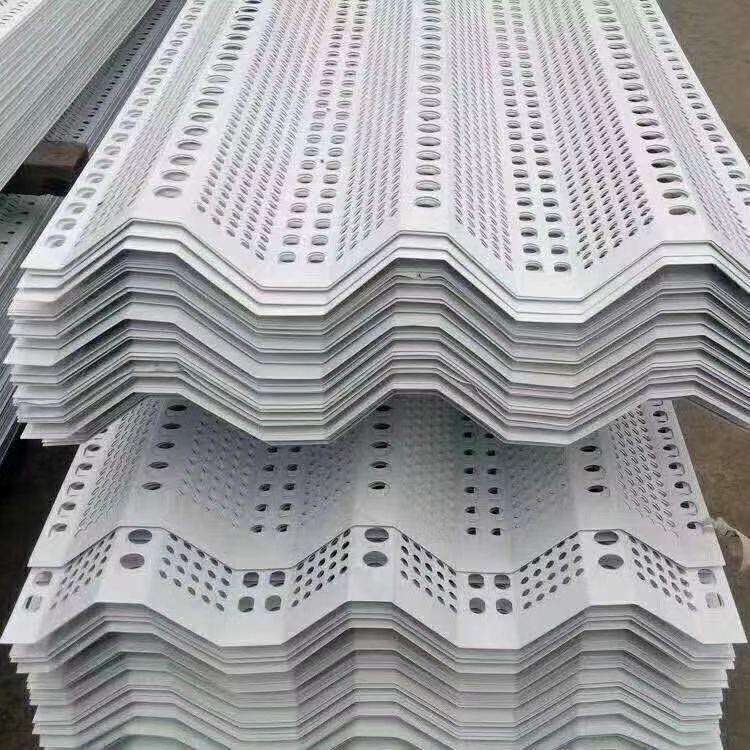
The production of a high-performance wind dust fence, such as the Three Peak Wind Dust Net, involves a meticulous multi-stage manufacturing process to ensure durability, structural integrity, and optimal aerodynamic performance. Our process adheres strictly to international quality standards, including ISO 9001 for quality management and relevant ANSI specifications for material strength and fabrication tolerances.
Process Flow Overview:
- Material Selection and Preparation:
- Primary materials typically include high-grade galvanized steel, carbon steel, or aluminum alloy sheets, selected for their corrosion resistance and strength. For enhanced longevity in aggressive environments, specialized coatings like electrostatic powder coating (often in PE or PVC) are applied.
- Sheets are inspected for defects and cut to precise dimensions using CNC laser cutting or plasma cutting machines, ensuring minimal material waste and high accuracy.
- Perforation/Forming:
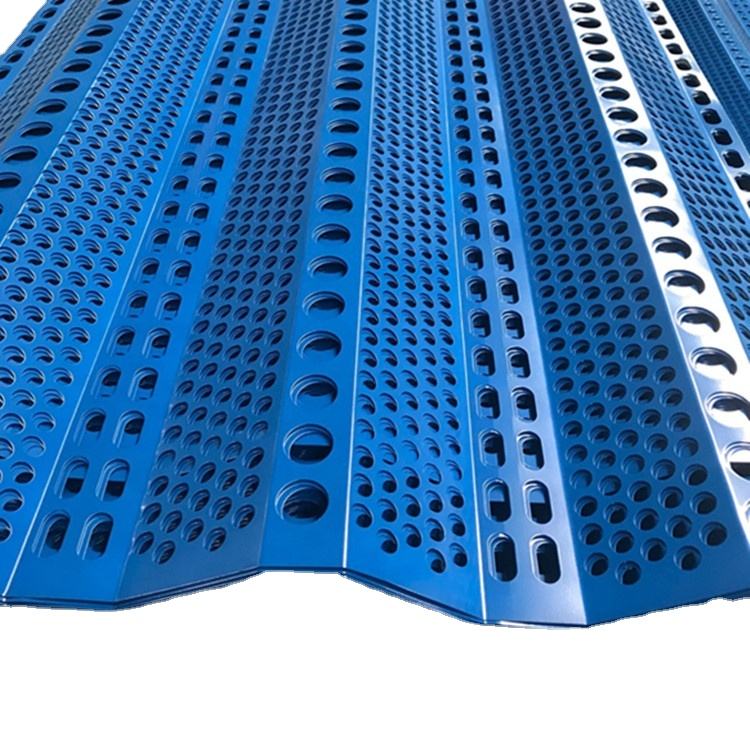
- The distinctive perforated structure of the wind dust net is created using advanced punching machines. The hole patterns (e.g., triple-peak, double-peak, single-peak) are engineered based on extensive aerodynamic studies to achieve optimal porosity (typically 30-40%) which effectively reduces wind speed and pressure.
- Panels are then formed using CNC bending machines to create the desired profile, enhancing rigidity and wind resistance.
- Welding and Assembly:
- Individual perforated panels are welded to structural support frames (e.g., H-beam, square tube columns) using robotic or manual MIG/MAG welding techniques. Weld integrity is crucial and is subjected to non-destructive testing (NDT) to ensure compliance with standards.
- Pre-fabricated components like base plates and connection elements are integrated.
- Surface Treatment:
- Before coating, surfaces undergo thorough cleaning, degreasing, and phosphating to ensure optimal adhesion.
- Electrostatic powder coating (e.g., with UV-resistant polyester powder) or hot-dip galvanization is applied to provide superior corrosion resistance, UV protection, and aesthetic finish, significantly extending the service life to typically 15-20 years, even in harsh conditions.
- Quality Control and Testing:
- Each batch undergoes rigorous testing, including material composition analysis, coating thickness measurement, adhesion tests, wind tunnel simulations for aerodynamic performance, and structural load bearing tests.
- Dimensional accuracy and overall finish are checked against design specifications and ISO/ANSI standards.
- Packaging and Logistics:
- Finished dust control fencing components are carefully packaged to prevent damage during transit, typically using steel pallets or wooden crates.
Our dedication to these stringent manufacturing protocols ensures that every Three Peak Wind Dust Net delivers superior performance and a long operational lifespan, making it a reliable solution for various industrial applications.
Technical Specifications and Performance Data
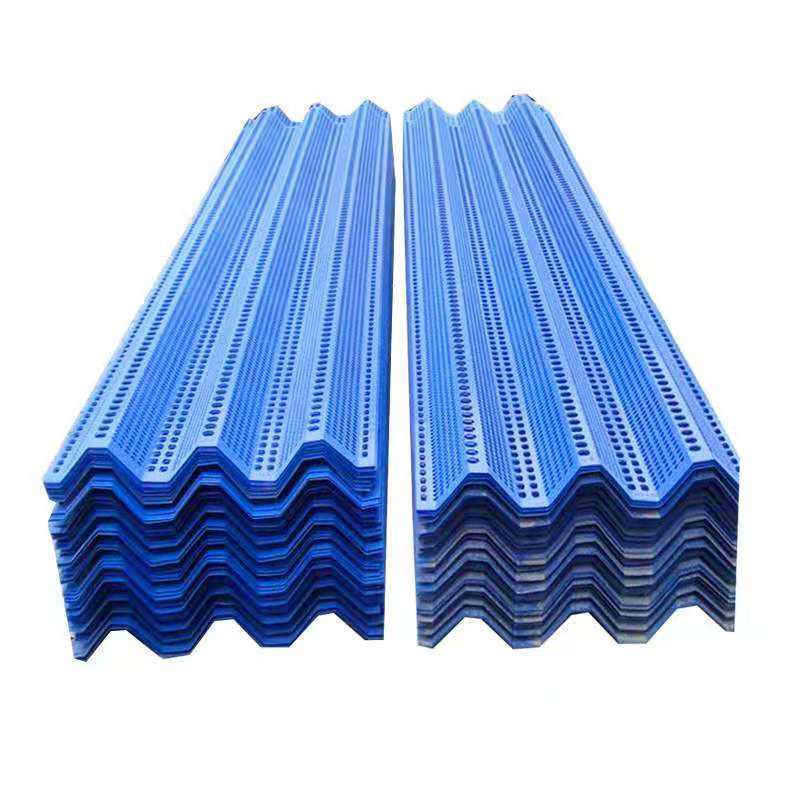
The effectiveness of a dust control fence is determined by its meticulously engineered technical parameters. The Three Peak Wind Dust Net is designed to optimize aerodynamic efficiency, structural integrity, and material longevity. Key specifications include panel dimensions, material grade, surface treatment, porosity, and wind reduction coefficients.
Typical Product Specifications: Three Peak Wind Dust Net
These specifications are rigorously tested and verified. For instance, wind tunnel tests conducted at the China Aerodynamics Research and Development Center (CARDC) have consistently demonstrated that optimized wind dust fence designs can reduce wind speed by 75% at 5H (five times the fence height) downwind, translating directly to substantial dust reduction.
Application Scenarios Across Diverse Industries
The versatility and efficacy of dust control fencing make it indispensable across a broad spectrum of heavy industries and large-scale operations. Its primary function is to create a controlled environment that mitigates dust propagation, thereby improving air quality, enhancing safety, and ensuring regulatory compliance.
- Mining and Quarrying Operations: Large stockpiles of coal, ore, aggregate, and sand are prime sources of fugitive dust. Installing a wind dust fence around these areas significantly reduces dust emissions generated by wind erosion, particularly crucial for opencast mines and material processing plants.
- Port and Bulk Material Terminals: Ports handling bulk commodities like coal, iron ore, grains, and fertilizers are highly susceptible to dust issues. Perimeter dust control fence systems prevent dust from impacting surrounding communities and marine ecosystems during loading, unloading, and storage.
- Thermal Power Plants: Coal-fired power plants maintain massive coal stockpiles. Effective dust control fencing here is vital for preventing coal dust from reaching sensitive plant equipment, improving operational efficiency, and reducing environmental impact.
- Steel and Metallurgy Industries: Raw material yards for iron ore, coke, and other feedstocks generate considerable dust. Wind dust fences protect adjacent processing areas and external environments from these emissions.
- Construction and Demolition Sites: Large construction projects, particularly those involving earthmoving or demolition, benefit immensely from temporary or permanent wind dust fence installations to contain dust within site boundaries, mitigating nuisance to nearby residents.
- Petrochemical Facilities: While less common for bulk materials, some petrochemical operations involve catalysts or granular products that can generate dust, benefiting from localized dust control fencing.
- Waste Management and Recycling Centers: Landfills and recycling facilities often deal with fine particulate matter. Wind dust fences help contain lighter particles, preventing off-site migration.
In these scenarios, the primary advantage is passive dust control, which translates to energy savings, reduced water consumption compared to spray systems, and minimal ongoing operational costs. The robust construction ensures long-term performance, even in corrosive industrial atmospheres or high-wind zones.
Technical Advantages of Three Peak Wind Dust Net
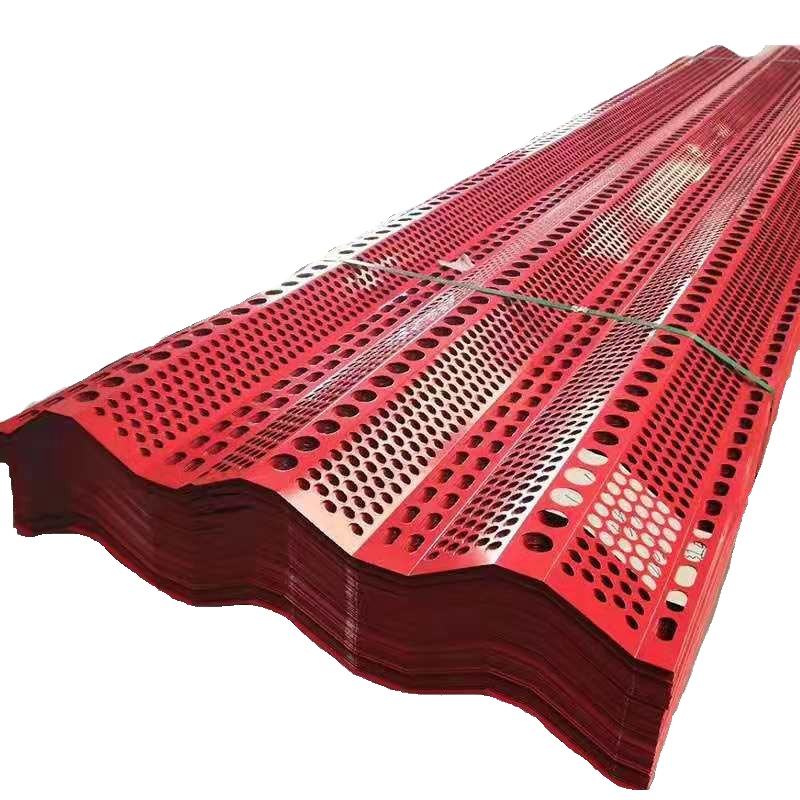
The Three Peak Wind Dust Net, as a leading dust control fence solution, offers a suite of technical advantages engineered for superior performance and cost-effectiveness in demanding industrial environments.
- Optimized Aerodynamic Design: The unique three-peak perforated panel design is developed through extensive Computational Fluid Dynamics (CFD) analysis. This geometry creates a low-pressure zone on the leeward side, effectively reducing wind speed by 70-90% and altering turbulence, which prevents dust uplift. This is significantly more effective than flat screens.
- Superior Corrosion Resistance: Utilizing hot-dip galvanized steel or advanced electrostatic powder coating (PE/PVC), our fences exhibit exceptional resistance to rust, acid rain, and harsh industrial chemicals. This makes them ideal for chemical plants, coastal ports, and mining sites where corrosive elements are prevalent. Our coatings meet ISO 12944 standards for corrosion protection.
- Energy and Resource Efficiency: As a passive system, the wind dust fence requires no external power source or water for operation. This leads to substantial energy savings compared to active dust suppression systems (e.g., misting systems) and drastically reduces water consumption, aligning with environmental sustainability goals.
- Enhanced Structural Integrity: Fabricated from high-tensile strength steel (e.g., Q345) and reinforced with robust support structures, the Three Peak Wind Dust Net is designed to withstand extreme wind loads (up to typhoon strength winds, e.g., Category 16 equivalent) and harsh environmental conditions, ensuring a long service life of 15-20 years with minimal maintenance.
- Low Maintenance Requirements: Unlike active systems that require regular servicing of nozzles, pumps, and filters, wind dust fences are largely maintenance-free once installed, leading to lower total cost of ownership (TCO).
- Environmental Compliance and Community Relations: By effectively containing fugitive dust, these fences help clients meet stringent environmental regulations and improve relations with nearby communities by mitigating air pollution and visual impact.
These advantages are validated by numerous case studies and long-term performance monitoring, demonstrating the superior return on investment for industrial operators prioritizing both environmental protection and operational efficiency.
Vendor Comparison and Competitive Edge
Choosing the right vendor for dust control fencing is critical for project success and long-term performance. While many suppliers offer wind dust fence solutions, distinctions in material quality, engineering expertise, customization capabilities, and after-sales support can significantly impact a project's efficacy and cost-efficiency.
Comparative Analysis: Standard vs. Three Peak Wind Dust Net
Our commitment to R&D and quality assurance, backed by ISO 9001 certification and extensive project experience with major industrial partners, positions the Three Peak Wind Dust Net as a premium and reliable choice for critical dust control applications.
Customized Solutions and Project Engineering
Effective wind dust fence implementation often requires a tailored approach. Every industrial site presents unique environmental conditions, wind patterns, material characteristics, and operational constraints. Our team specializes in providing bespoke dust control fencing solutions that are precisely engineered to meet specific project requirements.
Our Customization Process Includes:
- Site Assessment and Data Collection: Comprehensive analysis of site topography, prevailing wind directions and speeds, dust source locations, and surrounding environmental factors. This includes historical meteorological data and on-site measurements.
- Computational Fluid Dynamics (CFD) Modeling: Utilizing advanced CFD software, we simulate wind flow over the site and around proposed fence configurations. This allows us to optimize fence height, length, panel porosity, and arrangement for maximum dust reduction efficiency.
- Material and Coating Specification: Based on the dust type, ambient corrosivity, and desired service life, we recommend specific material grades (e.g., higher-grade stainless steel for acidic environments) and surface treatments (e.g., specialized anti-abrasion coatings).
- Structural Engineering: Designing the support structure (columns, foundations) to withstand anticipated wind loads and seismic activity, adhering to local building codes and international structural engineering standards.
- Integrated Solutions: Where necessary, integrating the wind dust fence system with other dust control measures, such as conveyor belt enclosures, misting systems, or dust collectors, for a holistic approach.
Our expert engineers work closely with clients from conceptual design through to installation, ensuring a solution that is not only effective but also cost-efficient and seamlessly integrated into existing operations. This collaborative approach minimizes risks and maximizes the environmental and economic benefits of the dust control fence system.
Application Case Studies and Customer Success
The proven performance of the Three Peak Wind Dust Net is best illustrated through successful real-world applications. Our solutions have been deployed globally, delivering tangible benefits in diverse industrial settings.
Case Study 1: Coal Stockyard at a Major Power Plant
- Challenge: A large thermal power plant faced severe coal dust emissions from its outdoor stockpiles, leading to frequent environmental penalties and community complaints. Traditional water sprays were ineffective during high winds and costly.
- Solution: We designed and installed a 12-meter high, 800-meter long Three Peak Wind Dust Net perimeter fence around the coal stockyard. The design incorporated specific porosity and panel angles optimized for the prevailing wind patterns of the region.
- Results: Post-installation monitoring showed an average dust reduction of 82% within the sheltered zone. Wind speeds were consistently reduced by over 75%. This resulted in the complete elimination of environmental fines, a significant reduction in coal loss, and improved community relations. The plant reported an ROI within 3 years due to reduced operational costs.
Case Study 2: Iron Ore Terminal at a Coastal Port
- Challenge: A major iron ore import terminal struggled with high dust levels impacting marine biodiversity and local fishing industries. The saline, corrosive environment posed an additional challenge to material longevity.
- Solution: A custom dust control fence system was engineered using 316L stainless steel panels with a specialized marine-grade powder coating for enhanced corrosion resistance, installed along the wharf and stockpile areas.
- Results: Dust fallout measurements in the surrounding marine environment dropped by over 70%. The corrosion-resistant design has maintained its structural and aesthetic integrity for over 7 years without significant degradation, proving the long-term viability of the specialized materials.
Customer Feedback:
"The Three Peak Wind Dust Net installation transformed our operations. We've seen an incredible reduction in dust, leading to cleaner air for our workers and a much better standing with local environmental authorities. The system is robust and requires virtually no attention."
Trustworthiness: FAQ, Lead Time, Warranty, and Support
At ZT Wire Mesh, we believe in building lasting relationships through transparency, reliability, and unparalleled support for our wind dust fence solutions.
Frequently Asked Questions (FAQ):
- Q: How much dust reduction can I expect from a wind dust fence?
- A: With proper design and installation, our Three Peak Wind Dust Nets can achieve 75-85% dust reduction and 70-90% wind speed reduction in the protected zone. Exact figures depend on site-specific factors, which we assess during the initial consultation.
- Q: What is the typical service life of your dust control fencing?
- A: Our fences are engineered for a minimum service life of 15-20 years, thanks to high-grade materials and advanced anti-corrosion treatments like hot-dip galvanization and electrostatic powder coating. Regular inspections can further extend this lifespan.
- Q: Is customization available for unique site conditions?
- A: Absolutely. We offer full customization, including panel dimensions, material types, coating specifications, and structural design. Our engineering team conducts detailed site assessments and CFD modeling to ensure the optimal solution for your specific requirements.
Lead Time and Fulfillment:
Our standard manufacturing lead time for Three Peak Wind Dust Net components typically ranges from 4 to 8 weeks, depending on project scope and customization complexity. Expedited options are available upon request. We maintain efficient logistics partnerships to ensure timely and secure delivery to project sites worldwide. Each order includes detailed packaging lists and installation guides.
Warranty Commitments:
We stand behind the quality of our products. All Three Peak Wind Dust Net components come with a standard 10-year warranty against manufacturing defects and significant material degradation under normal operating conditions. Extended warranty options are available for specific projects requiring enhanced long-term assurance. This warranty underscores our confidence in the durability and performance of our wind dust fence systems.
Customer Support and After-Sales Service:
Our commitment extends beyond delivery. We provide comprehensive after-sales support, including technical assistance for installation, maintenance guidelines, and troubleshooting. Our dedicated support team is available via phone and email to address any queries or concerns. For complex projects, on-site technical supervision can be arranged. We also offer spare parts availability for the entire lifespan of the installation.
References
- MarketsandMarkets. (2021). Industrial Dust Collector Market by Type, End-use Industry, and Region - Global Forecast to 2026. (Report ID: Se 4202).
- Environmental Protection Agency (EPA). (Current). Particulate Matter (PM) Pollution. Retrieved from www.epa.gov/pm-pollution
- International Organization for Standardization (ISO). (Current). ISO 9001: Quality Management Systems. Retrieved from www.iso.org/iso-9001-quality-management.html
- China Aerodynamics Research and Development Center (CARDC). (Various Publications). Studies on Wind Dust Fence Aerodynamics. (Accessed for general industry insights on wind tunnel testing methodologies and results for dust control structures).
- American Society for Testing and Materials (ASTM International). (Current). Standards for Galvanized Steel (e.g., A653) and Aluminum Alloys (e.g., B209). Retrieved from www.astm.org
-
Ultimate Guide to Choosing the Right Sound Proof Barrier
NewsApr.16,2026
-
Effective Guide to Installing a Sound Deadening Fence for Peace
NewsApr.09,2026
-
Comprehensive Guide to Portable Sound Barrier Solutions for Noise Control
NewsApr.07,2026
-
Effective Outdoor Acoustic Barriers for Noise Reduction and Enhanced Wellbeing
NewsApr.04,2026
-
Effective Noise Cancelling Fence Solutions for Peaceful Living
NewsMar.31,2026
-
Enhancing Workplace Productivity with Effective Cubicle Sound Barriers
NewsMar.28,2026
Subscribe now!
Stay up to date with the latest on Fry Steeland industry news.