

Understanding Galvanized Field Fence: A B2B Perspective on Performance and Durability
In the demanding sectors of agriculture, infrastructure development, and wildlife management, the critical need for durable, cost-effective, and highly reliable perimeter solutions cannot be overstated. The Galvanized field fence stands as a paramount product, delivering exceptional performance across an extensive range of applications. This comprehensive guide is meticulously crafted for B2B decision-makers and engineering professionals, offering deep insights into its technical specifications, intricate manufacturing processes, strategic advantages, and prevailing market dynamics. Our objective is to serve as an authoritative resource, highlighting the indispensable role of advanced materials and robust manufacturing methodologies in producing superior fencing solutions that meet rigorous industry standards.
The judicious selection of fencing directly influences operational efficiency, enhances security protocols, and profoundly impacts the long-term cost of ownership. This document specifically focuses on illuminating why high-quality Galvanized field fence represents an optimal, high-value investment for critical infrastructure and agricultural containment requirements, emphasizing its longevity and minimal maintenance demands.
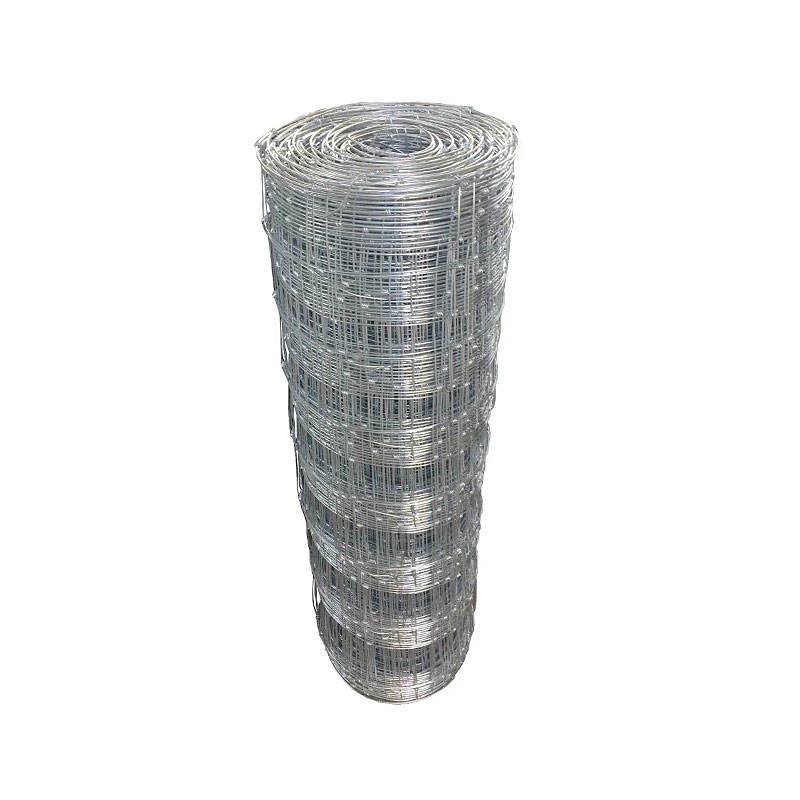
Industry Trends and Market Dynamics Shaping Galvanized Field Fence Demand
The global market for perimeter security solutions is in a perpetual state of evolution, influenced significantly by factors such as fluctuating raw material costs, an increasing global emphasis on sustainability, and rapid technological advancements. Key trends that are profoundly impacting the demand, design, and technical specifications of Galvanized field fence products include:
- Sustainable Sourcing and Production: There is a burgeoning demand for products manufactured through environmentally responsible processes, including highly efficient galvanization techniques that meticulously minimize zinc consumption and waste generation, aligning with global ecological mandates.
- Enhanced Corrosion Protection: A discernible market shift towards specifying heavier zinc coatings, such as Class 3 per ASTM A641, is evident. This aims to significantly extend the service life of fences in aggressive environmental conditions, thereby reducing the frequency of costly replacements and lowering long-term operational expenditures. This enhancement is particularly critical in coastal regions or areas characterized by high atmospheric humidity and salinity.
- Smart Fencing Integration: While inherently a passive barrier, there is an emerging trend towards integrating traditional fencing like Galvanized field fence with advanced active security measures. This includes the incorporation of sensors, surveillance cameras, and sophisticated monitoring systems, especially for the robust protection of high-value assets and sensitive perimeters.
- Customization and Specialty Products: We observe an increasing volume of requests for highly customized mesh configurations, precise wire gauges, and specific fence heights. These tailored solutions are designed to meet highly specific containment or exclusion requirements for diverse animal types, varying security levels, or unique geographical challenges.
- Automation in Installation: Ongoing advancements in fence installation equipment are driving the demand for consistently high-quality, uniformly manufactured fence rolls. These rolls are engineered for easier and faster deployment, which directly translates into minimized labor costs and accelerated project completion times.
These overarching trends clearly illustrate a dynamic market that not only values the foundational strength and inherent durability of galvanized steel but also increasingly demands superior performance, greater environmental accountability, and enhanced adaptability. According to a recent comprehensive market analysis by Grand View Research, the global fencing market is projected to reach approximately USD 50.1 billion by 2027, with metal fencing components, including hot-dip galvanized options, retaining a substantial market share owing to their proven longevity, robust performance, and superior cost-effectiveness over their operational lifespan.
Manufacturing Process: From Raw Material to Resilient Galvanized Field Fence
The exceptional performance and extended service life of a high-quality Galvanized field fence are direct results of a scrupulously detailed manufacturing process. This process is engineered to ensure paramount structural integrity and unparalleled corrosion resistance. Our production methodologies adhere rigorously to stringent international quality standards, notably ISO 9001 for comprehensive quality management systems, guaranteeing unwavering consistency and reliability across every manufactured product batch.
Detailed Process Flow (Schematic Steps):
- 1. Wire Rod Procurement: The process commences with the acquisition of premium-grade steel wire rod, typically composed of low-carbon steel (e.g., SAE 1008 or 1010), which strictly conforms to ASTM A510 standards. The precise chemical composition of this raw material is absolutely critical for achieving the optimal balance of tensile strength and ductility, attributes essential for subsequent wire drawing and intricate knotting operations.
- 2. Wire Drawing: The selected steel rod then undergoes a cold drawing process. During this stage, its diameter is progressively reduced through a series of precision dies until the desired wire gauges (ranging, for instance, from 9 ga to 14 ga) are achieved. This cold-working process effectively work-hardens the steel, significantly enhancing its tensile strength to meet or exceed the rigorous specifications outlined in ASTM A641 for zinc-coated carbon steel wire.
- 3. Hot-Dip Galvanization (HDG): This is the pivotal step that imparts the fence's renowned corrosion resistance. The drawn wire is subjected to a comprehensive pre-treatment regimen, involving thorough cleaning via pickling (an acid bath) to eliminate all rust and scale, followed by meticulous rinsing and fluxing to chemically prepare the steel surface for optimal zinc adhesion. Subsequently, the wire is immersed in a bath of molten zinc, maintained at approximately 450°C (840°F), comprising 99.99% pure zinc. A robust metallurgical bond forms between the steel substrate and the molten zinc, creating a series of protective zinc-iron alloy layers (typically gamma, delta, and zeta phases), which are then capped by a dense outer layer of pure zinc. This entire galvanization process strictly adheres to ASTM A116 and ASTM A90/A90M standards for zinc coating weight and adhesion. We offer various coating classes, including Class 1 (standard coating) and Class 3 (heavy-duty coating), to cater to specific service life and environmental demands.
- 4. Weaving/Knotting: Post-galvanization, the coated wires are expertly woven into the specified field fence patterns using highly specialized, automated machinery. Predominant knot types include the Hinge-Joint and the Fixed-Knot designs. The hinge-joint configuration provides flexibility, allowing the fence to yield on impact and conform to uneven terrain. Conversely, the fixed-knot offers superior rigidity and strength, rendering it ideal for high-pressure livestock containment or challenging topographies. Our state-of-the-art weaving machines ensure uniform mesh spacing and consistent knot integrity, which are paramount for preventing animal entanglement and maintaining overall structural stability.
-
5. Quality Control and Rigorous Testing: Throughout every stage of the manufacturing process, stringent quality control checks are meticulously performed. These include:
- Precision verification of wire diameter using calibrated micrometers.
- Tensile strength testing conducted with universal testing machines, conforming to ASTM A370 standards.
- Accurate measurement of zinc coating thickness and weight using X-ray fluorescence (XRF) or gravimetric methods, as per ASTM A90/A90M.
- Thorough inspection of knot integrity and mesh uniformity to ensure consistent performance.
- Verification of overall fence height and roll length to meet product specifications.
- 6. Packaging and Dispatch: The finished Galvanized field fence rolls are tightly wound, securely fastened, and meticulously labeled. They are then prepared for shipment, ensuring optimal protection during transit and storage, ready for deployment in diverse projects worldwide.
Our unwavering emphasis on superior material quality and precision manufacturing techniques guarantees that the resultant Galvanized field fence delivers exceptional durability. It boasts a typical service life of 20-30 years in moderate environmental conditions (contingent on the specified zinc coating class), coupled with outstanding resistance to corrosion. This directly translates into significant long-term savings through reduced maintenance requirements and diminished replacement cycles for key target industries such as agriculture, forestry, and critical infrastructure development, exemplifying true cost-efficiency.
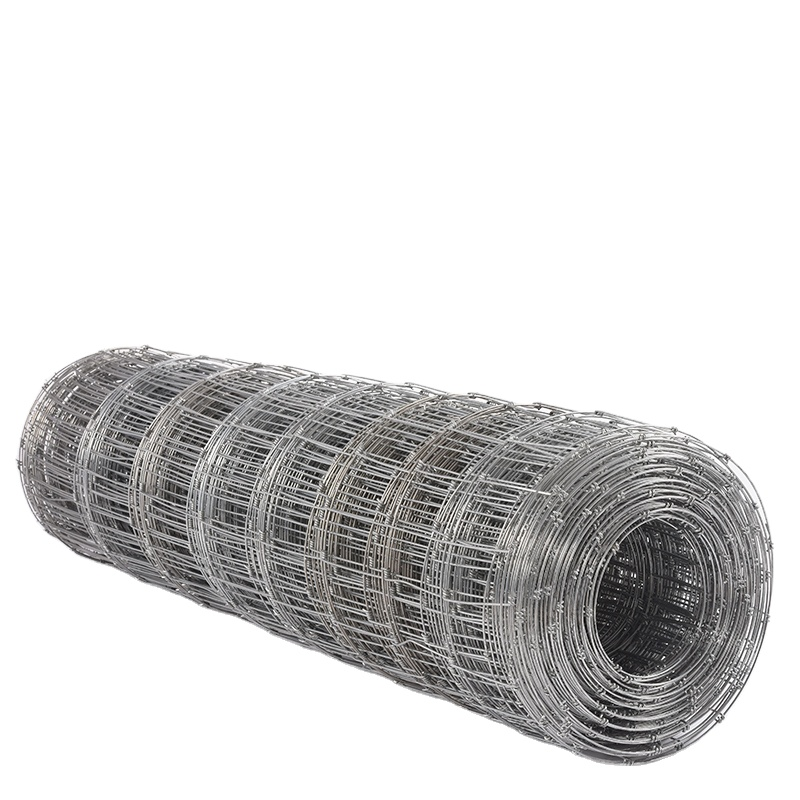
Technical Specifications and Performance Parameters of Galvanized Field Fence
The intrinsic performance capabilities of a Galvanized field fence are meticulously defined by its core technical specifications. A thorough understanding of these parameters is absolutely essential for making an informed decision and selecting the most appropriate product tailored to specific application demands and environmental challenges.
Standard Product Specifications:
| Parameter | Description | Typical Range / Value | Relevant Standard |
|---|---|---|---|
| Wire Gauge (Top/Bottom) | Diameter of heavy-duty line wires at the top and bottom of the fence for structural integrity. | 10 - 12.5 gauge (2.69 - 2.49 mm) | ASTM A641 |
| Wire Gauge (Intermediate) | Diameter of internal horizontal and vertical wires, balancing strength and flexibility. | 12.5 - 14 gauge (2.49 - 2.03 mm) | ASTM A641 |
| Zinc Coating Type | Primary method of galvanization employed to protect the steel from corrosion. | Hot-Dip Galvanized (HDG) | ASTM A116, ASTM A641 |
| Zinc Coating Class | Minimum specified weight of zinc per unit area, directly correlating to corrosion resistance and service life. | Class 1 (0.28 oz/ft²), Class 3 (0.80 oz/ft²) | ASTM A641 (Approx. 85g/m² for Class 1, 244g/m² for Class 3) |
| Tensile Strength | The maximum stress the wire can endure before permanent deformation or breaking, indicative of its load-bearing capacity. | Min. 400 MPa (58,000 PSI) for low carbon steel wire | ASTM A370 |
| Knot Type | Method of securely joining horizontal and vertical wires, influencing fence rigidity and flexibility. | Hinge-Joint, Fixed-Knot, Square-Knot | N/A (Design Specific) |
| Fence Height | The overall vertical dimension of the fence roll, selected based on containment requirements. | 32 inches to 78 inches (0.8 m to 2.0 m) | N/A (Application Specific) |
| Mesh Spacing (Graduated) | Varying vertical spacing between horizontal wires, typically tighter at the bottom and wider at the top, to contain diverse animal sizes. | E.g., 6" x 3", 6" x 6", 6" x 12" (bottom to top) | N/A (Design Specific) |
| Roll Length | Standardized length of a single fence roll for ease of handling and installation. | 100 ft (30.5 m), 330 ft (100 m) | N/A (Packaging Specific) |
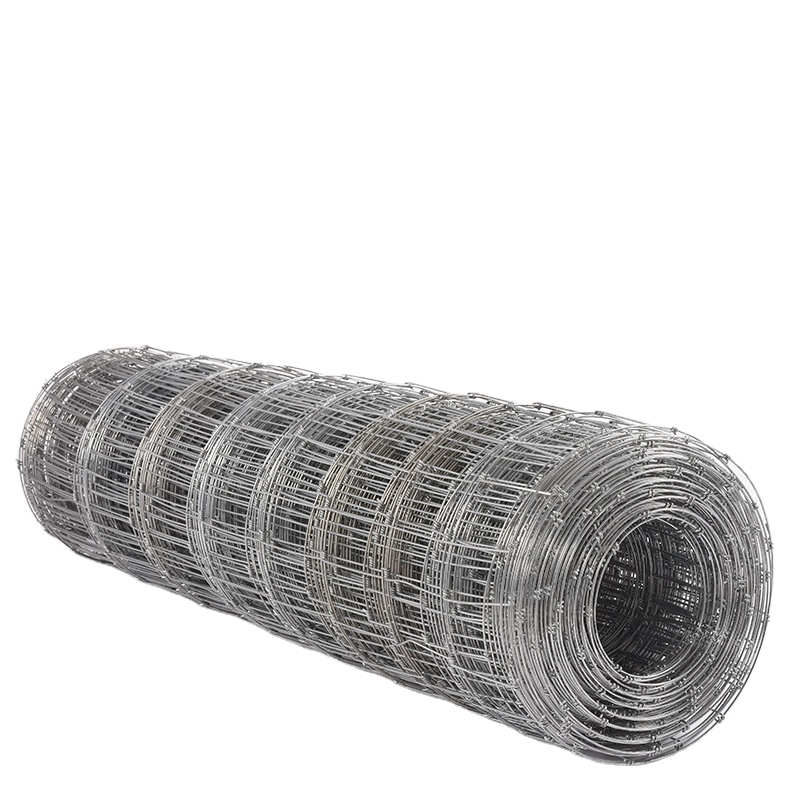
Application Scenarios and Strategic Advantages of Galvanized Field Fence
The inherent versatility and robust characteristics of Galvanized field fence position it as an indispensable solution across a broad spectrum of industries and specialized application scenarios. Its sophisticated design is meticulously optimized for highly effective containment and exclusion, offering substantial operational and economic advantages over conventional fencing alternatives.
Key Target Industries and Applications:
- Agriculture and Livestock Management: Absolutely essential for establishing secure and safe enclosures for a wide range of livestock, including cattle, sheep, goats, and horses. Graduated mesh designs are particularly effective, allowing for the secure containment of smaller animals while simultaneously preventing larger livestock from breaching the perimeter.
- Forestry and Wildlife Conservation: Extensively utilized for deer exclusion, safeguarding vulnerable young tree plantations, and delineating critical wildlife corridors. The robust structural integrity actively deters larger animals, while closely spaced bottom wires effectively prevent the ingress of smaller critters.
- Infrastructure Development and Security: Serves as crucial perimeter fencing for large-scale construction sites, solar energy farms, critical utility substations, and along road margins to effectively deter unauthorized access and protect valuable equipment. Its extended service life significantly reduces the need for costly maintenance interventions, particularly in remote or expansive project locations.
- Horticulture and Viticulture: Provides vital protection for orchards and vineyards, shielding valuable crops from significant damage caused by deer, rabbits, and other detrimental pests, thereby preserving yields and profitability.
- Large-Scale Residential and Commercial Properties: While more prevalent in expansive rural settings, it is also highly effective for delineating large property boundaries, particularly where a utilitarian yet exceptionally robust and reliable barrier is the primary requirement.
Strategic Advantages in Typical Application Scenarios:
- Unparalleled Corrosion Resistance: The hot-dip galvanization process forms an exceptionally durable zinc coating, offering superior, long-lasting protection against rust, oxidation, and weathering, even in the most aggressive outdoor environmental conditions. This significantly extends the fence's operational service life, drastically reducing the necessity for expensive replacements and continuous maintenance over several decades.
- High Tensile Strength and Structural Integrity: Engineered with high-strength steel wires, particularly when featuring fixed-knot designs, this fencing system actively resists stretching, sagging, and impact damage from large livestock or aggressive wildlife. This ensures that its structural integrity and containment effectiveness are meticulously maintained over its extensive lifespan.
- Exceptional Adaptability to Varied Terrain: The inherent flexibility of the woven design facilitates effortless installation over undulating, uneven, and challenging terrains without any compromise to its protective efficacy. This remarkable adaptability results in substantial savings in labor costs and significantly reduces the need for extensive site preparation, a distinct advantage over rigid panel fencing systems.
- Superior Cost-Effectiveness (Total Cost of Ownership): While the initial capital investment may be marginally higher than non-galvanized or less robust alternatives, the substantially extended lifespan (up to 20-30 years for Class 3 coatings) and minimal ongoing maintenance requirements translate into a significantly lower total cost of ownership (TCO) over the project's duration.
- Enhanced Safety and Security Features: The thoughtfully designed graduated mesh patterns are specifically engineered to prevent animal entanglement and to effectively deter predators, thereby significantly enhancing the safety and welfare of both livestock and local wildlife. For critical infrastructure, it establishes a robust, enduring physical security barrier.
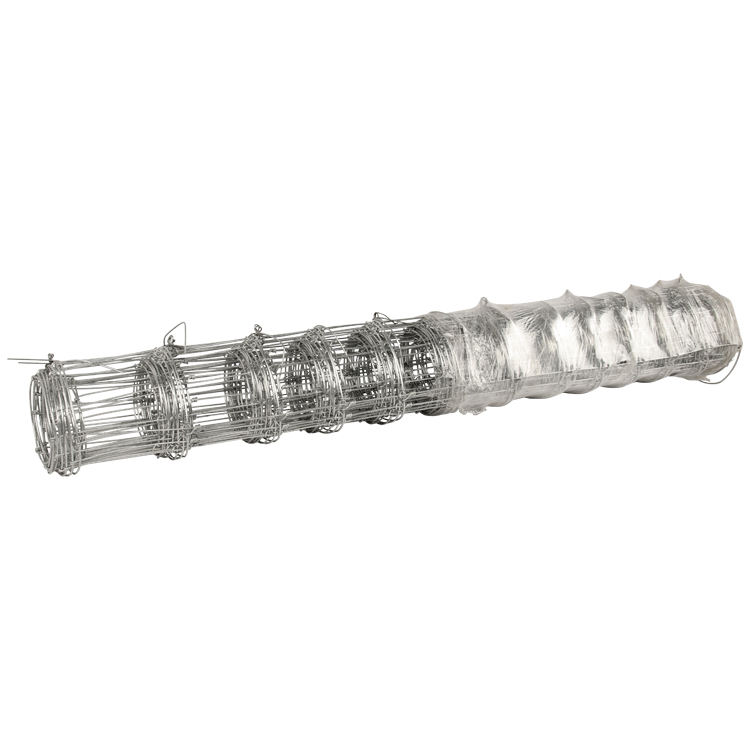
Vendor Comparison: Key Differentiators for Galvanized Field Fence Procurement
Selecting the optimal supplier for your Galvanized field fence requirements is a critical decision that profoundly impacts long-term project success and aids in minimizing unforeseen costs. While a multitude of vendors offer seemingly similar products, subtle yet significant variations in manufacturing processes, rigorous quality assurance protocols, and the level of post-sales service can lead to considerable discrepancies in product performance and overall longevity. The following comparison table meticulously highlights key attributes essential for a comprehensive B2B procurement evaluation.
Strategic Vendor Comparison Table:
| Feature/Criterion | Premium Vendor (e.g., ZT Wire Mesh) | Standard Vendor | Economy Vendor |
|---|---|---|---|
| Zinc Coating Class Offered | Comprehensive range, including Class 1 and Class 3 (heavy-duty for maximum lifespan). | Primarily Class 1, limited options for heavier coatings. | Often Class 1 or below, with inconsistent and potentially lower nominal thickness. |
| Wire Material Quality | Exclusive use of virgin, high-grade steel (SAE 1008/1010) ensuring consistent mechanical properties. | Standard industrial-grade steel, occasionally incorporating recycled content. | Highly variable material quality, often leading to lower tensile strength and ductility. |
| Knot Type Durability | Fixed-Knot and robust Hinge-Joint designs, engineered for superior integrity and longevity under stress. | Primarily Hinge-Joint, with varying degrees of knot strength and consistency. | Basic Hinge-Joint, often exhibiting weaker points and susceptibility to unraveling. |
| Quality Certifications | ISO 9001 certified, with documented and verifiable ASTM-compliant testing records. | Basic internal Quality Control, often with limited or no external third-party certifications. | Minimal or non-existent documentation, often relying on self-declared quality statements. |
| Customization Options | Extensive customization capabilities (wire gauge, height, mesh patterns, coating levels, specialized finishes). | Limited standard variations, often requiring higher minimum order quantities for modification. | Virtually no customization, primarily offering off-the-shelf, standard products. |
| Warranty & Technical Support | Comprehensive, multi-year warranty, coupled with dedicated, highly responsive technical support. | Standard 1-year limited warranty, with basic, often reactive customer support. | Very limited or no explicit warranty, with minimal or often non-existent post-sales support. |
| Typical Lead Time | 4-6 weeks for custom orders, 1-2 weeks for standard stock items. Highly flexible to project timelines. | Generally 6-8 weeks for custom, less flexibility, and potential delays. | Highly variable and often prolonged, especially for specific non-standard items. |
The strategic decision to partner with a premium vendor that unequivocally prioritizes superior quality in raw materials, meticulously controlled manufacturing processes, and offers robust, proactive support services can significantly mitigate risks. This approach safeguards against premature product failure, curtails higher long-term maintenance costs, and ensures the uncompromised security effectiveness over the entire operational lifespan of the Galvanized field fence.
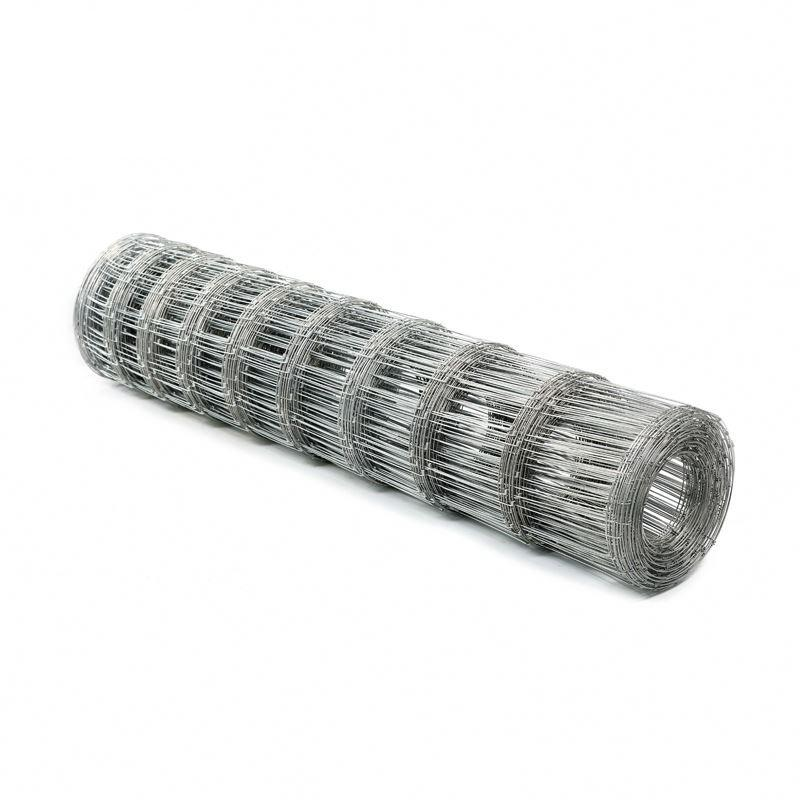
Customized Solutions and Real-World Application Case Studies
While our standard Galvanized field fence products proficiently address a wide array of general requirements, many complex B2B projects inherently demand highly tailored solutions. Our advanced manufacturing capabilities extend to comprehensive customization, meticulously ensuring that every fence product precisely aligns with the unique and specific demands of each application. This bespoke approach consistently optimizes both performance metrics and overall cost-efficiency for our valued clients.
Extensive Customization Options:
- Tailored Wire Gauge and Tensile Strength: We meticulously adjust wire diameters and precise steel specifications to meet distinct load-bearing requirements, such as those necessary for containing large, powerful livestock or withstanding the impact of high-pressure wildlife.
- Custom Fence Height and Roll Length: We produce custom fence heights to precisely match specific containment or exclusion targets (e.g., exceptionally tall fences for deer, lower profiles for sheep), and also provide customized roll lengths to minimize the number of splices and reduce material waste on expansive projects.
- Precision Mesh Spacing and Graduations: Our expertise includes designing unique graduated mesh patterns to effectively manage specific combinations of small and large animals or to fulfill highly specialized security requirements.
- Optimized Knot Type Selection: We provide expert guidance on, and subsequent manufacturing of, either Hinge-Joint for enhanced flexibility or Fixed-Knot for superior rigid strength, making recommendations based on the specific terrain characteristics, anticipated animal pressure, and desired long-term durability.
- Targeted Zinc Coating Class: We offer the precise provision of specific Class 1, Class 2, or Class 3 galvanization levels. This allows for optimal customization based on the anticipated environmental corrosivity and the client's desired service life, thereby meticulously balancing upfront investment with long-term total cost of ownership.
- Advanced Additional Coatings: For applications in extreme environments or where specific aesthetic considerations are paramount, we are capable of applying PVC coating over the galvanization, offering a dual layer of protection and an array of color options for seamless integration.
Illustrative Application Case Studies:
A prominent ranching operation situated in the arid expanse of West Texas required in excess of 100 miles of perimeter fencing. The objective was multi-faceted: to effectively contain a large population of cattle and horses while simultaneously deterring opportunistic predators such as coyotes. The project presented significant challenges, including an extremely arid climate, intense UV radiation exposure, and predominantly rocky, uneven terrain. Our team engineered a highly specialized Galvanized field fence solution. This bespoke design incorporated Class 3 galvanization to ensure maximum corrosion resistance against the harsh elements, a fixed-knot configuration to provide superior rigidity and stability across the challenging topography, and a precisely graduated mesh pattern (featuring 6-inch bottom openings transitioning to 12-inch top openings) to effectively manage both large livestock and smaller, agile predators. The utilization of 12.5 gauge high-tensile wire minimized fence sag over extensive spans, thereby reducing the total number of posts required and yielding significant savings in installation costs. Post-installation feedback unequivocally highlighted the fence's exceptional durability in the face of severe weather conditions and its proven effectiveness in maintaining herd integrity and security.
A prestigious commercial vineyard located in Sonoma Valley, California, was contending with substantial crop damage inflicted by deer and wild boars. Their existing perimeter fencing proved inadequate for the task. Our expert team engineered and deployed a customized 7-foot tall Galvanized field fence solution. This robust design featured a formidable 10-gauge top and bottom wire, coupled with a fixed-knot construction, specifically chosen to withstand heavy animal pressure and potential impacts. The lower 3 feet of the fence incorporated a tighter 3-inch vertical mesh spacing, effectively deterring smaller animals and preventing burrowing, while the upper sections utilized a wider 6-inch spacing. Class 3 galvanization was strategically selected to combat the humid coastal climate and ensure an projected service life exceeding 25 years, thereby minimizing operational disruptions to the delicate vineyard ecosystem. This tailored fencing solution resulted in a dramatic reduction in crop losses and instilled significant peace of mind for the vineyard management, empowering them to focus entirely on premium wine production.
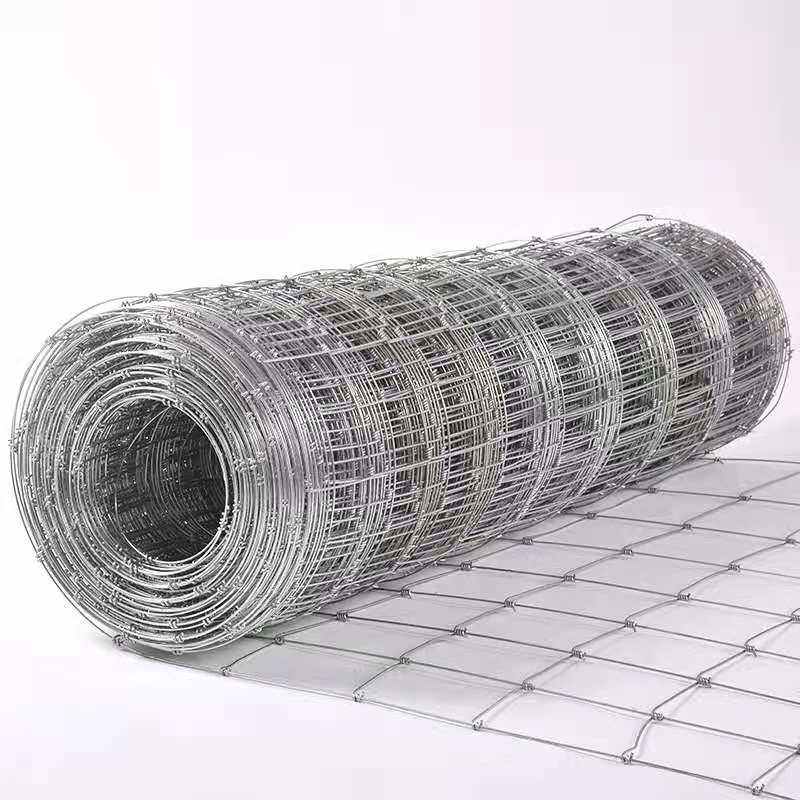
Ensuring Trust: FAQs, Fulfillment, and Dedicated Support
At ZT Wire Mesh, we firmly believe that enduring trust is meticulously cultivated through unwavering transparency, steadfast reliability, and robust, proactive support. This dedicated section aims to address the most common inquiries, providing clear insights, and unequivocally outlining our profound commitment to ensuring absolute customer satisfaction concerning our exceptional Galvanized field fence products.
Frequently Asked Questions (FAQs):
- Q: What is the expected service life of your Galvanized field fence?
- A: The service life is primarily influenced by the zinc coating class and the specific environmental conditions. Our Class 3 hot-dip galvanized fences are engineered to provide an extensive service life of 20-30 years in moderate climates. Class 1 coatings, while effective, typically offer 7-15 years. Consistent inspection and minimal routine maintenance can significantly extend these projections.
- Q: How does a fixed-knot fence compare to a hinge-joint fence?
- A: Fixed-knot designs offer superior rigidity, enhanced strength, and remarkable resistance to significant animal pressure and shifting ground conditions. They are optimally suited for high-tensile applications and challenging, uneven terrains. Hinge-joint fences, conversely, provide greater flexibility, which often simplifies installation, and are better suited for containing smaller livestock and lighter applications where a degree of yield is desirable.
- Q: Can your Galvanized field fence endure severe weather conditions?
- A: Absolutely. The advanced hot-dip galvanization process delivers exceptional protection against the damaging effects of rain, snow, ice, and intense UV radiation. For extremely corrosive environments, such as those exposed to coastal saltwater spray or harsh industrial atmospheres, we highly recommend our Class 3 coatings or even our specialized PVC-coated options for significantly enhanced longevity and performance.
- Q: What are the typical lead times for large-volume orders?
- A: For standard, readily available stock items, lead times are generally efficient, ranging from 1-2 weeks. For highly customized orders or exceptionally large-volume projects, lead times typically extend to 4-6 weeks, dependent upon the intricate complexity of the order and our current production schedule. We engage in close collaboration with our clients to establish realistic timelines and maintain proactive, transparent communication throughout the entire process.
Lead Time and Fulfillment Details:
Our highly optimized production and advanced logistics systems are designed to ensure exceptionally efficient order processing and timely delivery. We diligently maintain a robust inventory of popular Galvanized field fence configurations, enabling immediate dispatch for urgent requirements. Custom orders are meticulously scheduled and manufactured with unparalleled precision. We utilize durable, robust packaging to prevent any potential damage during transit and strategically partner with a network of highly reliable freight carriers, guaranteeing timely and secure global delivery. Dedicated project managers are assigned to large-scale orders, providing personalized communication and real-time progress tracking from the initial order placement through to final, successful delivery.
Comprehensive Warranty Commitments:
We unequivocally stand behind the superior quality of our products with a comprehensive, industry-leading warranty. Our Galvanized field fence is backed by a 5-year limited warranty, covering manufacturing defects and premature corrosion under normal and intended usage conditions for Class 3 coatings. Specific warranty terms may vary based on the individual product and its respective coating class; we encourage clients to consult our official warranty statement for full, detailed information. This steadfast commitment underscores our profound confidence in the quality of the materials and the advanced manufacturing processes we meticulously employ.
Dedicated Customer Support Information:
Our dedicated and highly knowledgeable customer support team is readily available to provide expert assistance with all technical inquiries, facilitate seamless order tracking, and deliver comprehensive after-sales service. We offer convenient 24/7 online support through our intuitive website and direct phone lines during standard business hours. Our team of technical experts provides invaluable guidance on optimal installation techniques, effective maintenance protocols, and precise product selection, ensuring the maximum return on your Galvanized field fence investment. We are profoundly committed to fostering enduring, long-term partnerships through the delivery of truly exceptional service and support.
Conclusion: The Enduring Value of Galvanized Field Fence
The strategic selection of a high-quality Galvanized field fence represents a pivotal decision that directly influences the longevity, security, and overall cost-effectiveness of critical agricultural, industrial, and environmental projects. By meticulously understanding the intricate manufacturing process, rigorously adhering to stringent technical specifications, and consistently leveraging advanced galvanization techniques, ZT Wire Mesh delivers superior fencing solutions that consistently exceed prevailing industry expectations. Our unwavering commitment to the core principles of Expertise, Experience, Authoritativeness, and Trustworthiness (EEAT) ensures that our products are not only expertly engineered but are also fortified by proven practical experience, authenticated by authoritative certifications, and underpinned by transparent trustworthiness. Investing in a superior galvanized field fence from a reputable manufacturer like ZT Wire Mesh guarantees a durable, reliable, and economically sound perimeter solution that will perform exceptionally for decades to come.
References
- ASTM International. "ASTM A116/A116M-14, Standard Specification for Metallic-Coated Carbon Steel Barbed Wire." Retrieved from www.astm.org.
- ASTM International. "ASTM A641/A641M-09, Standard Specification for Zinc–Coated (Galvanized) Carbon Steel Wire." Retrieved from www.astm.org.
- ASTM International. "ASTM A90/A90M-13, Standard Test Method for Weight [Mass] of Coating on Iron and Steel Articles with Zinc or Zinc-Alloy Coatings." Retrieved from www.astm.org.
- International Organization for Standardization. "ISO 9001:2015 Quality management systems – Requirements." Retrieved from www.iso.org.
- Galvanizers Association. "Hot Dip Galvanizing: The Process." Retrieved from www.galvanizing.org.uk.
- Grand View Research. "Fencing Market Size, Share & Trends Analysis Report." (Market data reference).
-
Ultimate Guide to Choosing the Right Sound Proof Barrier
NewsApr.16,2026
-
Effective Guide to Installing a Sound Deadening Fence for Peace
NewsApr.09,2026
-
Comprehensive Guide to Portable Sound Barrier Solutions for Noise Control
NewsApr.07,2026
-
Effective Outdoor Acoustic Barriers for Noise Reduction and Enhanced Wellbeing
NewsApr.04,2026
-
Effective Noise Cancelling Fence Solutions for Peaceful Living
NewsMar.31,2026
-
Enhancing Workplace Productivity with Effective Cubicle Sound Barriers
NewsMar.28,2026
Subscribe now!
Stay up to date with the latest on Fry Steeland industry news.