

Ultimate Guide to Choosing the Right Sound Proof Barrier
In today's industrial and urban environments, noise pollution has become a significant challenge affecting both productivity and health. Implementing a high-quality sound proof barrier is the most effective way to mitigate unwanted noise transmission. Whether you are dealing with heavy machinery in a factory or seeking tranquility in a residential area, understanding the mechanics of sound insulation is key. A well-designed barrier doesn't just block sound; it manages acoustic energy to create a safer, more focused environment. In this comprehensive guide, we will explore the different types of barriers, their technical specifications, and how to choose the best solution for your specific needs.
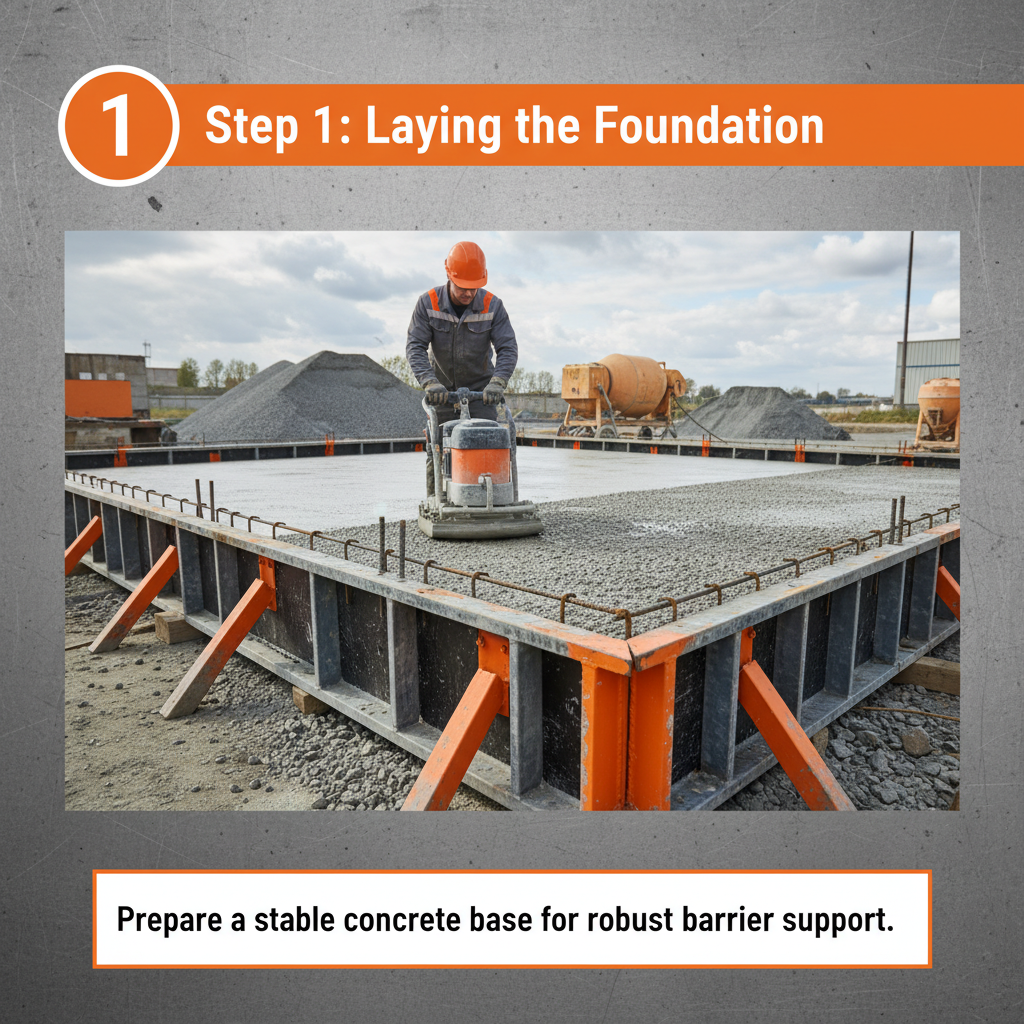
How a Sound Proof Barrier Works to Reduce Noise
To appreciate the value of a sound proof barrier, one must understand the two primary methods of noise control: absorption and blocking. Sound absorption involves materials that soak up sound waves, preventing them from bouncing back into the room (reducing echo). On the other hand, sound blocking relies on high-mass materials that stop sound waves from passing through a wall or partition. The most effective industrial barriers often combine both methods—using a dense outer core to block sound and a porous inner layer to absorb it. This dual-action approach ensures that noise is not only stopped from entering a space but is also prevented from resonating within it.
Pro Tip: Always consider the "flanking path." Noise can travel through gaps, vents, or under doors, potentially bypassing your barrier. Ensure a complete seal for maximum decibel reduction.
Comparing Different Types of Sound Proof Barrier Materials
Not all materials are created equal when it comes to acoustic performance. Depending on the frequency of the noise—whether it is a low-frequency hum from a generator or high-frequency whistling from a valve—you will need a different material. Mass-loaded vinyl (MLV) is prized for its density, while acoustic foams are better for interior echoes. For outdoor industrial applications, metal-encased barriers with mineral wool cores are the gold standard. Choosing the correct sound proof barrier depends on balancing weight, durability, and the required Sound Transmission Class (STC) rating.
Key Applications of the Industrial Sound Proof Barrier
The deployment of a sound proof barrier varies significantly across different sectors. In the manufacturing sector, barriers are often wrapped around compressors or generators to protect workers' hearing and comply with OSHA standards. In construction, temporary portable barriers are used to shield neighboring residential areas from the noise of drilling and excavation. Furthermore, in the commercial sector, acoustic partitions are used in open-office layouts to increase privacy and reduce cognitive load on employees. Proper placement is critical; a barrier must be tall and wide enough to "break the line of sight" between the noise source and the receiver.
Installation Best Practices for Sound Proof Barrier Systems
Installing a sound proof barrier requires precision to avoid "acoustic leaks." One of the most common mistakes is leaving small gaps at the bottom or sides of the barrier; since sound behaves like water, it will find any opening to flow through. For permanent installations, decoupling the barrier from the main structure using rubber mounts or resilient channels can prevent structural vibration (impact noise) from traveling through the walls. For temporary setups, ensuring the barrier is weighted properly to prevent wind-lift while maintaining a tight seal against the floor is essential for consistent performance.
Technical Specifications of Professional Barriers
When sourcing a professional-grade sound proof barrier, you should look at the technical data sheet. The two most important metrics are the NRC (Noise Reduction Coefficient), which measures absorption, and the STC (Sound Transmission Class), which measures blocking. A higher NRC indicates better absorption of sound within a room, while a higher STC indicates a better ability to block sound from passing through the barrier. Below are the typical specifications for our high-performance industrial series:
Conclusion: Creating a Quieter Future
Investing in a professional sound proof barrier is not just about comfort—it is about safety, health, and operational efficiency. By understanding the difference between absorption and blocking, and by choosing materials based on STC and NRC ratings, you can effectively eliminate noise pollution in any setting. Whether you need custom industrial enclosures or simple acoustic panels, the right barrier provides a sustainable solution to a noisy world. Prioritize quality and precision installation to ensure your investment delivers the maximum decibel reduction possible.
Frequently Asked Questions (FAQs)
What is the difference between soundproofing and sound absorption?
Soundproofing (blocking) refers to the process of stopping sound from entering or leaving a room. This is achieved using dense, heavy materials like concrete, lead, or mass-loaded vinyl that reflect sound waves back to their source. Sound absorption, conversely, refers to reducing the reflection of sound within a room to prevent echoes and reverberation. This is achieved using porous materials like acoustic foam or fabric panels that trap sound waves. For a truly quiet environment, a combination of both is necessary: blocking to keep the noise out and absorption to keep the interior quiet.
Can a sound proof barrier completely eliminate all noise?
While it is virtually impossible to achieve "absolute zero" noise in a practical industrial or residential setting, a high-quality barrier can reduce noise to a level that is imperceptible or within safe legal limits. The effectiveness depends on the barrier's STC rating and the installation quality. Low-frequency sounds (like heavy bass or engine thumps) are harder to block than high-frequency sounds (like voices or whistles) because they have longer wavelengths that can vibrate through structures. This is why "decoupling" the barrier from the floor and walls is so important to prevent structural transmission.
How do I calculate how much barrier material I need?
To determine the amount of material, you must first identify the "noise path." Measure the total surface area of the walls, ceilings, or open spaces between the noise source and the receiver. For outdoor barriers, the barrier must extend beyond the direct line of sight from the source to the receiver to account for "sound diffraction" (the way sound bends over the top of a wall). We recommend adding a 10% buffer to your measurements for overlaps and seals. You can consult the expert team at ztwiremesh.com for a professional acoustic assessment and custom measurement guide.
Are sound proof barriers environmentally friendly?
Many modern barriers are now manufactured using sustainable and recycled materials. For example, some acoustic panels are made from recycled PET bottles or natural mineral wool. Choosing a durable, long-lasting barrier also reduces waste over time. When selecting a product, look for certifications like LEED or GREENGUARD, which ensure that the materials do not emit harmful volatile organic compounds (VOCs) into your indoor air. High-quality barriers not only protect your hearing but can also contribute to a healthier, more sustainable building ecosystem.
-
Ultimate Guide to Choosing the Right Sound Proof Barrier
NewsApr.16,2026
-
Effective Guide to Installing a Sound Deadening Fence for Peace
NewsApr.09,2026
-
Comprehensive Guide to Portable Sound Barrier Solutions for Noise Control
NewsApr.07,2026
-
Effective Outdoor Acoustic Barriers for Noise Reduction and Enhanced Wellbeing
NewsApr.04,2026
-
Effective Noise Cancelling Fence Solutions for Peaceful Living
NewsMar.31,2026
-
Enhancing Workplace Productivity with Effective Cubicle Sound Barriers
NewsMar.28,2026
Subscribe now!
Stay up to date with the latest on Fry Steeland industry news.