

What is a Drainboard? A Comprehensive Guide
A drainboard is a crucial component in various applications, from kitchen sinks to shower stalls and even industrial settings. Its primary function is to facilitate water drainage and prevent water accumulation. This article will delve into the world of drainboards, covering their definition, types, materials, applications, benefits, and how to choose the right one for your needs. Understanding the purpose of a drainboard will help you make informed decisions when selecting this important item.
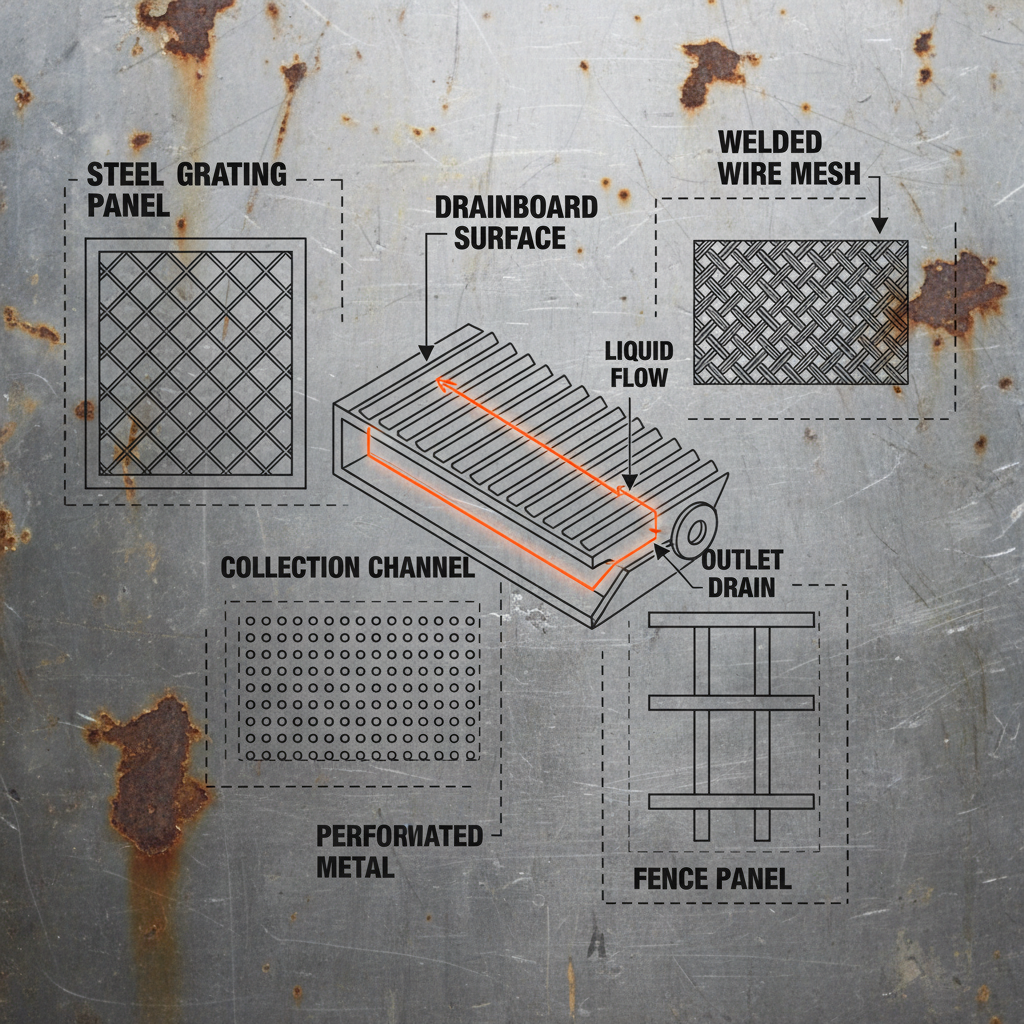
Defining a Drainboard: Functionality and Purpose
At its core, a drainboard is a slightly sloped surface designed to channel water away from an appliance or fixture. It’s commonly found next to kitchen sinks to allow dishes to air dry, preventing water from pooling and creating a mess. Beyond the kitchen, drainboards play a vital role in showers, directing water towards the drain. In industrial applications, they can be essential for managing wastewater and ensuring a safe working environment. They're often constructed from materials resistant to water and corrosion, ensuring longevity and reliable performance. The angle of the slope is crucial – too steep and items slide off easily; too shallow and water can stagnate.
Key Takeaway: A drainboard efficiently directs water away from surfaces, promoting hygiene and preventing damage.
Types of Drainboards Available
Drainboards come in a variety of forms, each suited for different applications. The most common types include:
- Integrated Drainboards: These are built directly into the sink, typically made of the same material as the sink itself.
- Roll-Up Drainboards: Made from flexible materials like silicone, these can be rolled out when needed and stored away easily.
- Freestanding Drainboards: These are independent units placed next to the sink or shower.
- Industrial Drainboards: Often made from metal grating or specialized plastics, these are designed for heavy-duty drainage in commercial or industrial settings.
Drainboard Type Benefits:
• Integrated: Seamless design, space-saving.
• Roll-Up: Portable, convenient storage.
• Freestanding: Versatile, adaptable to different spaces.
• Industrial: Durable, high-capacity drainage.
Materials Used in Drainboard Construction
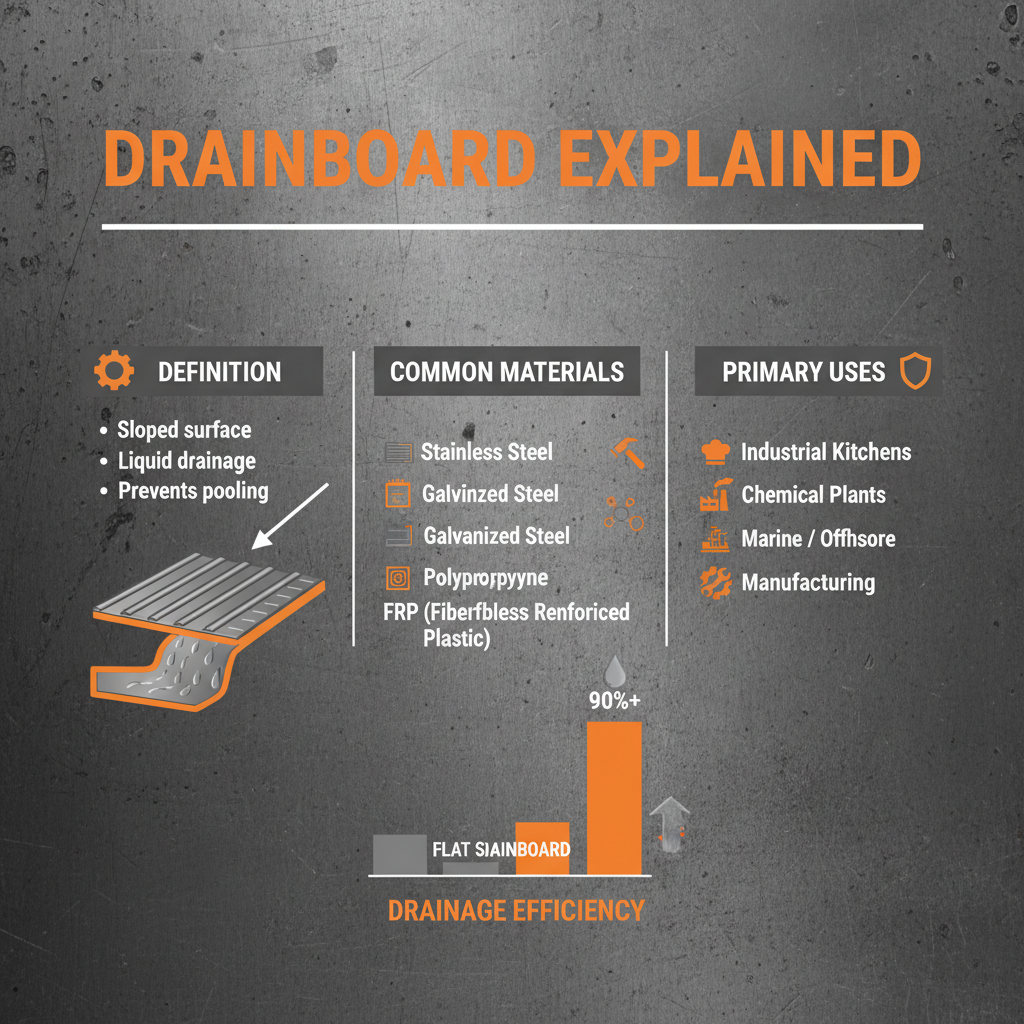
The material used in a drainboard’s construction impacts its durability, aesthetics, and cost. Common materials include:
Applications of Drainboards: Beyond the Kitchen Sink
While commonly associated with kitchen sinks, drainboards have diverse applications. They're integral in shower stalls to manage water runoff, preventing slippery floors. In laboratories and industrial facilities, specialized drainboards constructed from corrosion-resistant materials handle chemical waste. They're also used in commercial kitchens, laundry rooms, and even animal care facilities for efficient water management. The versatility of drainboards makes them invaluable in maintaining cleanliness and safety across various environments. You can find high-quality drainboards and related products at ZTWiremesh.
Choosing the Right Drainboard: Factors to Consider
Selecting the ideal drainboard depends on your specific needs. Consider the following factors:
- Application: Where will the drainboard be used (kitchen, shower, industrial setting)?
- Material: What level of durability and corrosion resistance is required?
- Size: Ensure the drainboard is appropriately sized for the area and the volume of water it needs to handle.
- Installation: Is an integrated or freestanding option more suitable?
- Budget: Prices vary significantly depending on the material and features.
Conclusion: The Underrated Importance of a Drainboard
A drainboard might seem like a simple component, but it plays a vital role in maintaining cleanliness, preventing water damage, and ensuring safety. By understanding the different types, materials, and applications, you can choose the right drainboard to meet your specific needs. Investing in a quality drainboard is a small step that can make a big difference in overall hygiene and efficiency. Explore the selection of high-quality drainboards at ZTWiremesh today.
Frequently Asked Questions (FAQs)
What is the best material for a kitchen drainboard?
The “best” material depends on your priorities. Stainless steel offers excellent durability and hygiene but can be more expensive. Plastic is a more affordable option, though less durable. Silicone roll-up drainboards are popular for their convenience and heat resistance. Consider your budget, usage frequency, and desired level of durability when making your choice. Ultimately, stainless steel and silicone are often preferred for their balance of benefits.
How do I clean and maintain my drainboard?
Cleaning your drainboard regularly is essential to prevent bacterial growth. For stainless steel and plastic drainboards, simply wash with warm soapy water and a non-abrasive sponge. Silicone drainboards can also be washed in the dishwasher. To prevent staining, rinse the drainboard thoroughly after each use. Periodically disinfecting with a mild bleach solution can help maintain hygiene. Avoid using harsh chemicals or abrasive cleaners that could damage the surface.
Can a drainboard be used in a shower?
Yes, but the type of drainboard matters. Freestanding plastic or silicone drainboards are suitable for shower use as they are water-resistant and won’t rust. Stainless steel drainboards can also be used, but ensure they’re properly sealed to prevent water from seeping underneath. Integrated drainboards in shower stalls are specifically designed for this purpose. Make sure the drainboard provides sufficient traction to prevent slipping.
What are the benefits of using an industrial drainboard?
Industrial drainboards are designed for heavy-duty applications, providing superior drainage capacity and durability. They are typically constructed from corrosion-resistant materials like stainless steel or specialized plastics, ensuring they can withstand harsh chemicals and frequent use. This helps maintain workplace safety, prevents slips and falls, and ensures compliance with hygiene standards. They also reduce maintenance costs by minimizing the risk of clogging or damage.
-
Ultimate Guide to Choosing the Right Sound Proof Barrier
NewsApr.16,2026
-
Effective Guide to Installing a Sound Deadening Fence for Peace
NewsApr.09,2026
-
Comprehensive Guide to Portable Sound Barrier Solutions for Noise Control
NewsApr.07,2026
-
Effective Outdoor Acoustic Barriers for Noise Reduction and Enhanced Wellbeing
NewsApr.04,2026
-
Effective Noise Cancelling Fence Solutions for Peaceful Living
NewsMar.31,2026
-
Enhancing Workplace Productivity with Effective Cubicle Sound Barriers
NewsMar.28,2026
Subscribe now!
Stay up to date with the latest on Fry Steeland industry news.