

Choosing the Right Noise Barrier Fence for Your Needs
Controlling noise pollution is crucial for creating safe and comfortable environments, whether it's along highways, in industrial areas, or near residential communities. A well-chosen noise barrier fence can significantly reduce sound transmission and improve quality of life. This article provides a comprehensive overview of noise barrier fences, their types, benefits, installation considerations, and how to select the best option for your specific needs. Understanding these aspects will empower you to make an informed decision and effectively mitigate noise pollution.
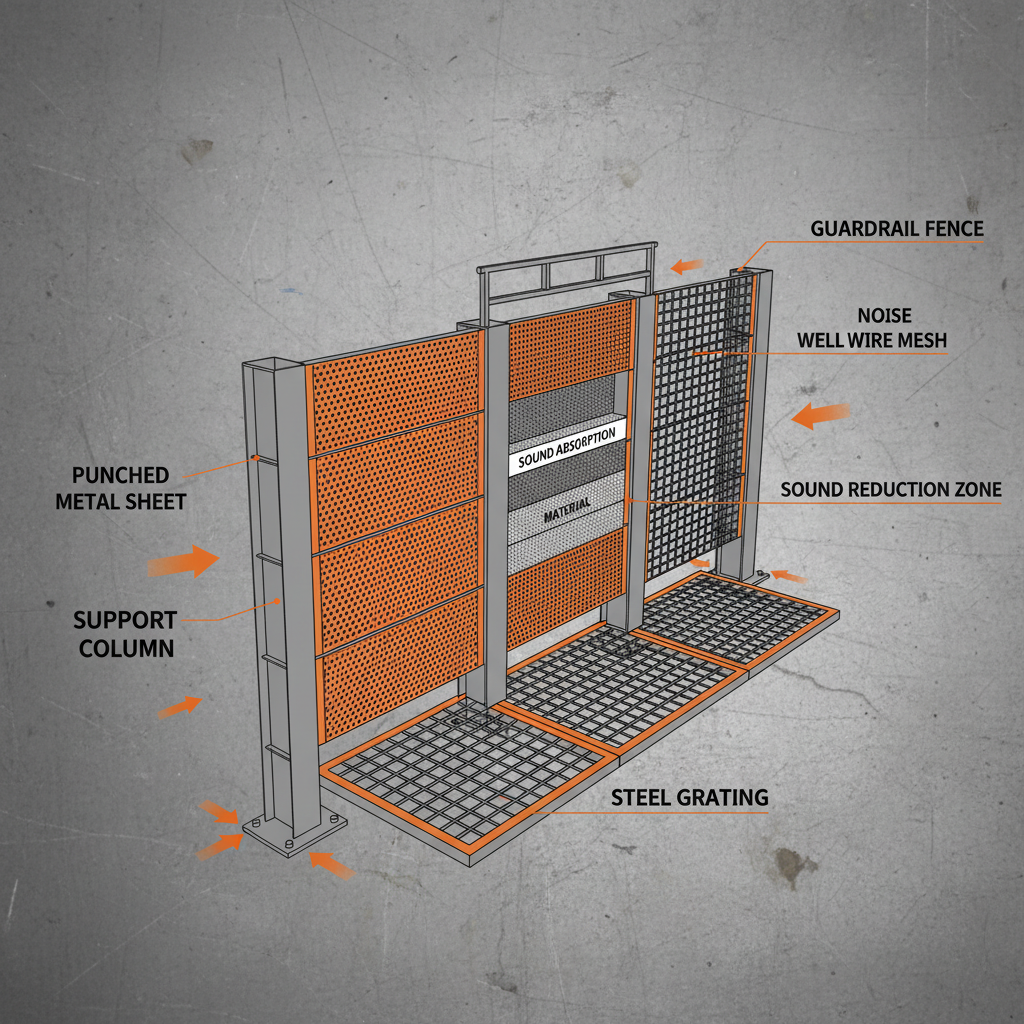
Understanding Noise Barrier Fence Technology
Noise barrier fences work by blocking the direct path of sound waves, forcing them to travel over or around the barrier. This reduces the sound intensity reaching the other side. The effectiveness of a noise barrier depends on several factors, including its height, length, density, and the frequency of the noise. Higher and longer barriers provide more significant noise reduction. Materials with higher density, like concrete or heavy-duty metals, are more effective at blocking sound. The placement of the barrier is also critical – a direct line of sight between the noise source and the receiver should be broken as much as possible. ZTWireMesh offers specialized noise barrier solutions designed to optimize sound reduction performance.
Key Benefits: Effective sound reduction, improved quality of life, increased property values, compliance with noise regulations.
Types of Noise Barrier Fences
Several types of noise barrier fences are available, each with its own advantages and disadvantages. Common options include:
- Concrete Barriers: Highly effective, durable, but can be expensive and visually unappealing.
- Steel Barriers: Strong, relatively lightweight, and can be powder-coated for aesthetic appeal.
- Wood Fences: More affordable and aesthetically pleasing, but less effective at blocking sound than concrete or steel.
- Wire Mesh Barriers: Cost-effective, lightweight, and offer good ventilation, often used in combination with other materials. ZTWireMesh specializes in high-performance wire mesh noise barriers.
Choosing the Right Type: Consider budget, noise reduction requirements, aesthetic preferences, and local regulations.
Comparing Noise Reduction Performance: Materials and Heights
The effectiveness of a noise barrier varies significantly depending on the material and height. Here's a comparison of noise reduction levels achieved by different materials and heights. These values are approximate and can vary based on specific conditions. A taller barrier generally provides better noise reduction, up to a certain point, as diffraction occurs at the top of the barrier.
Installation Considerations for Optimal Performance
Proper installation is crucial for maximizing the effectiveness of your noise barrier fence. Key considerations include:
- Foundation: A solid foundation is essential to prevent the barrier from shifting or collapsing.
- Sealing Gaps: Any gaps at the base or between panels will significantly reduce noise reduction. Ensure a tight seal.
- Overlap: Panels should overlap sufficiently to prevent sound leakage.
- Professional Installation: For optimal results, consider hiring a professional installer experienced with noise barrier fences.

Choosing ZTWireMesh for Your Noise Barrier Needs
ZTWireMesh provides high-quality, durable, and cost-effective noise barrier solutions. Our wire mesh barriers are designed for optimal sound reduction and can be customized to meet your specific requirements. We offer a range of mesh types, frame materials, and installation services to ensure a seamless experience. Contact us today for a free consultation and discover how we can help you create a quieter, more peaceful environment.
Conclusion: Invest in a Quieter Future
Investing in a noise barrier fence from ZTWireMesh is an investment in your well-being and the value of your property. By effectively reducing noise pollution, you can create a more comfortable and peaceful environment for yourself, your family, or your employees. Choose ZTWireMesh for reliable quality, expert advice, and a commitment to customer satisfaction.
Frequently Asked Questions (FAQs)
What factors affect the effectiveness of a noise barrier fence?
Several factors play a role, including the height and length of the barrier, the density of the material, the frequency of the noise, the distance between the noise source and the barrier, and the presence of any gaps or flanking paths. A taller and longer barrier made of dense material will generally provide better noise reduction. Proper installation and sealing of gaps are also crucial. Consider the specific noise frequencies you're trying to block, as different materials perform better at different frequencies.
What is the recommended height for a noise barrier fence?
The recommended height depends on the distance between the noise source and the receiver, as well as the desired level of noise reduction. As a general guideline, a barrier should be high enough to break the line of sight between the noise source and the receiver. For most residential applications, a height of 1.8 to 2.4 meters (6 to 8 feet) is often sufficient. However, for more significant noise reduction, a higher barrier may be necessary.
Are there any local regulations regarding noise barrier fences?
Yes, many local jurisdictions have regulations regarding the height, materials, and placement of noise barrier fences. It’s essential to check with your local planning department or homeowners association before installing a noise barrier to ensure compliance with all applicable regulations. These regulations may vary depending on your location and the intended use of the barrier.
What is the lifespan of a ZTWireMesh noise barrier fence?
ZTWireMesh noise barrier fences are designed for long-lasting durability. With proper installation and maintenance, a ZTWireMesh fence can last for 15-20 years or more. The lifespan depends on the specific materials used and the environmental conditions. We offer warranties on our products to ensure your investment is protected.
-
Expanded metal sheets for sale: answers on mesh type, sizes and cutting
NewsNov.03,2026
-
Stainless Steel Expanded Metal Mesh FAQ: Dimensions, Coatings and Ordering Questions
NewsOct.28,2026
-
Choosing 2 mm Aluminum Plate Material Flattened Expanded Metal: Application Fit and Specification Checks
NewsOct.27,2026
-
V Mesh Wire: Choosing BBQ Crimped Wire Mesh by Opening Size, Wire Diameter and Application
NewsOct.27,2026
-
How to Buy Chain Link Fence: Opening Size, Wire Diameter and PVC Coating Explained
NewsOct.27,2026
-
Steel Grating Price Guide: How to Match Specification to Application Before You Buy
NewsOct.27,2026
Subscribe now!
Stay up to date with the latest on Fry Steeland industry news.