

Drain Board Construction: A Comprehensive Guide
Effective drainage is crucial for any construction project, particularly those involving foundations, landscaping, and retaining walls. Drain board construction provides a vital layer of protection, preventing water buildup and potential structural damage. This article will delve into the purpose, materials, installation techniques, and benefits of drain boards, offering a comprehensive overview for builders, contractors, and homeowners. Understanding the principles of drain board construction can significantly enhance the longevity and stability of your project.
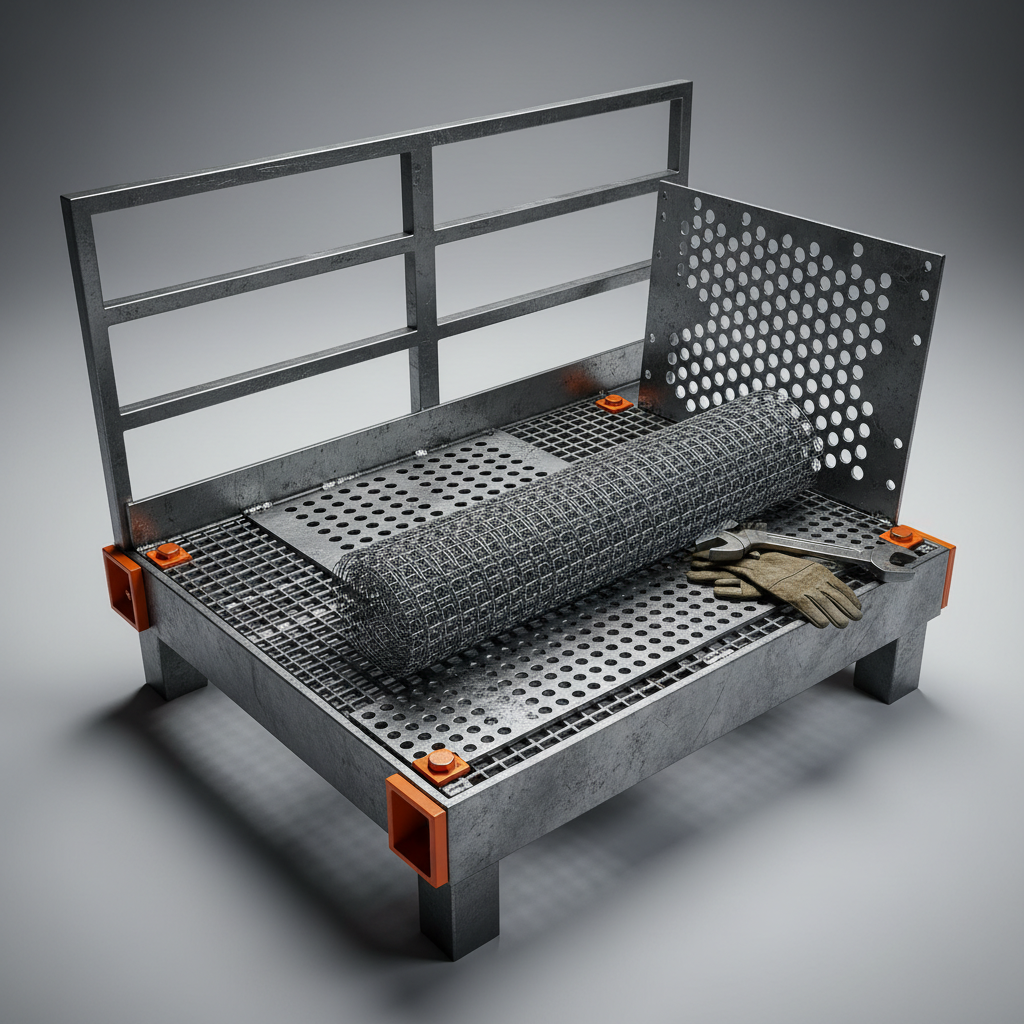
What is Drain Board and Why is it Important?
A drain board, also known as a drainage membrane, is a protective layer installed against foundation walls or other subterranean structures. Its primary function is to safeguard the waterproofing membrane from physical damage during backfilling and to provide a clear pathway for water to drain away from the structure. Without a drain board, hydrostatic pressure can build up, leading to leaks, cracks, and potentially catastrophic structural failure. It acts as a buffer, preventing soil particles and roots from puncturing the waterproofing layer while facilitating efficient water flow to a drainage system. This is particularly crucial in areas with high water tables or heavy rainfall.
Key Benefits: Protects waterproofing membranes, prevents hydrostatic pressure buildup, facilitates water drainage, extends structural lifespan.
Common Materials Used in Drain Board Construction
Several materials are commonly used for drain board construction, each with its own set of advantages and disadvantages. These include high-density polyethylene (HDPE), dimpled membranes, and geotextiles. HDPE is a durable and waterproof plastic, commonly used in dimpled membranes. Dimpled membranes create an air gap between the foundation wall and the backfill, promoting efficient drainage. Geotextiles are permeable fabrics that filter soil particles while allowing water to pass through. Often, a combination of these materials is used to create a robust and effective drainage system. Selecting the appropriate material depends on the specific project requirements and soil conditions.
Material Choices:
• HDPE (High-Density Polyethylene)
• Dimpled Membranes
• Geotextiles
• Combination Materials
Drain Board Installation: A Step-by-Step Guide
Proper installation is paramount for the effectiveness of a drain board system. The process typically involves these steps: First, ensure the foundation wall is clean and free of debris. Next, apply the waterproofing membrane. Then, carefully install the drain board, ensuring it covers the entire foundation wall. Overlap seams according to the manufacturer's instructions. Finally, connect the drain board to a perimeter drainage system, such as a perforated drain pipe, and backfill with appropriate material. It's essential to follow local building codes and manufacturer's recommendations for optimal performance. Protecting the drain board during backfilling is also crucial; coarse gravel is often used to prevent damage.
Drain Board vs. Other Drainage Solutions
While various drainage solutions exist, drain boards offer unique advantages. Compared to gravel backfill alone, drain boards provide a more consistent drainage path and prevent soil particles from clogging the system. They are also more effective at protecting the waterproofing membrane. Compared to French drains, drain boards are typically less disruptive to install and require less excavation. The best drainage solution depends on the specific site conditions and project requirements. For many applications, drain boards represent a cost-effective and highly reliable option. ZTWiremesh provides a range of high-quality drain board products for various construction needs.
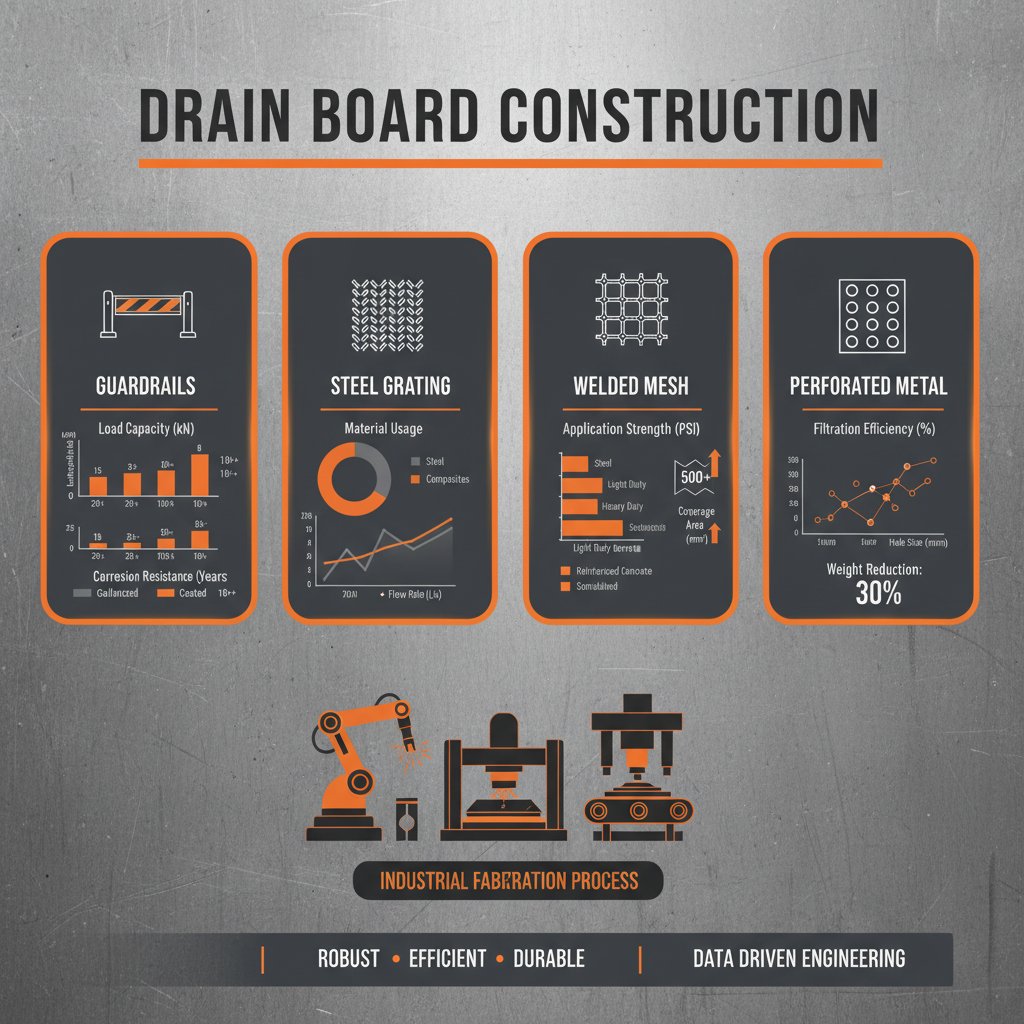
Product Specifications: ZTWiremesh Drain Board
At ZTWiremesh, we offer premium drain boards engineered for superior performance and durability. Here's a quick look at our standard specifications:
Conclusion: Ensuring Long-Term Structural Integrity with Proper Drainage
Investing in quality drain board construction is a crucial step towards ensuring the long-term stability and integrity of any structure. By effectively managing water runoff and protecting waterproofing membranes, you can prevent costly repairs and extend the lifespan of your project. ZTWiremesh is your trusted partner for reliable drain board solutions and expert advice.
Frequently Asked Questions (FAQs)
What types of projects benefit most from drain board installation?
Drain boards are exceptionally beneficial for projects involving below-grade construction, such as foundations, basement walls, retaining walls, and underground parking structures. They are also highly recommended in areas with high water tables, poor soil drainage, or significant rainfall. Landscaping projects involving tiered walls or planters can also benefit from drain board installation to prevent water buildup and erosion. Ultimately, any project where controlling water movement around a structure is critical will benefit from the use of a drain board.
How often should drain boards be inspected?
Regular inspections are crucial to ensure the continued effectiveness of your drain board system. Ideally, drain boards should be inspected annually, or after any significant weather event. Look for signs of damage, such as tears, punctures, or disconnections from the drainage system. Check for any clogs in the perimeter drainage pipe. Addressing issues promptly can prevent more serious problems down the line. If you notice any damage, repair or replace the drain board immediately.
Can drain boards be used with all types of waterproofing membranes?
Generally, drain boards are compatible with most commonly used waterproofing membranes, including bituminous coatings, sheet membranes, and liquid-applied membranes. However, it's always recommended to consult with the membrane manufacturer to ensure compatibility. Certain membranes may require a specific type of drain board to avoid damage or reduced effectiveness. Always follow the manufacturer's guidelines for both the membrane and the drain board.
What is the best type of backfill to use with drain boards?
Coarse gravel is the preferred backfill material for use with drain boards. Its large particle size allows for excellent drainage and prevents clogging. Avoid using fine-grained soils, such as clay or silt, as they can restrict water flow and compromise the effectiveness of the system. Using a geotextile fabric between the gravel and the surrounding soil can further prevent soil migration and maintain the drainage capacity over time.
-
Ultimate Guide to Choosing the Right Sound Proof Barrier
NewsApr.16,2026
-
Effective Guide to Installing a Sound Deadening Fence for Peace
NewsApr.09,2026
-
Comprehensive Guide to Portable Sound Barrier Solutions for Noise Control
NewsApr.07,2026
-
Effective Outdoor Acoustic Barriers for Noise Reduction and Enhanced Wellbeing
NewsApr.04,2026
-
Effective Noise Cancelling Fence Solutions for Peaceful Living
NewsMar.31,2026
-
Enhancing Workplace Productivity with Effective Cubicle Sound Barriers
NewsMar.28,2026
Subscribe now!
Stay up to date with the latest on Fry Steeland industry news.