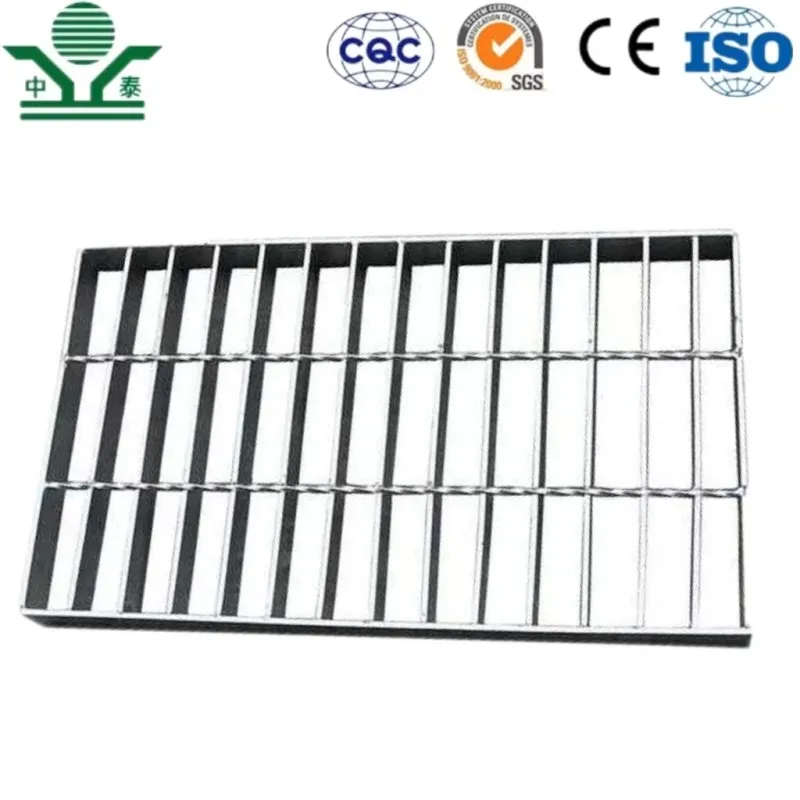
Industrial Expanded Metal Mesh and Floor Grating Price Guide
Selecting the appropriate industrial flooring requires a precise balance between structural load capacity, material durability, and budget efficiency. For procurement managers in the chemical, fuel, and construction sectors, understanding the variables that influence the total cost of ownership is critical. Whether specifying raised mesh for superior strength-to-weight ratios or flattened mesh for seamless frame welding, the technical configuration directly impacts the longevity and safety of the installation. This guide examines the engineering characteristics of expanded metal and carbon steel solutions, helping buyers navigate technical specifications to ensure optimal performance in high-traffic industrial environments.

Structural Differences Between Raised and Flattened Expanded Metal Mesh
Expanded metal is manufactured through a simultaneous slitting and stretching process, creating a diamond-shaped pattern without the need for welding. This results in two primary configurations: Raised Mesh and Flattened Mesh. Raised mesh retains the angle created during the expanding process, which significantly enhances sheet rigidity and provides an inherent anti-slip surface. This characteristic makes it an ideal choice for walkways and platforms where traction and high strength-to-weight ratios are paramount.
Conversely, flattened mesh is produced by passing the raised mesh through heavy-duty pressurized rollers. This process eliminates the angle, creating a smooth surface that is typically equal to or slightly below the original raw material thickness. Flattened mesh is specifically preferred for applications requiring a low profile or a flat surface area, which simplifies the process of welding the mesh into a supportive frame. When analyzing the floor grating price, buyers must consider that the additional rolling process for flattened mesh and the specific gauge of the carbon steel plate used will influence the final valuation.

Technical Specifications for Heavy Duty Industrial Walkways
For high-load industrial environments, the choice of material and dimensions is non-negotiable. Using ASTM mild carbon steel plates ensures a robust foundation capable of withstanding rigorous operational stress. Common diameters for the strands range from 1.5mm to 2mm, with standard aperture sizes such as 5x10mm, depending on the required filtration or load-bearing capacity. The orientation of the mesh—defined by Long Way of Mesh (LWM) and Short Way of Mesh (SWM)—is critical for ensuring that the load is distributed across the strongest axis of the material.
Precision in sizing is another key engineering consideration. While stock sheets are commonly available in 2440mm x 1220mm or 1250mm x 2500mm, machine-run expanded metal is not inherently perfectly square. To achieve absolute dimensional accuracy, sheared panels are recommended. Utilizing in-house guillotines ensures that the panels are square and meet close tolerances, which is essential for seamless installation in government buildings, airports, or railway infrastructure where alignment is critical.
Industry Application Scenarios and Material Selection Logic
The versatility of expanded metal allows it to be deployed across diverse industrial landscapes. In the fuel and chemical industry, the focus is often on corrosion resistance and ventilation. In these settings, the open area of the mesh allows for the escape of hazardous fumes and prevents the accumulation of liquids, enhancing workplace safety. For airport and highway construction, the priority shifts toward durability and the ability to handle heavy foot traffic or equipment movement without deformation.
Engineering logic suggests that for machine protection and ventilation, a raised mesh is superior due to its rigidity. However, for decorative architectural elements or precise filter mesh requirements, a micro aluminum or cold-rolled steel flattened mesh is more appropriate. By matching the mesh orientation and strand diameter to the specific load requirements of the site, project managers can avoid over-specification, which reduces waste and optimizes the procurement budget without compromising structural integrity.
Technical Comparison of Expanded Metal Configurations
| Feature | Raised Mesh | Flattened Mesh | Walkway Grade | Filter Grade |
|---|---|---|---|---|
| Surface Profile | Angled/Textured | Flat/Smooth | Heavy Raised | Micro-Aperture |
| Primary Benefit | Anti-slip/Rigidity | Low Profile/Welding | Load Bearing | Precision Filtration |
| Typical Material | Mild Carbon Steel | Aluminum/Steel | ASTM Carbon Steel | Cold Rolled Steel |
| Installation Method | Fastened/Bolted | Frame Welded | Heavy Duty Fixing | Inserted/Clamped |
| Strength Ratio | High | Medium | Very High | Low to Medium |
Procurement Strategy for Custom Metal Fabrication
When sourcing expanded metal, procurement managers should shift their focus from simple unit costs to a comprehensive evaluation of manufacturing capabilities. Custom-made products and cut-to-size items are often more cost-effective in the long run because they reduce on-site waste and installation labor. It is important to verify if the supplier can provide sheared panels rather than just machine-run sheets to guarantee squareness and dimensional accuracy.
Furthermore, the ability to produce according to technical drawings or samples is a hallmark of a professional manufacturer. For specialized requirements, such as 6mm thick walkway mesh (12-99WR), standard guillotines may not suffice, necessitating water jet cutting. A supplier with a diverse equipment portfolio can handle these complexities, ensuring that the final product complies with international and industry standards. This technical capability ensures that the floor grating price reflects the actual value of a precision-engineered component rather than a generic commodity.
Quality Assurance and Global Shipping Standards
Maintaining consistent quality across large-scale orders requires a scientific management approach. 100% pre-delivery testing is essential to ensure that every panel meets the specified gauge and aperture size. In international trade, packaging plays a vital role in preventing deformation during transit. Using neutral white boxes or brown cartons is standard, but branded packaging is often available for registered patent holders, ensuring a professional presentation upon arrival at the project site.
With global markets spanning America, Europe, and Southeast Asia, adherence to international shipping and quality standards is critical. Lead times typically range from 15 to 30 days depending on the quantity and complexity of the customization. By establishing a long-term relationship with a manufacturer that prioritizes "quality first and customer first," buyers can secure a stable supply chain that mitigates the risks of material failure and project delays.
Common Technical Inquiries Regarding Industrial Grating
What is the main difference between raised and flattened expanded metal?
Raised mesh maintains the angled strands from the stretching process, offering higher rigidity and anti-slip properties. Flattened mesh is rolled flat, making it ideal for applications where a smooth surface is needed or where the mesh must be welded into a frame.
Can expanded metal be customized to specific dimensions?
Yes, custom manufacturing services allow for bespoke specifications and sheet sizes. Panels can be cut-to-size using guillotines for accuracy, or water jet cutting for exceptionally thick materials like 6mm walkway mesh.
How is the strength of expanded metal measured for flooring?
Strength is determined by the material gauge, the strand diameter (e.g., 1.5mm to 2mm), and the mesh orientation (LW and SW pitch). The raised configuration generally provides a superior strength-to-weight ratio compared to flattened versions.
What are the typical lead times for bulk orders?
Generally, delivery takes between 15 to 30 days after the advance payment is received, depending on the specific items and the total quantity of the order.
Do you provide samples for technical validation?
Samples can be supplied if they are available in stock. Customers are typically responsible for the sample cost and the courier charges associated with the shipment.
Is expanded metal suitable for corrosive environments?
Yes, depending on the material. While mild carbon steel is standard, the use of aluminum or stainless steel expanded metal is recommended for fuel, chemical, or sea-port applications to prevent rust and degradation.
Technical Industry References
- ASTM International Standards for Steel Plates
- ISO Quality Management Systems for Metal Fabrication
- OSHA Guidelines for Industrial Walkways and Flooring
- American Institute of Steel Construction Technical Manuals
For detailed technical drawings or a personalized quotation based on your project specifications, please contact our engineering team. We are committed to providing high-quality, durable metal solutions that meet international industry standards.
Industrial Flooring Insights