Industrial Flooring Guide and Bar Grating Prices Analysis
When specifying industrial flooring or safety platforms, the balance between structural integrity and cost-efficiency is critical. Aluminum and steel grating solutions provide the necessary load-bearing capacity while ensuring drainage and ventilation in demanding environments. For project managers and procurement officers, understanding the variables that influence bar grating prices is essential for accurate budgeting and material selection.
Whether you are implementing 1.5mm, 2mm, or 3mm thick aluminum sheets or heavy-duty expanded metal mesh, the choice of material directly impacts the longevity of the installation. By analyzing the intersection of material grade, thickness, and manufacturing precision, buyers can optimize their procurement strategy to secure high-performance grating that meets international industrial standards without overspending on unnecessary specifications.

Material Dynamics and Engineering Specifications for Industrial Grating
The performance of industrial grating is primarily dictated by its material composition and the geometric precision of its construction. Aluminum expanded metal mesh is frequently selected for building applications due to its superior strength-to-weight ratio and inherent resistance to oxidation. Depending on the load requirement, thicknesses of 1.5mm, 2mm, and 3mm are utilized to balance flexibility with structural rigidity.
In contrast to standard welded mesh, expanded metal is created by slitting and stretching the material, which results in a continuous piece of metal without welds. This manufacturing process enhances the structural integrity of the panel and provides a high-friction surface that is critical for pedestrian safety. When evaluating procurement options, engineers must consider how the "diamond" opening size and the strand width affect the overall load capacity and transparency of the system.
- Corrosion Resistance: Aluminum's natural oxide layer makes it ideal for humid or chemical-heavy environments.
- Weight Optimization: Reducing the dead load on building structures while maintaining safety standards.
- Customization: Ability to produce specific thicknesses (1.5-3mm) based on architectural requirements.

Critical Application Scenarios in Modern Infrastructure
Industrial grating is not a one-size-fits-all solution; its application varies significantly across different sectors. In the fuel and chemical industry, the priority is chemical compatibility and non-sparking properties, making high-grade aluminum or stainless steel the preferred choice. For airport and highway construction, the focus shifts toward extreme durability and the ability to withstand heavy vehicular traffic and weather fluctuations.
In commercial building construction, aluminum expanded metal mesh is often utilized for decorative facades, ceiling baffles, and safety walkways. The 1.5mm to 3mm thickness range allows architects to control light penetration and airflow while ensuring the installation remains secure. Furthermore, in power plants and mine areas, heavy-duty bar grating is essential for providing stable walking surfaces over machinery and drainage trenches, where slip resistance is a non-negotiable safety requirement.
Procurement Strategies for Optimizing Material Costs
Procuring industrial metal products requires a deep understanding of the global supply chain and material market fluctuations. Buyers often find that bar grating prices are heavily influenced by the raw cost of steel or aluminum, the complexity of the coating (such as galvanization or PVC coating), and the total volume of the order. To optimize costs, it is recommended to standardize specifications across a project to reduce custom tooling charges.
Another key consideration is the trade-off between initial cost and lifecycle value. While a cheaper, thinner mesh might meet the immediate budget, a slightly thicker 3mm aluminum plate can significantly extend the service life and reduce maintenance intervals in high-wear areas. Working with a manufacturer that possesses a strong technical force and integrated production equipment ensures that the product complies with international standards, reducing the risk of costly on-site failures or regulatory non-compliance.
Comparative Evaluation of Grating Material Specifications
| Material Type | Common Thickness | Primary Benefit | Recommended Use Case |
|---|---|---|---|
| Aluminum Expanded Mesh | 1.5mm - 3mm | Lightweight & Anti-corrosive | Building Facades / Walkways |
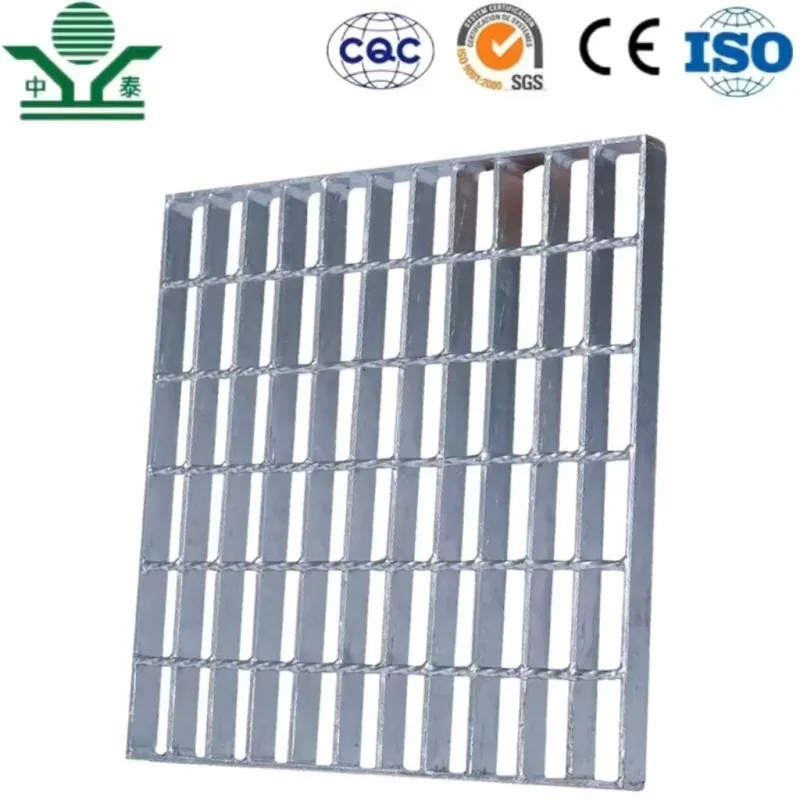
| Galvanized Steel Bar | Application-specific | High Load Capacity | Industrial Flooring / Drainage |
| Stainless Steel Mesh | Custom Range | Extreme Chemical Resistance | Medical / Food Processing |
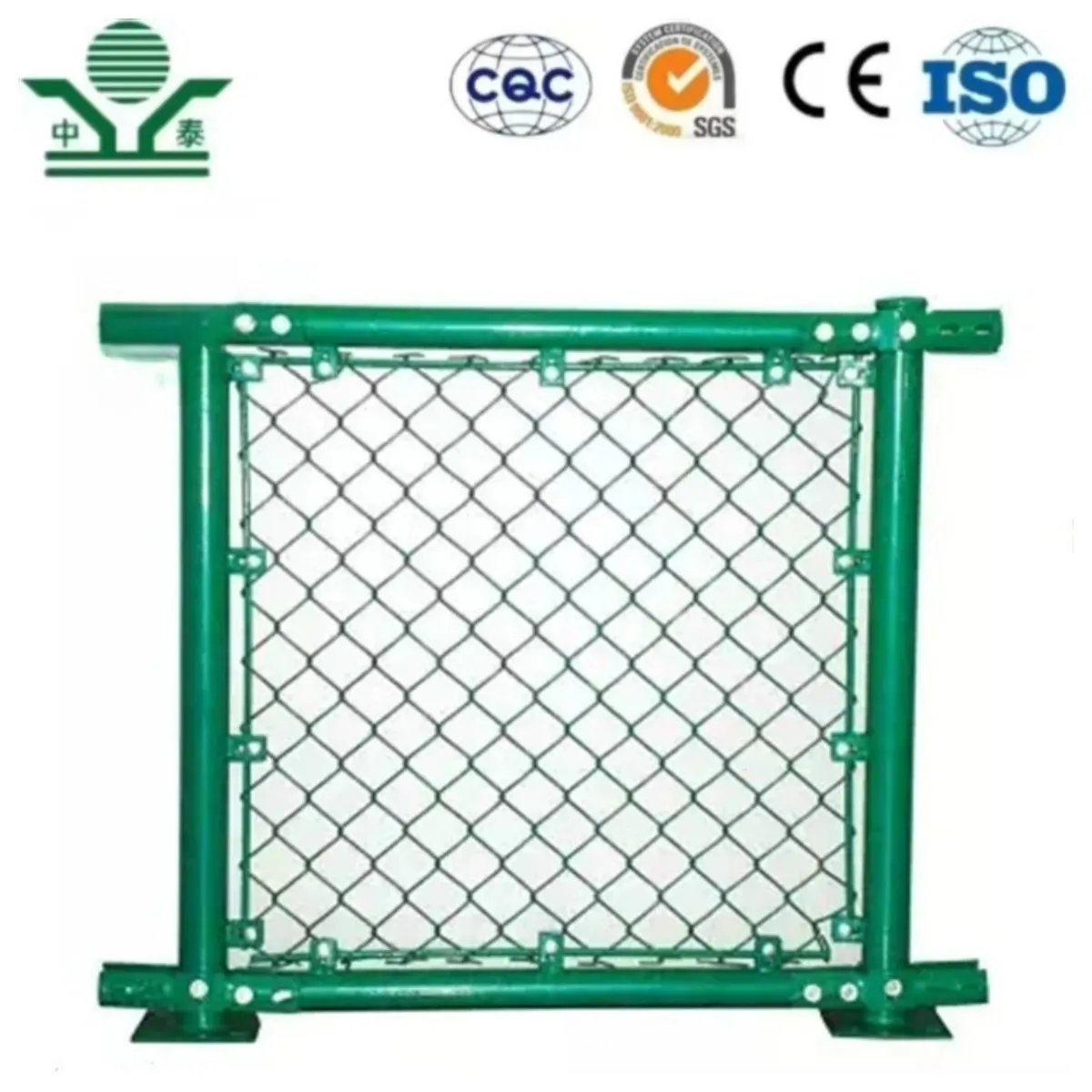
| PVC Coated Mesh | Standard Gauges | Enhanced Aesthetics & Protection | Sports Courts / Fencing |
| Serrated Bar Grating | Heavy Duty | Maximum Slip Resistance | Oil Rigs / Wet Environments |
Quality Assurance and Manufacturing Standards
Consistency in manufacturing is the hallmark of a reliable supplier. A well-managed organization utilizes scientific management practices to ensure that every panel of expanded metal or bar grating meets the designated thickness and dimensional tolerances. For a company like Zhongtai, leveraging nearly 30 years of history and a workforce of over 300 employees allows for a scalable production process that does not sacrifice quality for volume.
Quality control involves rigorous inspection of the raw materials and the final finished product. All products should comply with international and industry standards to ensure safety and interoperability. The integration of professional technical personnel and senior engineers ensures that customization requests—whether they involve specific aperture sizes or specialized coatings—are executed with engineering precision, ensuring the final product performs as expected under real-world stress.
Future Trends in Industrial Metal Mesh and Grating
The industry is currently seeing a shift toward "smart" material selection, where the focus is on sustainability and the reduction of carbon footprints. Aluminum is gaining ground over heavier steels due to its recyclability and lower transport emissions. Furthermore, there is an increasing demand for decorative yet functional wire mesh in urban architecture, blending the industrial strength of expanded metal with high-end aesthetic finishes.
As global trade continues to evolve, the ability to source directly from manufacturers with strong export capabilities—serving markets in America, Europe, and Southeast Asia—allows buyers to bypass unnecessary intermediaries. The future of industrial flooring lies in the precision of customized engineering, where the material is optimized for the exact load and environmental conditions of the site, thereby maximizing efficiency and minimizing waste.
Technical Insights and Common Buyer Questions
What is the difference between expanded metal and welded wire mesh?
Expanded metal is created by cutting and stretching a single sheet of metal, resulting in a continuous structure without welds, which generally offers better strength and a more slip-resistant surface. Welded mesh consists of individual wires joined at intersections by welding.
How do I choose between 1.5mm and 3mm aluminum thickness for building use?
The choice depends on the intended load and function. 1.5mm is typically suitable for decorative elements or light partitions, while 3mm is recommended for structural walkways or areas requiring higher impact resistance.
Which material is best for highly corrosive chemical environments?
Stainless steel or high-grade aluminum are the best options. Aluminum forms a natural protective oxide layer, while stainless steel provides superior resistance to a wider range of acidic and alkaline chemicals.
Do you provide customization for specific aperture sizes?
Yes, we can produce expanded metal mesh and bar grating according to customer's specific requirements, including custom hole sizes, strand widths, and material thicknesses to meet project-specific engineering needs.
What coatings are available for outdoor industrial grating?
Common options include hot-dip galvanization for steel to prevent rust, and PVC coating for added color and an extra layer of environmental protection, especially for fencing and sports applications.
How is the load capacity of bar grating determined?
Load capacity is determined by the bar size, the spacing between the bars (pitch), the span of the grating, and the material grade. Engineering calculations are used to ensure the grating can support the intended weight without excessive deflection.
Technical References and Industry Standards
- ASTM International - Material Standards for Metal Grating
- ISO Standards for Industrial Quality Management
- OSHA Guidelines for Walking-Working Surfaces
- American Institute of Steel Construction (AISC) Guides
Selecting the right industrial grating involves a careful analysis of material properties, thickness, and application requirements. By partnering with an experienced manufacturer like Zhongtai, you ensure that your infrastructure is built on a foundation of quality, safety, and cost-effectiveness.
Explore Related Industrial Solutions