

Understanding and Utilizing Acoustic Barriers
In today's increasingly noisy world, effective noise control is crucial for protecting health, improving productivity, and maintaining comfortable living and working environments. Acoustic barriers, also known as sound barriers, play a vital role in mitigating noise pollution. This article will delve into the principles, applications, types, and benefits of acoustic barriers, specifically focusing on how ZT Wire Mesh provides high-quality solutions for noise reduction challenges. Effective noise control not only enhances quality of life but also complies with increasingly stringent environmental regulations.
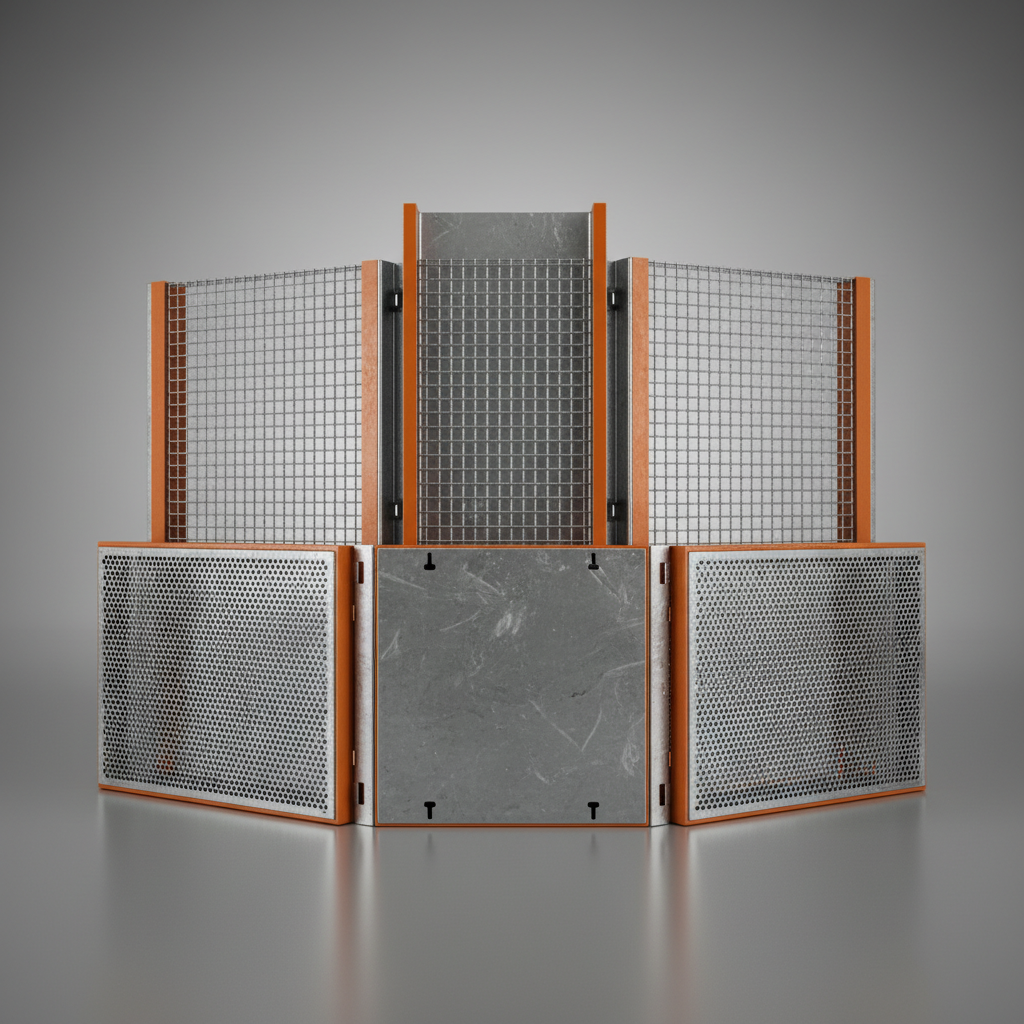
The Science Behind Acoustic Barriers
Acoustic barriers work on the principle of blocking sound wave transmission. Sound travels as waves, and these waves can be reflected, absorbed, or diffracted. A barrier effectively blocks the direct path of the sound waves, reducing their intensity on the other side. The effectiveness of a barrier depends on several factors, including its height, length, density, and material. Higher and longer barriers provide greater sound reduction. Denser materials are more effective at blocking sound. Furthermore, the placement of the barrier relative to the sound source and receiver is critical for optimal performance. ZT Wire Mesh utilizes these principles in designing and manufacturing effective acoustic barrier solutions.
Key Factors for Effectiveness: Height, length, density, material, and strategic placement are all essential in maximizing the performance of acoustic barriers.
Common Applications of Acoustic Barriers
Acoustic barriers find applications in a diverse range of settings. Along highways and railways, they significantly reduce noise pollution for nearby residential areas. Industrial facilities use them to contain noise from machinery and processes, protecting workers and surrounding communities. Construction sites employ barriers to minimize disruption to neighboring properties. In commercial buildings, they create quieter office spaces and improve acoustic privacy. Even in residential settings, acoustic barriers can be used to reduce noise from traffic or noisy neighbors. ZT Wire Mesh offers tailored solutions to address the specific noise control needs of each application.
Versatile Applications:
• Highways and Railways
• Industrial Facilities
• Construction Sites
• Commercial Buildings
• Residential Areas
Types of Acoustic Barriers: A Comparative Overview
Several types of acoustic barriers are available, each with its own advantages and disadvantages. Concrete barriers are durable and effective but can be visually intrusive. Wood barriers offer a more natural aesthetic but require more maintenance. Metal barriers, particularly those utilizing wire mesh like those offered by ZT Wire Mesh, provide a good balance of effectiveness, durability, and aesthetic appeal. Earth berms, while natural, require significant land space. The choice of barrier type depends on factors such as noise level, budget, aesthetic requirements, and site constraints.
ZT Wire Mesh: Providing Superior Acoustic Solutions
ZT Wire Mesh specializes in the design and manufacture of high-quality metal acoustic barriers. Our barriers utilize woven wire mesh, known for its excellent sound absorption properties and durability. We offer a range of mesh types, densities, and frame materials to meet diverse project requirements. Our barriers are designed for easy installation and long-lasting performance, offering a cost-effective and aesthetically pleasing solution to noise pollution. Explore our selection of acoustic barriers today and discover how we can help you create a quieter and more productive environment.

Benefits of Choosing ZT Wire Mesh Acoustic Barriers
Choosing ZT Wire Mesh acoustic barriers provides numerous benefits. Our products are designed for long-term durability, minimizing maintenance costs. The open mesh design allows for airflow, reducing wind loading and ensuring structural integrity. We offer customizable solutions tailored to your specific needs, including size, height, and color. Our barriers are also visually appealing, enhancing the aesthetic of the surrounding environment. Investing in ZT Wire Mesh acoustic barriers is a smart choice for anyone seeking a reliable, effective, and cost-effective noise control solution.
Conclusion: Invest in a Quieter Future with ZT Wire Mesh
Effective noise control is essential for creating healthier, more productive, and more enjoyable environments. ZT Wire Mesh provides superior acoustic barrier solutions designed to meet your specific needs. Contact us today to learn more about how we can help you reduce noise pollution and improve the quality of life for those around you.
Frequently Asked Questions (FAQs)
What materials are ZT Wire Mesh acoustic barriers made from?
Our acoustic barriers primarily utilize high-quality woven wire mesh, available in various materials such as galvanized steel, stainless steel, and powder-coated steel. The framing is typically constructed from steel or aluminum, chosen for its strength and corrosion resistance. We can customize the materials to suit specific environmental conditions and aesthetic preferences. The selection of materials ensures long-term durability and effective noise reduction. The wire mesh's density plays a key role in its sound absorption capabilities.
How high should an acoustic barrier be to be effective?
The optimal height of an acoustic barrier depends on several factors, including the distance between the noise source and the receiver, the frequency of the noise, and the desired level of noise reduction. Generally, a barrier should be tall enough to break the line of sight between the source and the receiver. As a rule of thumb, a barrier at least 1.5 to 2 meters high is often sufficient for many applications. However, for particularly loud or low-frequency noise, a higher barrier may be necessary. Our team at ZT Wire Mesh can help you determine the appropriate height for your specific needs.
What is the expected lifespan of a ZT Wire Mesh acoustic barrier?
With proper maintenance, a ZT Wire Mesh acoustic barrier can have a lifespan of 20 years or more. The durability of our materials, such as galvanized or stainless steel, provides excellent resistance to corrosion and weathering. Regular inspections and occasional cleaning can further extend its lifespan. We also offer powder-coated finishes for enhanced protection against the elements. The long lifespan of our barriers represents a significant return on investment.
Are ZT Wire Mesh acoustic barriers easy to install?
Yes, our acoustic barriers are designed for relatively easy installation. We provide detailed installation instructions and can offer on-site support if needed. The modular design of our barriers simplifies the assembly process. The required foundation preparation will vary depending on the barrier's height and local site conditions. We can also provide assistance with foundation design and construction.
-
Expanded metal sheets for sale: answers on mesh type, sizes and cutting
NewsNov.03,2026
-
Stainless Steel Expanded Metal Mesh FAQ: Dimensions, Coatings and Ordering Questions
NewsOct.28,2026
-
Choosing 2 mm Aluminum Plate Material Flattened Expanded Metal: Application Fit and Specification Checks
NewsOct.27,2026
-
V Mesh Wire: Choosing BBQ Crimped Wire Mesh by Opening Size, Wire Diameter and Application
NewsOct.27,2026
-
How to Buy Chain Link Fence: Opening Size, Wire Diameter and PVC Coating Explained
NewsOct.27,2026
-
Steel Grating Price Guide: How to Match Specification to Application Before You Buy
NewsOct.27,2026
Subscribe now!
Stay up to date with the latest on Fry Steeland industry news.