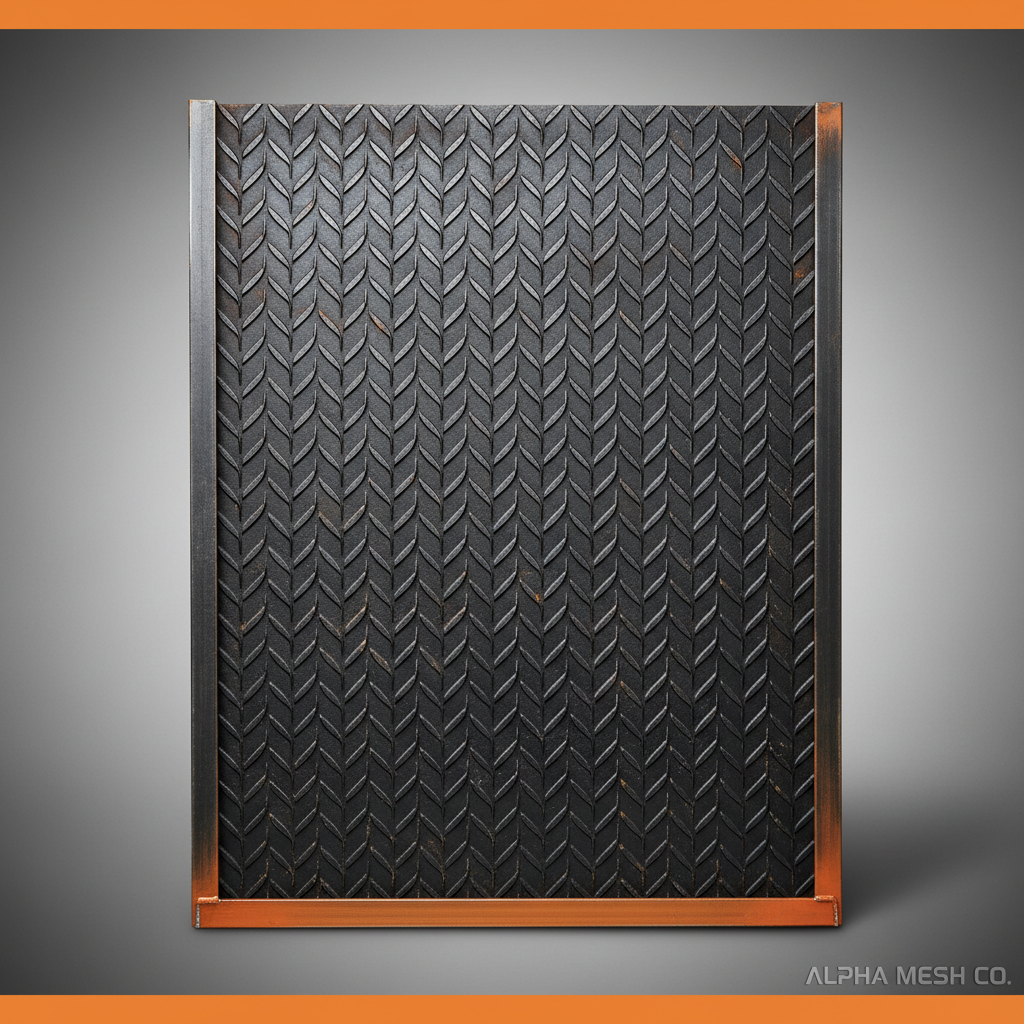
The global construction and security infrastructure market has seen a significant shift toward materials that combine longevity with high performance. In the realm of reinforced mesh and fencing solutions, the integration of high-grade alloys and protective coatings has become essential for maintaining structural integrity in harsh environments. Understanding the nuances of these materials is key to reducing long-term maintenance costs and improving safety standards.
Modern architectural requirements demand a balance between aesthetic appeal and industrial strength. Whether it is for high-security perimeters or specialized wall reinforcement, the industry is moving away from traditional carbon steel toward more resilient options. This evolution is driven by the need to combat corrosion and mechanical wear, ensuring that installations remain secure for decades without frequent intervention.
When selecting the right materials for specialized reinforcement, professionals often look for solutions like stainless steel stucco lath to ensure a rust-free foundation. By leveraging advanced welding techniques and PVC coating technologies, manufacturers can now provide security fences and mesh products that offer unparalleled weather resistance and structural stability.
Global Industry Context of Stainless Steel Stucco Lath
On a global scale, the demand for corrosion-resistant building materials has surged, particularly in coastal and industrial zones where salinity and chemicals accelerate metal decay. According to ISO standards for materials durability, the move toward stainless alloys and PVC-coated systems has significantly reduced the failure rate of external wall and fence structures.
The primary challenge addressed by these advanced materials is the "maintenance fatigue" associated with traditional iron or low-carbon steel. By implementing high-quality coatings and alloy bases, the industry provides a solution that eliminates the need for frequent repainting and prevents structural sagging, which is critical for both security and architectural aesthetics.
Defining the Role of Stainless Steel Stucco Lath
In simple terms, stainless steel stucco lath refers to a specialized metal mesh used as a base for plaster or stucco, designed specifically to prevent rust from bleeding through the finish. Unlike standard galvanized options, the stainless variant provides a superior chemical barrier, ensuring that the bond between the wall and the coating remains permanent and structurally sound.
Beyond simple wall application, this concept of high-strength, corrosion-resistant mesh extends to security infrastructure. The same principles of tensile strength and oxidative resistance are applied to 3D welded wire mesh fences, where low-carbon steel is often enhanced with hot-dip galvanization and PVC spraying to mimic the longevity of premium alloys.
This convergence of industrial strength and humanitarian need is evident in urban development projects where safety and durability are paramount. By utilizing materials that do not degrade over time, cities can build infrastructure that protects citizens while reducing the environmental impact of constant reconstruction and material waste.
Core Components of High-Performance Mesh
Durability is the cornerstone of any successful installation. For products like stainless steel stucco lath, the grade of the steel determines how well the material withstands environmental stressors. In the case of high-quality security fencing, the use of reinforced galvanized steel lining provides the necessary impact resistance and strength.
Cost efficiency is achieved not through the initial purchase price, but through the total life-cycle cost. A PVC-coated 3D welded wire mesh, for example, can last over 25 to 30 years without needing paint, making it a far more economical choice than cheaper alternatives that require maintenance every few years.
Scalability and versatility are also key factors. With a wide variety of specifications—including fence heights of 4ft to 8ft and various hole sizes like 50x100mm—modern mesh solutions can be tailored to fit any architectural style, from European elegance to American industrial functionality.
Global Applications and Use Cases
In real-world contexts, these high-performance mesh systems are deployed in diverse environments. In remote industrial zones, PVC-coated security fences are used to protect critical assets from extreme weather, utilizing UV absorbents to prevent yellowing or cracking under intense sunlight.
Furthermore, in urban community sound barriers and airport fences, the combination of strength and beauty is essential. The use of specialized coatings ensures that the structures are harmless to humans and animals, avoiding the sharp, degrading edges often found in untreated iron guardrails.
Performance Comparison of Mesh Reinforcement Methods
Long-Term Value and Sustainability
The long-term value of investing in premium materials like stainless steel stucco lath lies in the reduction of environmental waste. By choosing a product with a service life exceeding 30 years, owners significantly decrease the frequency of replacement, which reduces the carbon footprint associated with steel production and transport.
Beyond the logical financial benefits, there is an emotional angle of trust and safety. Knowing that a perimeter fence or a wall reinforcement is built to withstand the elements without peeling or foaming provides peace of mind to property managers and homeowners alike.
Future Trends in Reinforcement Materials
The industry is rapidly moving toward "Green Infrastructure," where the materials used in security and reinforcement are fully recyclable. Future iterations of welded mesh will likely incorporate bio-based PVC coatings that offer the same UV protection and durability but with a lower environmental impact.
Digital transformation is also playing a role, with the introduction of precision laser welding and automated quality control. This ensures that every intersection in a 3D welded wire mesh is perfectly aligned, increasing the overall tensile strength and reducing the likelihood of structural failure.
Additionally, the integration of "smart" materials that can signal structural stress or corrosion through color-changing indicators is on the horizon. This will allow for predictive maintenance, ensuring that repairs are made before a complete failure occurs.
Challenges and Professional Solutions
One of the most common limitations in current practice is the high initial cost of premium alloys compared to standard steel. However, expert insight suggests that this is a misconception when viewed through the lens of "Overall Cost of Ownership." A higher upfront investment eliminates the recurring expenses of painting and rust treatment.
Another challenge is the installation efficiency of large-scale projects. To overcome this, manufacturers have developed patented friction connections and proprietary accessories that greatly improve installation speed, making high-end mesh systems feasible for massive industrial sites.
Finally, ensuring the correct specification for the specific environment is crucial. Whether it is choosing between rectangular and diamond mesh or selecting the appropriate wire diameter (3-5mm), professional consultation is required to ensure the product meets both security and aesthetic needs.
Comparative Analysis of Reinforcement Material Specifications
| Material Type |
Service Life (Years) |
Maintenance Level |
Corrosion Resistance |
| Stainless Steel Lath |
50+ |
None |
Excellent |
| PVC Coated 3D Mesh |
25-30 |
Very Low |
High |
| Hot Dip Galvanized |
15-20 |
Moderate |
Medium |
| Plastic Spraying |
10-15 |
Moderate |
Medium |
| Aluminum Alloy Mesh |
30-40 |
Low |
High |
| Standard Carbon Steel |
5-10 |
High |
Low |
FAQS
Stainless steel options provide far superior corrosion resistance, especially in humid or coastal environments. While galvanized steel is coated in zinc, it can eventually rust through, leading to "bleeding" stains on the stucco finish. Stainless steel eliminates this risk entirely, ensuring the architectural integrity of the wall for decades.
A high-quality PVC coated 3D welded wire mesh fence is designed for extreme longevity. With the use of specialized UV absorbents and a reinforced galvanized core, these fences can reach a service life of 25 to 30 years without needing repainting or significant maintenance.
No, modern installation has been simplified through the use of patented friction connections and proprietary accessories. These systems allow for rapid deployment, greatly improving installation efficiency compared to traditional welded fences that require extensive manual welding or bolting on site.
Yes, most industrial suppliers offer wide customization options. Typical heights include 4ft, 6ft, and 8ft, and lengths range from 8ft to 10ft. Hole sizes such as 50x100mm or 75x100mm are common, but custom specifications can be manufactured to meet specific security or design requirements.
Yes, the PVC coating provides a smooth, harmless surface. Unlike raw steel or iron guardrails, which can have sharp edges or rust flakes that cause injury upon contact, PVC-coated solutions are designed to be safety-conscious and environmentally friendly.
For maximum resistance, a combination of hot-dip galvanization and PVC dipping or spraying is recommended. This "dual-layer" protection ensures that the inner steel core is protected from oxidation while the outer PVC layer shields the structure from UV rays, moisture, and chemical pollutants.
Conclusion
In summary, the transition toward high-performance materials like stainless steel stucco lath and PVC-coated welded mesh represents a critical advancement in construction and security. By prioritizing durability, corrosion resistance, and low maintenance, these solutions offer significant long-term value, reducing both the environmental impact and the overall cost of ownership for infrastructure projects.
Looking forward, the integration of sustainable coatings and automated manufacturing will further enhance the reliability of these products. For those seeking to build secure, beautiful, and long-lasting perimeters or reinforced structures, investing in premium, certified mesh products is the most strategic path toward future-proofing your assets. Visit our website for more information: www.ztwiremesh.com