

Understanding and Mitigating Noise Pollution with a Sound Barrier
In today’s increasingly noisy world, effective sound barriers are essential for protecting communities, workplaces, and the environment. From highway noise to industrial clamor, excessive sound pollution can have detrimental effects on health and quality of life. This article explores the principles of sound mitigation, the types of sound barriers available, their applications, and the benefits of investing in high-quality noise control solutions from ZT Wire Mesh. We’ll delve into how these barriers work, the materials used, and what to consider when selecting the right barrier for your specific needs.
How Sound Barriers Work: The Science of Noise Reduction
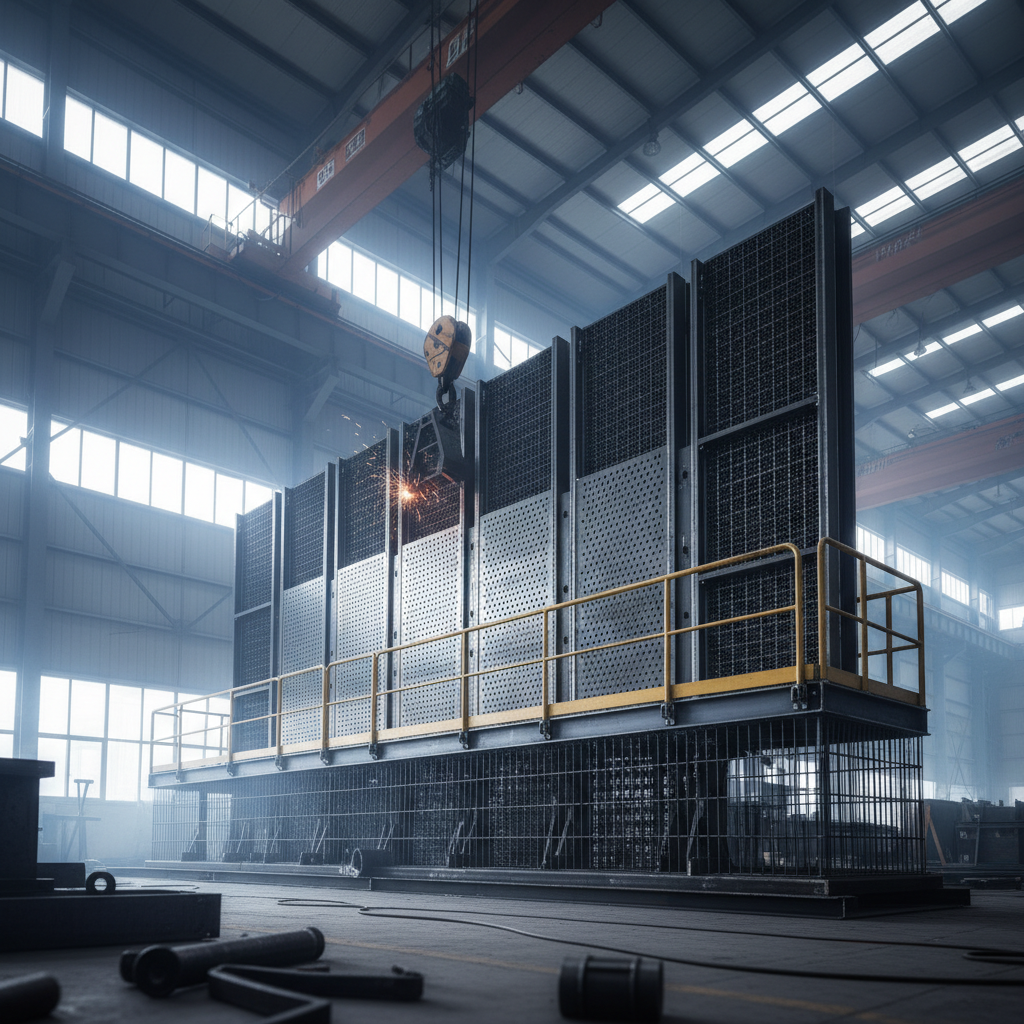
Sound travels in waves, and a sound barrier works by interrupting these waves. This can be achieved through several methods: absorption, reflection, and deflection. ZT Wire Mesh sound barriers are expertly engineered to combine these methods, maximizing noise reduction. Absorption materials convert sound energy into heat, reducing its intensity. Reflection bounces sound waves back towards the source. Deflection redirects sound waves around the barrier. The height and density of the barrier also play significant roles. Higher and denser barriers provide greater noise reduction, particularly for lower frequency sounds, which are harder to block. The material composition is also critical; a properly selected material will optimize performance for the specific noise frequency range.
Key Takeaway: Effective sound barriers don't eliminate noise completely, but significantly reduce its intensity, creating a more peaceful and healthy environment.
Types of Sound Barriers: Materials and Construction
A variety of materials are used in constructing sound barriers, each with its own advantages and disadvantages. Common materials include concrete, wood, earth berms, and specialized noise control fabrics like those used in ZT Wire Mesh barriers. Concrete barriers are durable and effective but can be visually unappealing. Wood offers a more natural aesthetic but requires regular maintenance. Earth berms are environmentally friendly but require significant land space. ZT Wire Mesh utilizes high-quality metal mesh and acoustic fabrics, offering a balance of effectiveness, durability, and aesthetics. The choice of material depends on factors like budget, environmental considerations, and the specific noise reduction requirements.
Material Comparison:
• Concrete: High noise reduction, durable, costly, visually unappealing.
• Wood: Moderate noise reduction, aesthetically pleasing, requires maintenance.
• Earth Berms: Environmentally friendly, land intensive, moderate noise reduction.
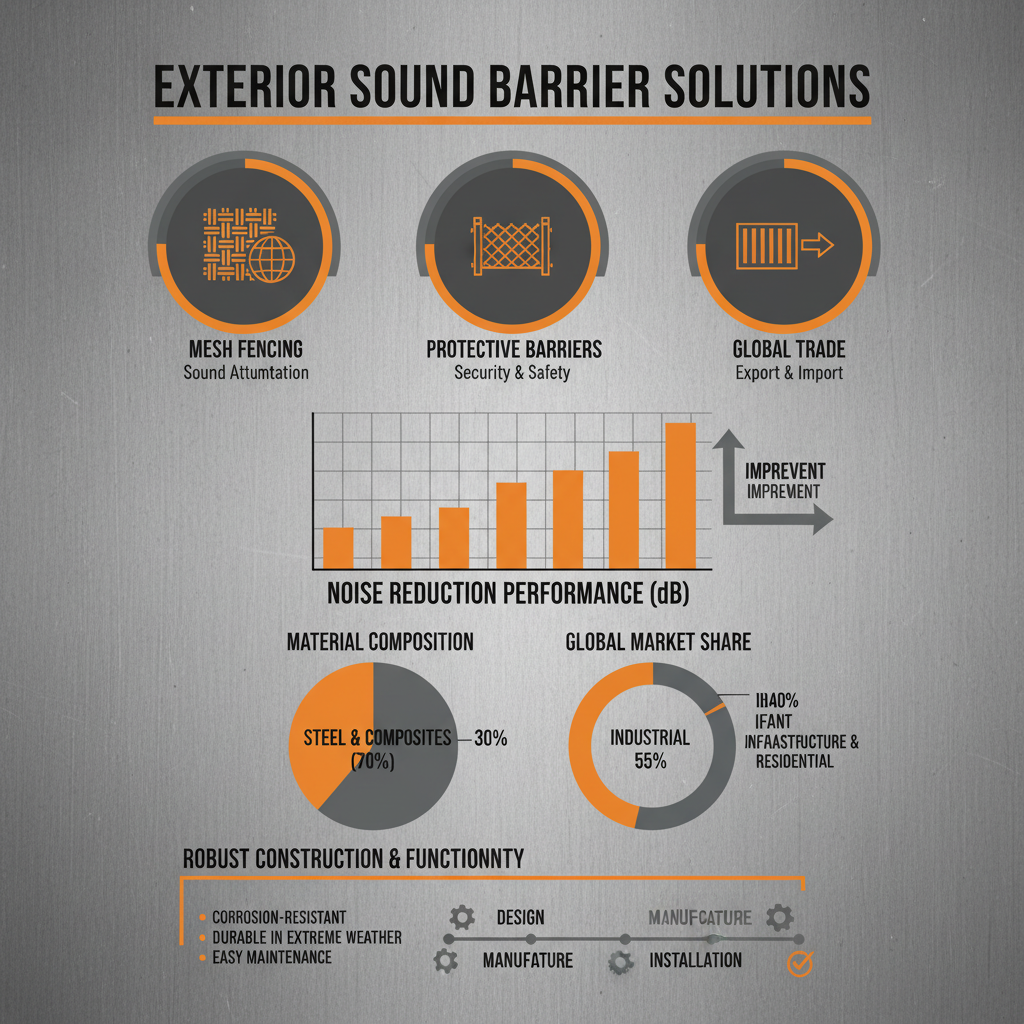
• ZT Wire Mesh: Excellent noise reduction, durable, aesthetically customizable, long-lasting.
Applications of Sound Barriers: From Highways to Industry
The applications of sound barriers are diverse. They are commonly used along highways to mitigate traffic noise for nearby residents. Industrial facilities utilize sound barriers to protect workers from excessive noise levels and to comply with environmental regulations. Construction sites also benefit from noise control measures, minimizing disturbance to surrounding communities. Other applications include airports, railway lines, and even residential areas where privacy and noise reduction are desired. ZT Wire Mesh offers customized solutions for a wide range of applications, ensuring optimal noise control performance.
The Benefits of Investing in a Quality Sound Barrier
Investing in a high-quality sound barrier offers numerous benefits. Beyond the obvious reduction in noise pollution, effective barriers contribute to improved health and well-being, increased property values, and enhanced community relations. In industrial settings, noise control can boost worker productivity and reduce the risk of noise-induced hearing loss. ZT Wire Mesh barriers are designed for longevity and minimal maintenance, providing a cost-effective solution in the long run. By prioritizing noise control, you demonstrate a commitment to environmental responsibility and the quality of life for those around you.
Conclusion: Creating a Quieter, Healthier Environment
Invest in a Quieter Future with ZT Wire Mesh
Effective noise control is crucial for creating a more peaceful and healthy environment. ZT Wire Mesh offers innovative, durable, and customizable sound barrier solutions to meet your specific needs. Contact us today to learn how we can help you mitigate noise pollution and improve the quality of life in your community or workplace.
Frequently Asked Questions (FAQs)
What is the typical lifespan of a ZT Wire Mesh sound barrier?
ZT Wire Mesh sound barriers are constructed from high-quality, corrosion-resistant materials, resulting in a lifespan of 20-30 years with minimal maintenance. The exact lifespan will depend on environmental factors, such as exposure to harsh weather conditions or corrosive substances. Regular inspections are recommended to identify any potential issues and ensure continued performance. Our barriers are designed to withstand the test of time, providing a long-term noise control solution.
How effective are ZT Wire Mesh barriers at reducing low-frequency noise?
Low-frequency noise is more challenging to block than high-frequency noise due to its longer wavelengths. ZT Wire Mesh barriers are engineered with a combination of mass and damping materials to effectively reduce low-frequency noise. The density of the mesh and the acoustic fabric used in our barriers provide significant noise reduction across a broad frequency range. Proper barrier height and length are also crucial for mitigating low-frequency sounds. We can tailor a solution to your specific noise frequency challenges.
Can ZT Wire Mesh barriers be customized to match existing aesthetics?
Yes, ZT Wire Mesh offers a wide range of customization options to seamlessly integrate our barriers into your existing environment. We can customize the color, height, and length of the barriers to match your specific requirements. Additionally, we offer various mesh patterns and fabric options to enhance the aesthetic appeal. Our team works closely with clients to ensure that the final product meets their aesthetic and functional needs.
What is the installation process for a ZT Wire Mesh sound barrier?
The installation process for a ZT Wire Mesh sound barrier depends on the specific application and site conditions. Our team provides detailed installation instructions and can also offer professional installation services. Generally, the process involves securely anchoring the barrier posts to the ground or existing structures, followed by attaching the mesh panels and acoustic fabric. We ensure that the installation is performed to the highest standards, maximizing the barrier's effectiveness and durability.
-
Ultimate Guide to Choosing the Right Sound Proof Barrier
NewsApr.16,2026
-
Effective Guide to Installing a Sound Deadening Fence for Peace
NewsApr.09,2026
-
Comprehensive Guide to Portable Sound Barrier Solutions for Noise Control
NewsApr.07,2026
-
Effective Outdoor Acoustic Barriers for Noise Reduction and Enhanced Wellbeing
NewsApr.04,2026
-
Effective Noise Cancelling Fence Solutions for Peaceful Living
NewsMar.31,2026
-
Enhancing Workplace Productivity with Effective Cubicle Sound Barriers
NewsMar.28,2026
Subscribe now!
Stay up to date with the latest on Fry Steeland industry news.