

Understanding & Choosing the Right Exterior Sound Barrier
Noise pollution is a growing concern in urban and industrial areas. An exterior sound barrier effectively mitigates unwanted noise, creating a more peaceful and productive environment. This article provides a comprehensive overview of exterior sound barriers, exploring their types, benefits, installation, and factors to consider when choosing the right solution for your needs. We'll also delve into the importance of selecting a reputable supplier like ZT Wire Mesh to ensure quality and performance.
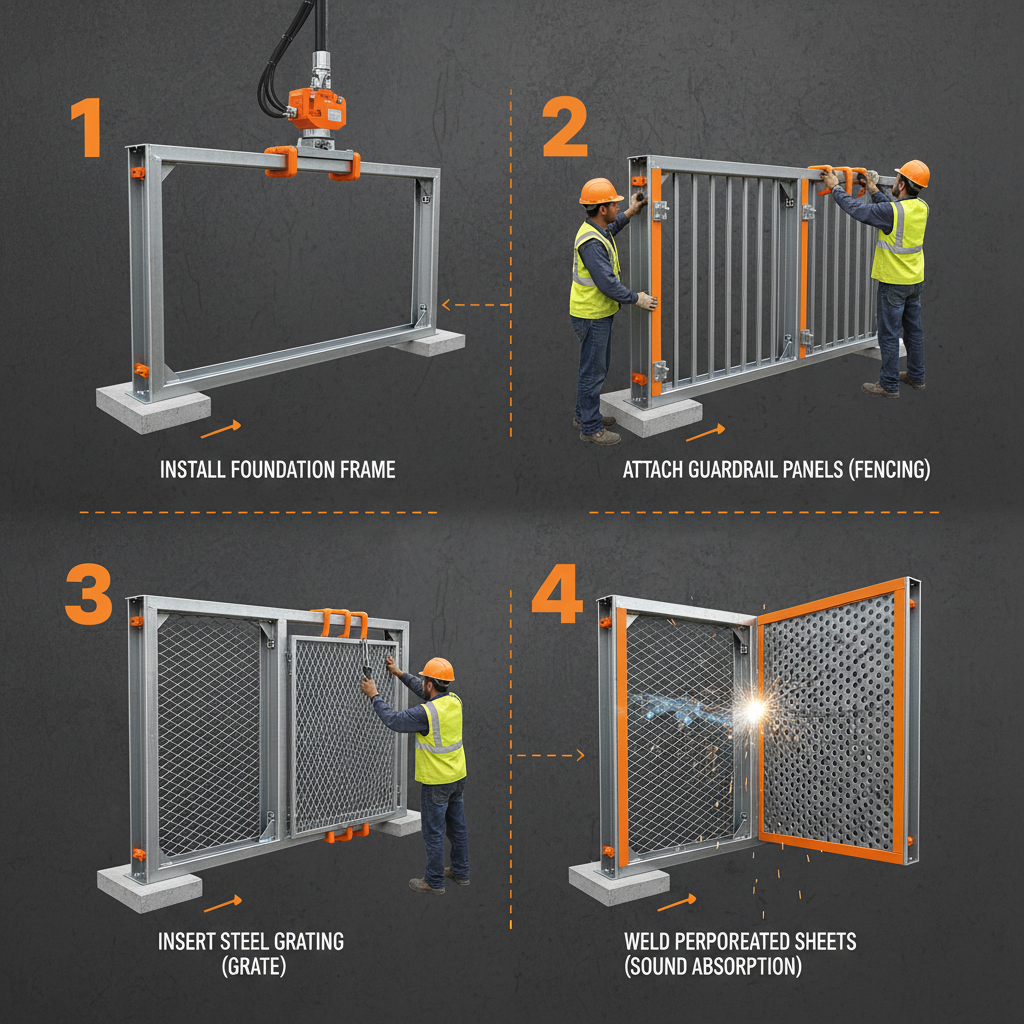
What is an Exterior Sound Barrier?
An exterior sound barrier is a structure designed to reduce the transmission of noise from a source to a receiving area. These barriers work by blocking sound waves, reflecting them back to the source, or absorbing them. They are commonly used along highways, railways, industrial sites, and residential areas to minimize noise pollution. Effective sound barriers are built with dense materials that impede sound wave travel, and their height and length are crucial factors in their effectiveness. Choosing the right material and design is essential for optimal noise reduction.
Key Benefits: Reduces noise pollution, improves quality of life, enhances property values, and creates a more peaceful environment for residents and workers.
Types of Exterior Sound Barriers
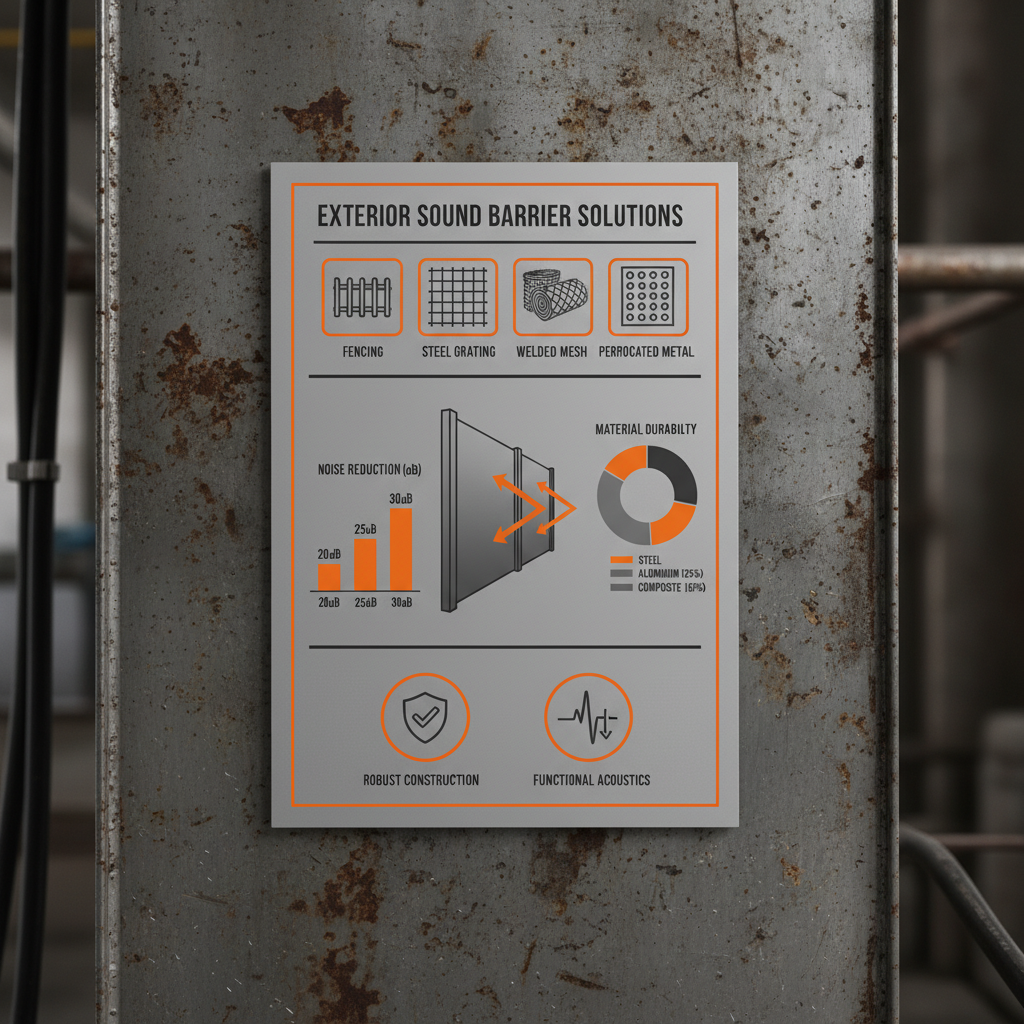
Several types of exterior sound barriers are available, each with its own advantages and disadvantages. Common materials include concrete, wood, steel, and composite materials. ZT Wire Mesh specializes in wire mesh sound barriers, offering a cost-effective and aesthetically pleasing solution. The optimal choice depends on factors such as noise levels, budget, aesthetic requirements, and site conditions. Here’s a comparison:
Factors to Consider When Choosing an Exterior Sound Barrier
Selecting the right exterior sound barrier involves considering several key factors. Noise frequency and intensity are critical; higher frequencies are easier to block than lower frequencies. The distance between the noise source and the receiving area also influences the required barrier height and length. Site conditions, such as wind exposure and ground stability, are important for structural integrity. Local regulations and aesthetic preferences should also be taken into account. A professional assessment can help determine the most effective and cost-efficient solution.
The Benefits of Wire Mesh Sound Barriers from ZT Wire Mesh
Wire mesh sound barriers offer a compelling combination of benefits. They are lightweight, cost-effective, and offer excellent noise reduction performance. ZT Wire Mesh provides high-quality welded wire mesh panels specifically designed for sound attenuation. These barriers are durable, weather-resistant, and can be customized to meet specific project requirements. They also offer a modern aesthetic that can blend seamlessly with various environments.
Installation and Maintenance of Exterior Sound Barriers
Proper installation is crucial for the effectiveness of any exterior sound barrier. The barrier should be securely anchored to a stable foundation and extend sufficiently above the line of sight between the noise source and the receiver. Regular inspections are essential to identify and address any damage or deterioration. Maintenance may include cleaning, repairing damaged sections, and ensuring the structural integrity of the barrier. ZT Wire Mesh can provide guidance on installation best practices and maintenance recommendations.
Conclusion: Investing in a Quieter Future
Investing in an exterior sound barrier is a proactive step towards creating a more peaceful and healthy environment. By carefully considering your needs and choosing a reputable supplier like ZT Wire Mesh, you can effectively mitigate noise pollution and improve the quality of life for those affected. Don’t let noise control be an afterthought; make it a priority.
Frequently Asked Questions (FAQs)
How high does a sound barrier need to be to be effective?
The required height of a sound barrier depends on several factors, including the distance between the noise source and the receiver, the frequency of the noise, and the surrounding topography. As a general rule, the barrier should be high enough to break the direct line of sight between the source and the receiver. However, even barriers that don’t completely block the line of sight can provide significant noise reduction. A professional noise assessment can determine the optimal height for your specific situation. Generally, higher barriers are more effective, but also more costly.
What is the typical lifespan of a wire mesh sound barrier?
A properly installed and maintained wire mesh sound barrier from ZT Wire Mesh can have a lifespan of 20 years or more. The galvanized or powder-coated finish provides excellent corrosion resistance. However, regular inspections are crucial to identify and address any damage caused by weather, vandalism, or impact. Replacing damaged panels promptly will extend the overall lifespan of the barrier.
Are there any permitting requirements for installing a sound barrier?
Yes, depending on your location and the height of the barrier, you may need to obtain permits from local authorities before installing an exterior sound barrier. Regulations vary widely, so it’s important to check with your local planning department or building code office. Factors such as zoning laws, height restrictions, and aesthetic requirements may apply. ZT Wire Mesh can often provide guidance on local permitting requirements.
How does the material of the sound barrier affect its performance?
The material’s density and mass are key factors in sound barrier performance. Denser materials, like concrete, are more effective at blocking sound waves. Wire mesh barriers, while lighter, can achieve significant noise reduction by utilizing a tight weave and incorporating sound-absorbing materials. The material also impacts the barrier's durability, maintenance requirements, and aesthetic appeal. Choosing a material suited to your environment and budget is crucial.
-
Ultimate Guide to Choosing the Right Sound Proof Barrier
NewsApr.16,2026
-
Effective Guide to Installing a Sound Deadening Fence for Peace
NewsApr.09,2026
-
Comprehensive Guide to Portable Sound Barrier Solutions for Noise Control
NewsApr.07,2026
-
Effective Outdoor Acoustic Barriers for Noise Reduction and Enhanced Wellbeing
NewsApr.04,2026
-
Effective Noise Cancelling Fence Solutions for Peaceful Living
NewsMar.31,2026
-
Enhancing Workplace Productivity with Effective Cubicle Sound Barriers
NewsMar.28,2026
Subscribe now!
Stay up to date with the latest on Fry Steeland industry news.